


Strategic Importance of the Seven Islands in the Strait of Hormuz
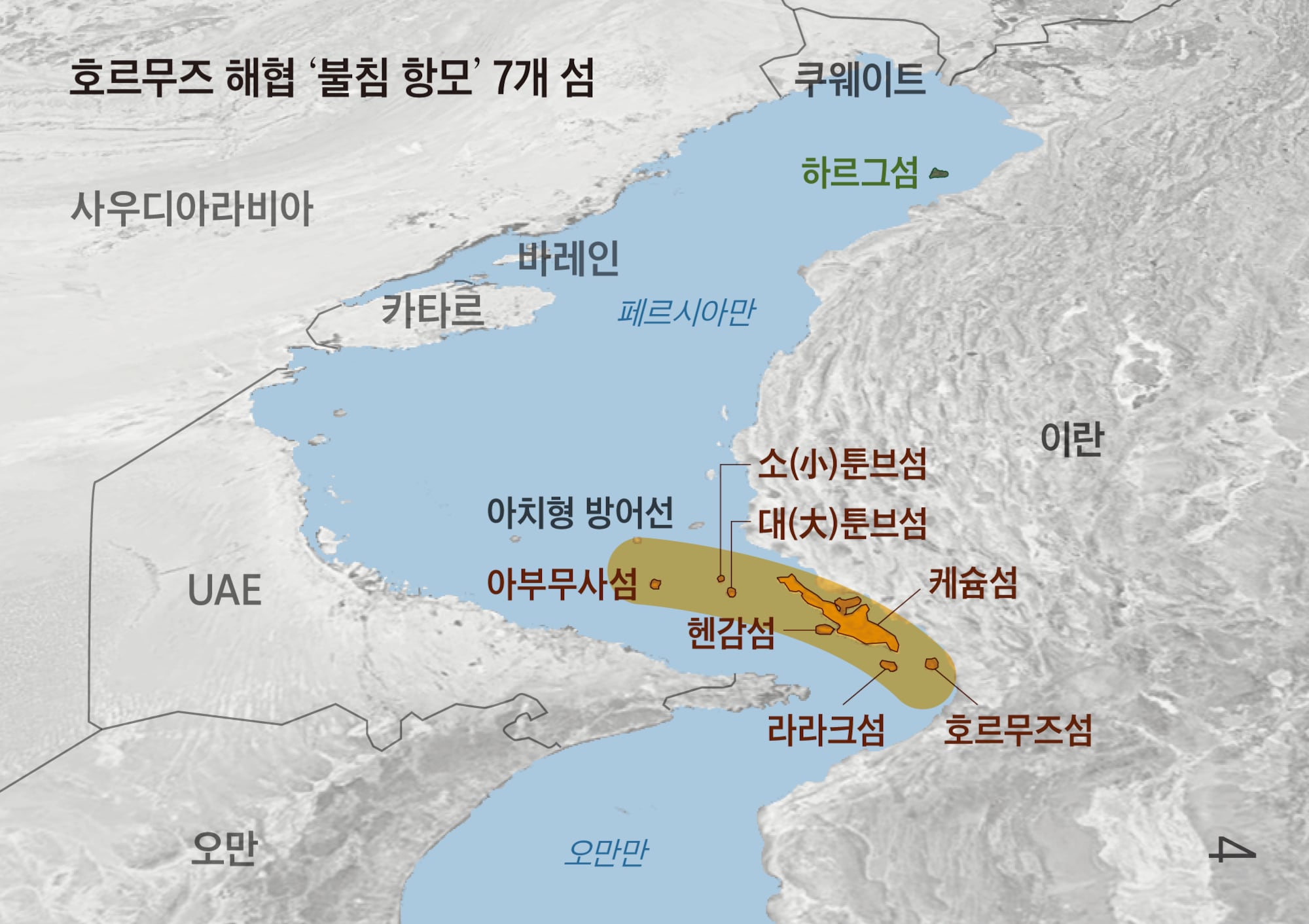
The potential deployment of U.S. ground forces in Iran has sparked discussions about the strategic significance of seven key islands located in the Strait of Hormuz. These islands are considered critical targets for any military operation aimed at securing the passage through this vital waterway. While initial speculation suggested that Kharg Island, a major hub for Iran’s crude oil exports, might be a primary target, its location deep in the Persian Gulf—over 600 kilometers away from the Strait—has led to a shift in focus toward the seven islands situated at the entrance to the Persian Gulf.
These islands, often referred to as “unsinkable aircraft carriers,” form a crucial defense line for Iran and are positioned strategically to control access to the Strait of Hormuz. Among them are Hormuz, Larak, Qeshm, and Henjam, which are close to the Iranian mainland. Beyond these lie Abu Musa, Greater Tunb, and Lesser Tunb, which have been the subject of long-standing sovereignty disputes between Iran and the United Arab Emirates (UAE). The coordinated presence of these islands is seen as a significant deterrent against foreign military incursions.
Military Implications of Seizing the Islands
For warships and large oil tankers navigating the narrow and shallow waters of the Strait of Hormuz, the proximity to these islands is essential. Securing them would allow the U.S. to ensure the free flow of maritime traffic, which is vital for global energy markets. It is speculated that approximately 5,000 Marines, deployed from Okinawa, Japan, and California, could be tasked with capturing these islands. However, the landing process would pose significant risks, including potential casualties from Iranian missiles and attack-speedboats.
Despite the capabilities of U.S. aircraft and helicopters for vertical takeoff and landing, their slow speed would make them vulnerable to Iranian air defenses. Even after capturing the islands, additional threats could emerge from drones and artillery attacks launched from the Iranian mainland. The strategic importance of these islands extends beyond military considerations, as they also carry diplomatic implications, particularly regarding the sovereignty of Abu Musa and the Greater and Lesser Tunb islands.
Diplomatic Dilemmas and Sovereignty Disputes
Abu Musa and the Greater and Lesser Tunb islands were seized by Iran’s Pahlavi dynasty during the UAE’s independence from British rule in the 1970s. The UAE has since sought the United Nations’ intervention to resolve the sovereignty dispute. If U.S. forces were to seize these islands, they would face a complex diplomatic dilemma: whether to return them to the UAE or Iran following the conflict. This issue highlights the broader geopolitical tensions surrounding the region and the potential for further complications in post-conflict negotiations.
Additionally, the possibility of the U.S. occupying Kharg Island, through which 90% of Iran’s oil exports pass, is being discussed. During an interview with the Financial Times, former President Donald Trump stated, “We have many options,” suggesting that capturing Kharg Island could be a viable strategy. However, such an operation is considered risky due to the potential for increased U.S. casualties and the prolongation of the conflict. Recent U.S. strikes on the island’s military facilities have prompted Iran to reinforce its coastal defenses and mine-laying activities, further complicating any potential offensive.
Challenges of a Full-Scale Ground War
While the U.S. has a significant military presence in the Middle East, including approximately 40,000 troops stationed in Saudi Arabia, the UAE, Kuwait, and Qatar, experts argue that this number is insufficient for large-scale ground operations. Iran, with a population of around 93 million and a territory one-third the size of the U.S. mainland, presents a formidable challenge for any occupation. The highlands and deserts that cover much of Iran’s landscape act as natural barriers, making large-scale military operations difficult.
In comparison, the U.S.-led coalition in the 2003 Iraq War deployed around 250,000 troops, while Israel mobilized over 300,000 for its operations in the Gaza Strip in 2023. Iranian Parliament Speaker Mohammad Bagher Ghalibaf has declared that “our soldiers are waiting for the U.S. forces to arrive on the ground and are prepared to burn their lives.” This statement underscores the potential for intense resistance from Iranian forces if a full-scale ground war were to occur.











Discussion about this post