


Leadership Changes in the Australian Defence Force
Prime Minister Anthony Albanese has announced a major reshuffle at the top of the Australian Defence Force (ADF), with significant appointments and promotions across the three services. The changes mark a new chapter for the ADF, with Vice Admiral Mark Hammond set to become the nation’s next Chief of the Defence Force.
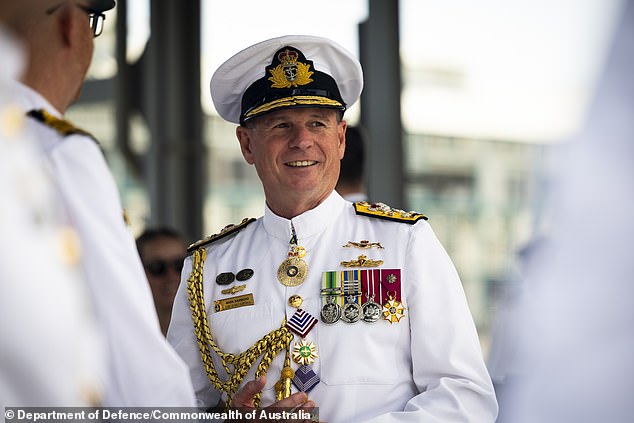
Vice Admiral Hammond will assume his new role in July, succeeding Admiral David Johnston, who is retiring after nearly 50 years of service. Hammond, currently serving as Chief of Navy, brings over four decades of naval experience to the position. His career has included service on surface ships, submarines, and senior fleet commands. Since being appointed Chief of Navy in 2022, he has played a key role in shaping Australia’s future maritime force, including the development of the AUKUS plan to acquire conventionally armed, nuclear-powered submarines.
A Historic Appointment for the Army
In another landmark move, Lieutenant General Susan Coyle is set to become the first woman ever to lead Australia’s land forces. She will take over as Chief of Army, replacing Lieutenant General Simon Stuart, who is also retiring in July. Coyle’s appointment marks a historic moment for the ADF, as she will be the first female commander of the Australian Army in its 124-year history.
Coyle enlisted in the Army Reserve in 1987 and has since risen through the ranks to command at every level of warfighting, from Afghanistan to the Middle East. Her previous roles include Commander Forces Command, Head of Information Warfare, and Chief of Joint Capabilities. She has been praised for her leadership and strategic vision, and her appointment is seen as a significant step forward for gender diversity within the military.
Lieutenant General Stuart, who was the first Chief of Army to begin his career as an enlisted soldier, has been recognized for his efforts in preparing the service for major structural and cultural reforms under the National Defence Strategy. His tenure has laid the groundwork for continued modernization and transformation of the Army.
New Leadership for the Navy
The Navy will also see a change in leadership, with Rear Admiral Matthew Buckley promoted to Chief of Navy. Buckley, a submariner by background, previously commanded HMAS Collins and the Submarine Force. He served as Head of Nuclear Submarine Capability before becoming Deputy Chief of Navy in 2025. His experience is expected to be crucial as the Navy navigates the AUKUS era and a broader surface fleet expansion.

Key Civilian Appointments
Greg Moriarty, the Secretary of the Department of Defence, will conclude his tenure on April 19, before taking up the role of Australia’s Ambassador to the United States, replacing Kevin Rudd. A new secretary will be confirmed at a later date.
Comments on International Affairs
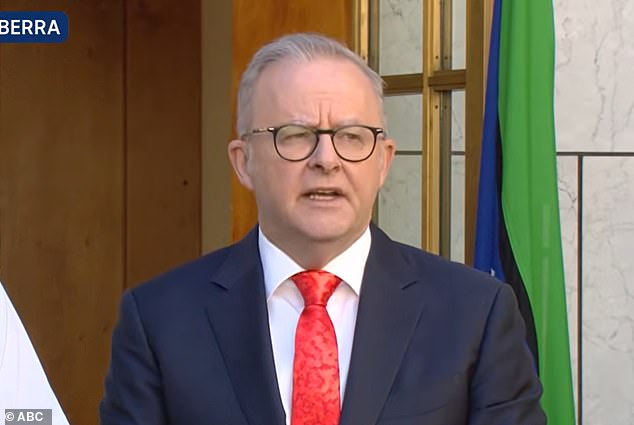
During a press conference, Prime Minister Albanese was asked about Australia’s stance on a potential US blockade of the Strait of Hormuz, announced by President Donald Trump. However, he declined to comment directly, stating that Australia has not been asked to participate and that he does not expect such a request.
Albanese emphasized the importance of negotiations resuming and the need for the Strait of Hormuz to remain open for all. He reiterated Australia’s commitment to freedom of navigation as required by international law.










Discussion about this post