


The Lazy Gardener’s Guide to a Bursting Backyard: Effortless Plants for Year-Round Colour
While show-stopping blooms like roses, orchids, and lilies certainly command attention and bring seasonal delight, there’s a special kind of magic in plants that work quietly in the background, providing your garden with consistent appeal and vibrant colour without demanding much in return. These are the low-maintenance champions, the unsung heroes that make gardening a joy, even for those with the busiest schedules or a preference for a more relaxed approach. They add those crucial pops of colour and texture, often at a fraction of the cost and effort of their more flamboyant counterparts.
From lush groundcovers that weave a tapestry across your garden beds to vertical wonders that transform bare walls, and the delightful surprises of self-seeders, there’s a low-effort plant to suit every corner and every gardener.
The Magic of Self-Seeders: Nature’s Free Gardening Service
For the gardener who dreams of a perpetually blooming paradise with minimal fuss, self-seeders are an absolute revelation. These plants take the hard work out of replenishing your garden, scattering their seeds to create new life year after year, completely free of charge. Imagine trees like the Ivory Curl (Buckinghamia celcissima) gracefully emerging through paving, or the delightful surprise of annuals reappearing in unexpected spots.
The true stars of the self-seeding world are often annuals. Once they’ve finished their blooming cycle and been visited by pollinators, they dutifully drop seeds. These seeds then germinate in situ or find new homes around your garden where conditions are just right, promising a fresh display without you lifting a finger. It’s the ultimate low-effort gardening solution.
Tips for Encouraging Self-Seeders:
- Resist the Urge to Deadhead Everything: While tempting, allowing some spent flowers to go to seed is crucial for propagation.
- Mulch Wisely: A thick layer of mulch can prevent seeds from reaching the soil and germinating. Opt for a lighter application or clear areas where you’d like new plants to emerge.
Here are some fantastic self-seeding annuals to consider:
Cosmos (C. bipinnatus)
 ADVERTISEMENT
These tall, airy plants produce beautiful single or double blooms on stems that can reach up to 1 metre. They create a wonderfully informal, meadow-like atmosphere in the garden.
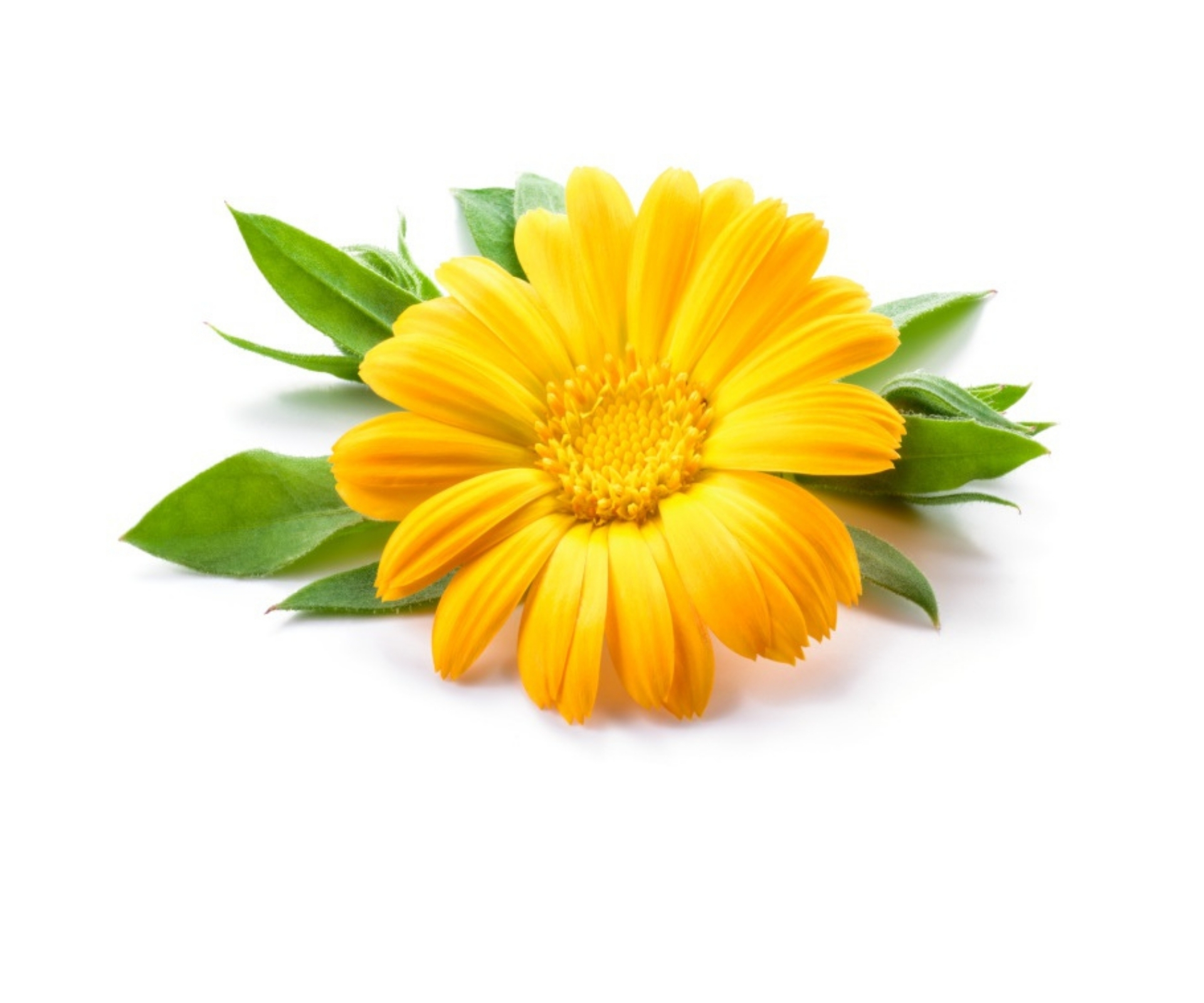
Calendula (C. officinalis)

Also known as pot marigold, calendula offers a cheerful burst of bright yellow and orange flowers that bloom prolifically from spring through to autumn. Regular deadheading will encourage even more blooms.Nigella (N. damascena)
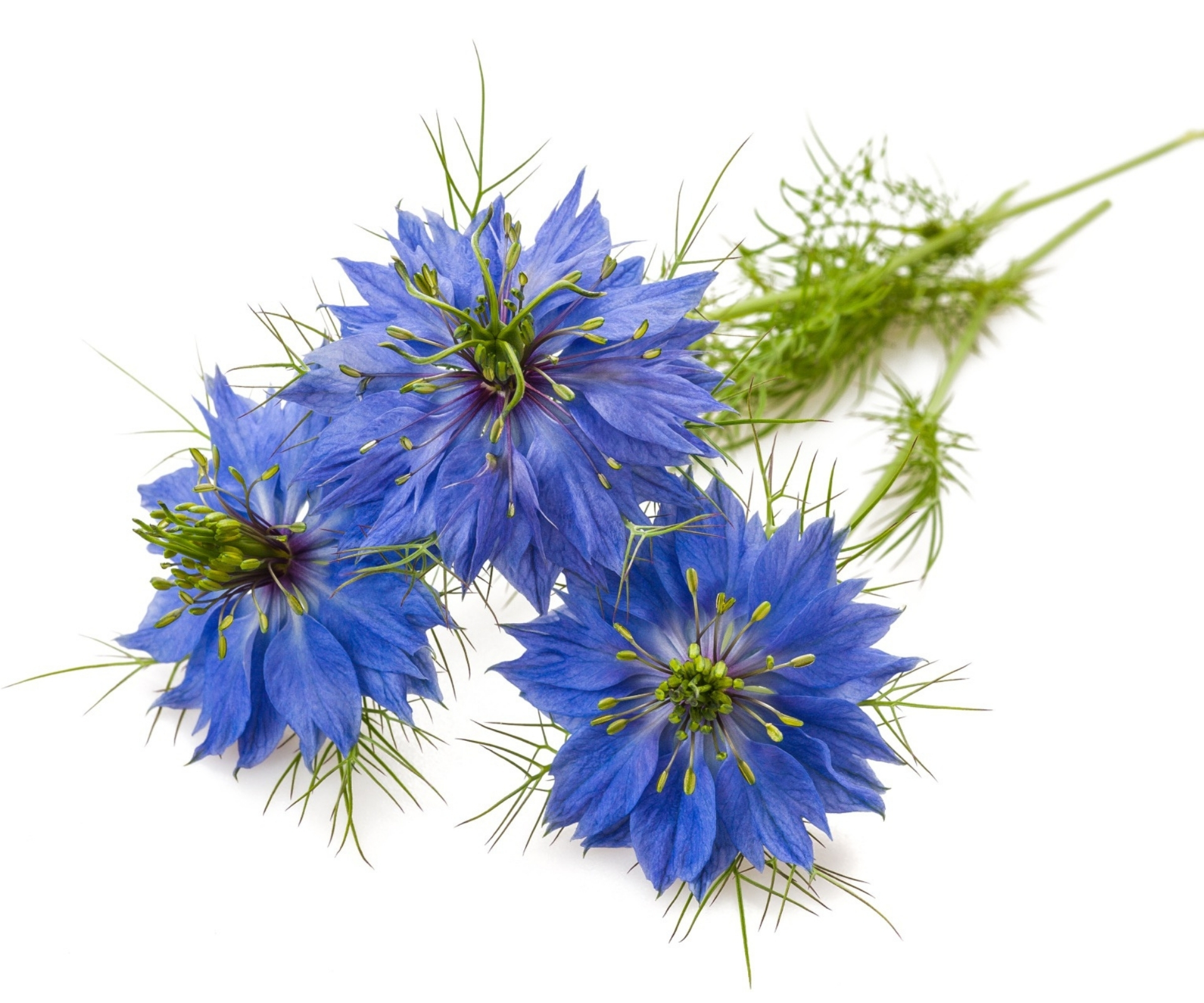
With its delicate, ethereal flowers and finely cut, feathery foliage, nigella adds a touch of understated elegance. Growing to about 50cm, its blooms are a lovely sight.Flanders Poppy (Papaver rhoeas)
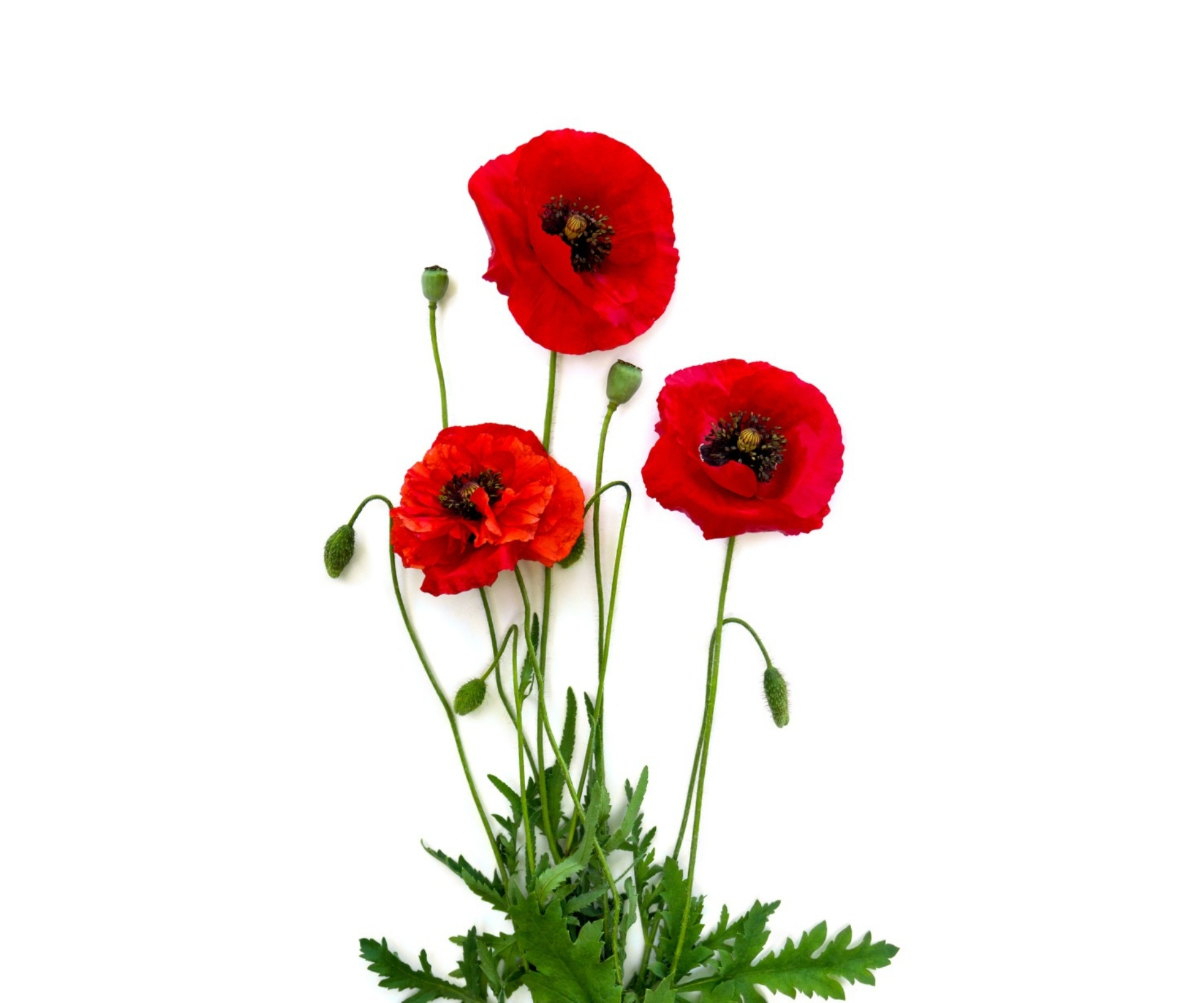
Historically known as the corn poppy for its wild presence in fields, this iconic flower, with its vibrant red petals and dark centres, is now a poignant symbol of remembrance.

Groundcovers: The Unsung Heroes of Soil Health and Beauty
Groundcovers are the ultimate workhorses of the garden. Whether they hug the earth or grow to ankle-height, they perform a multitude of vital roles. They play a significant part in soil stabilisation, preventing erosion, especially on slopes, and are incredibly effective at suppressing weeds, saving you precious time and effort. Beyond their practical benefits, they also contribute to a healthier garden ecosystem by keeping the soil cooler in summer and warmer in winter, and significantly aiding in water retention. Many groundcovers spread via rhizomes, creating a dense, living carpet that reduces the need for constant watering compared to a traditional lawn. They also offer a valuable food source and habitat for beneficial insects like bees and butterflies, making them a fantastic, low-maintenance alternative to a thirsty lawn.
Discover some of these brilliant groundcovers:
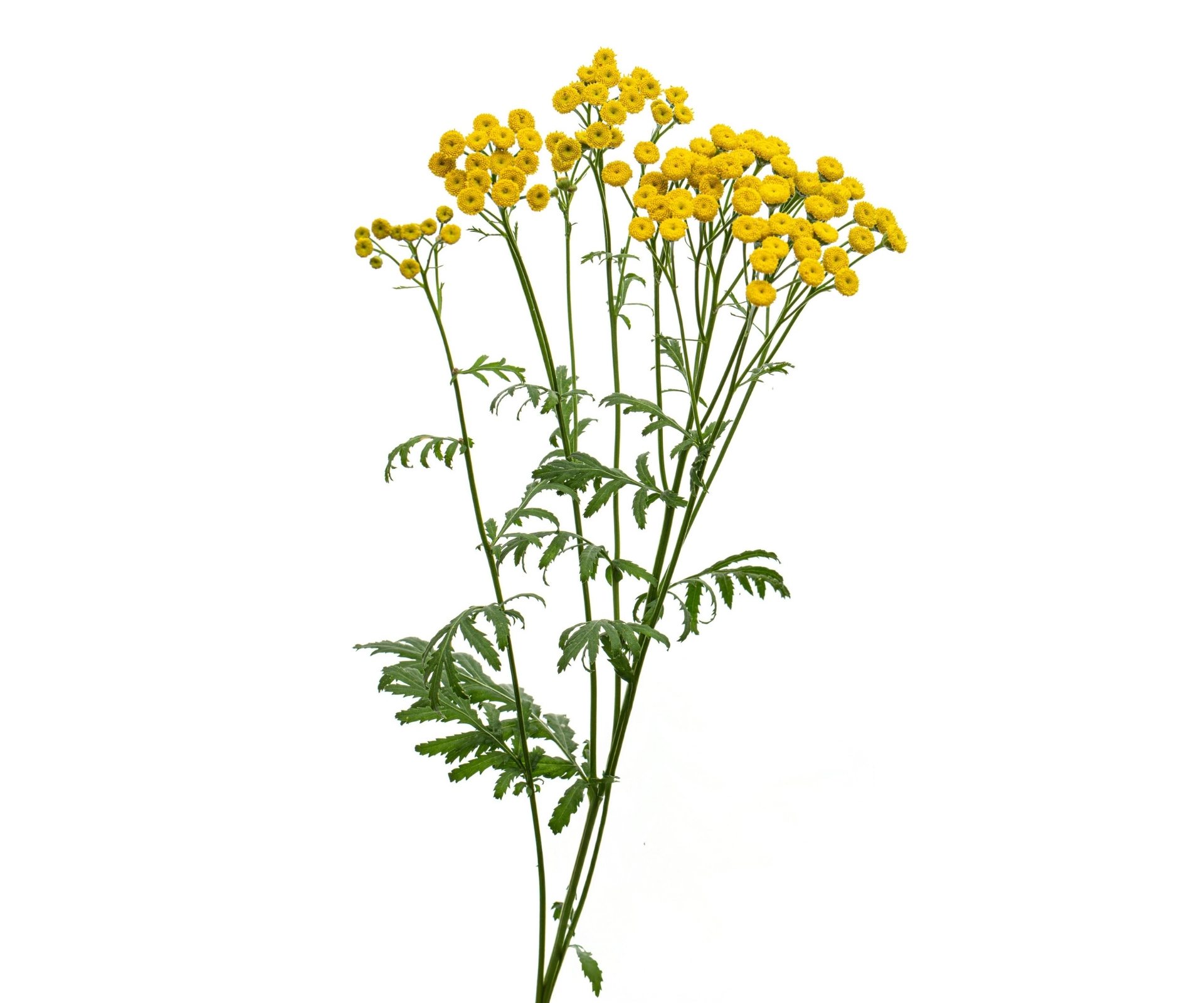
Yellow Buttons (Chrysocephalum apiculatum)
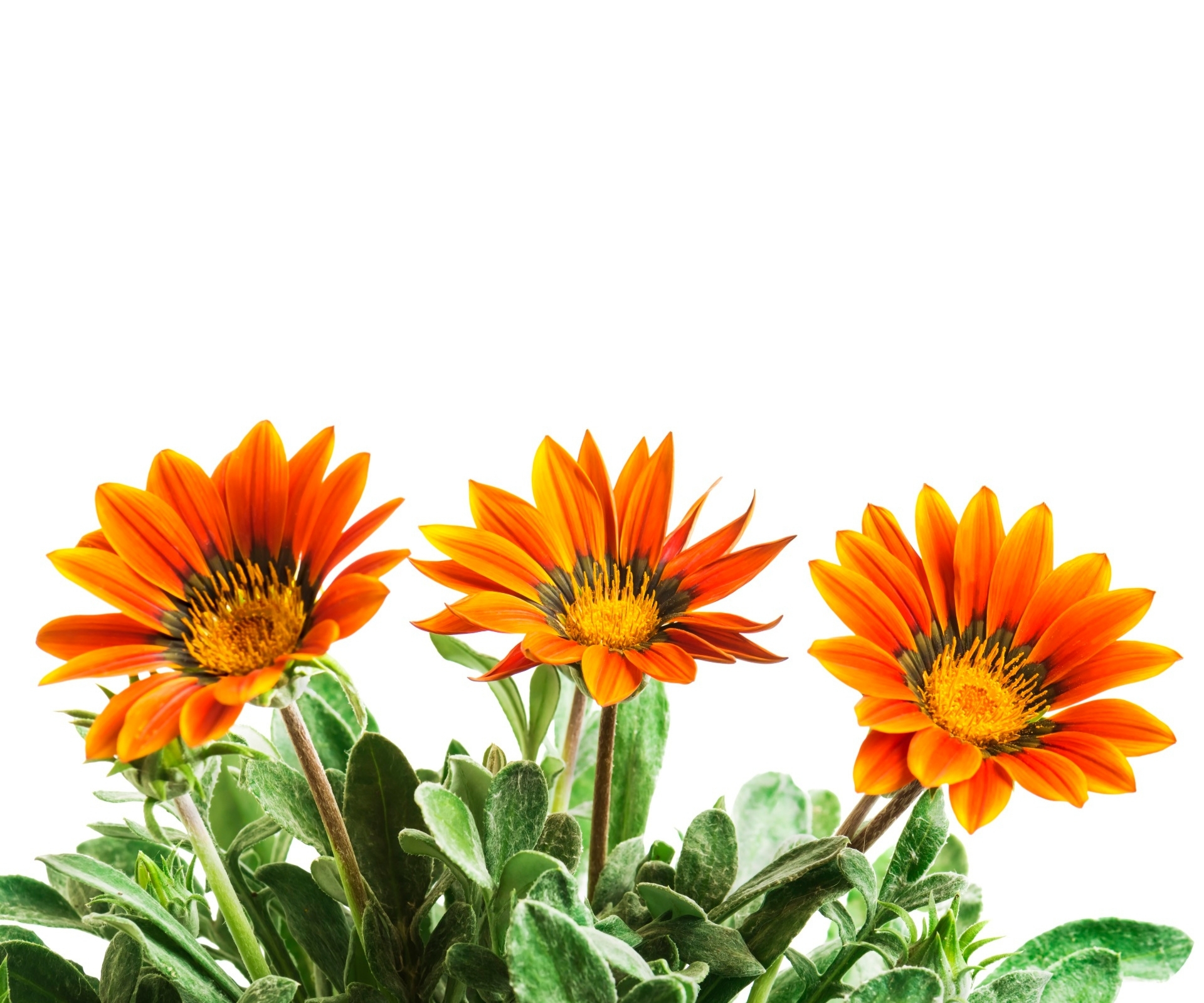
These charming plants provide delightful pops of golden colour, perfect for rockeries or garden borders. They spread via stolons, efficiently filling in any bare patches.Gazanias (Gazania spp.)
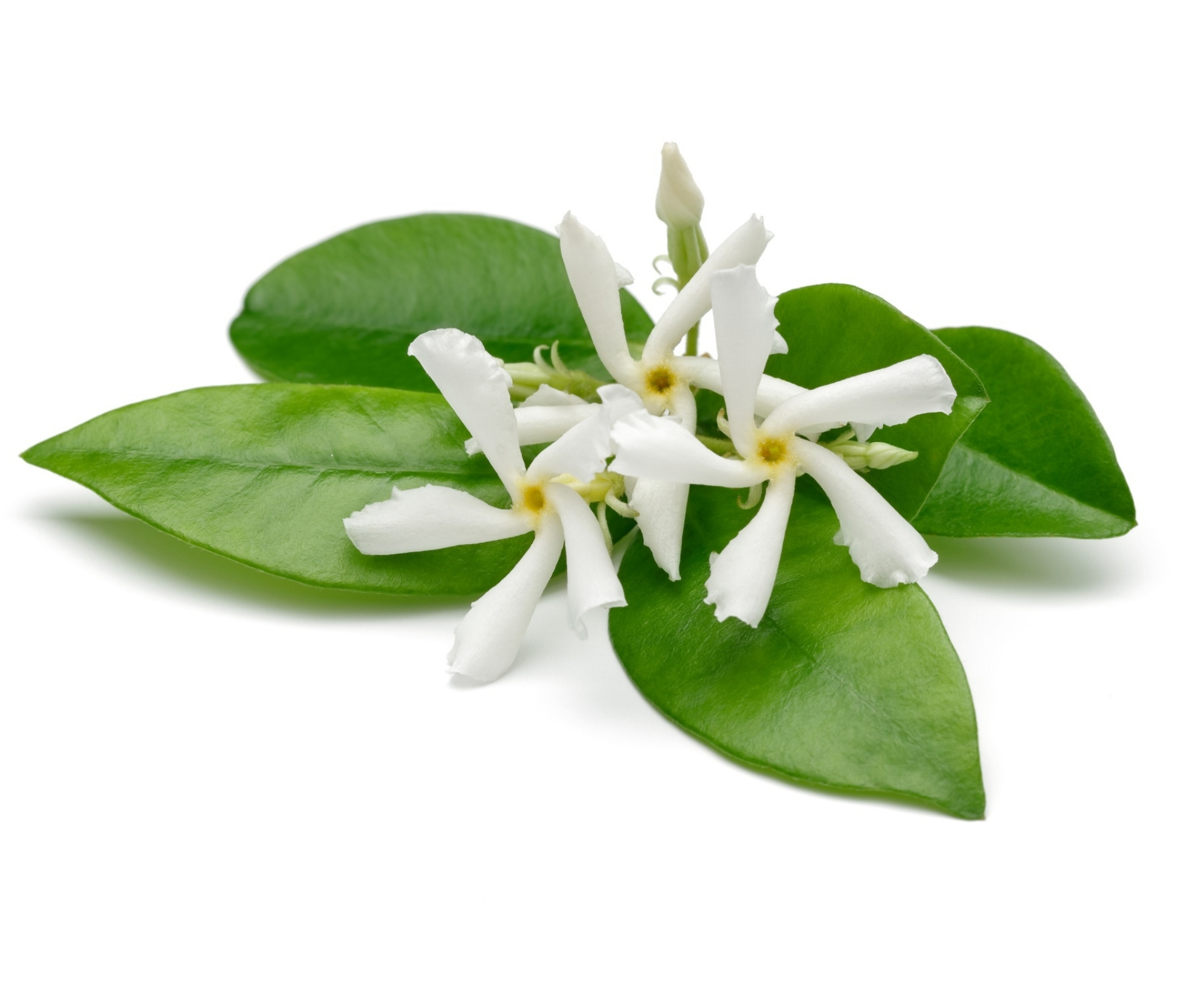
Gazanias are prolific bloomers, unfurling their multi-hued flowers from spring to autumn. They are remarkably salt and drought-tolerant and spread by both rhizomes and seed. However, be mindful of their seeding potential, especially if your garden is near natural bushland – deadheading before seed set is advisable.Star Jasmine (Trachelospermum jasminoides)
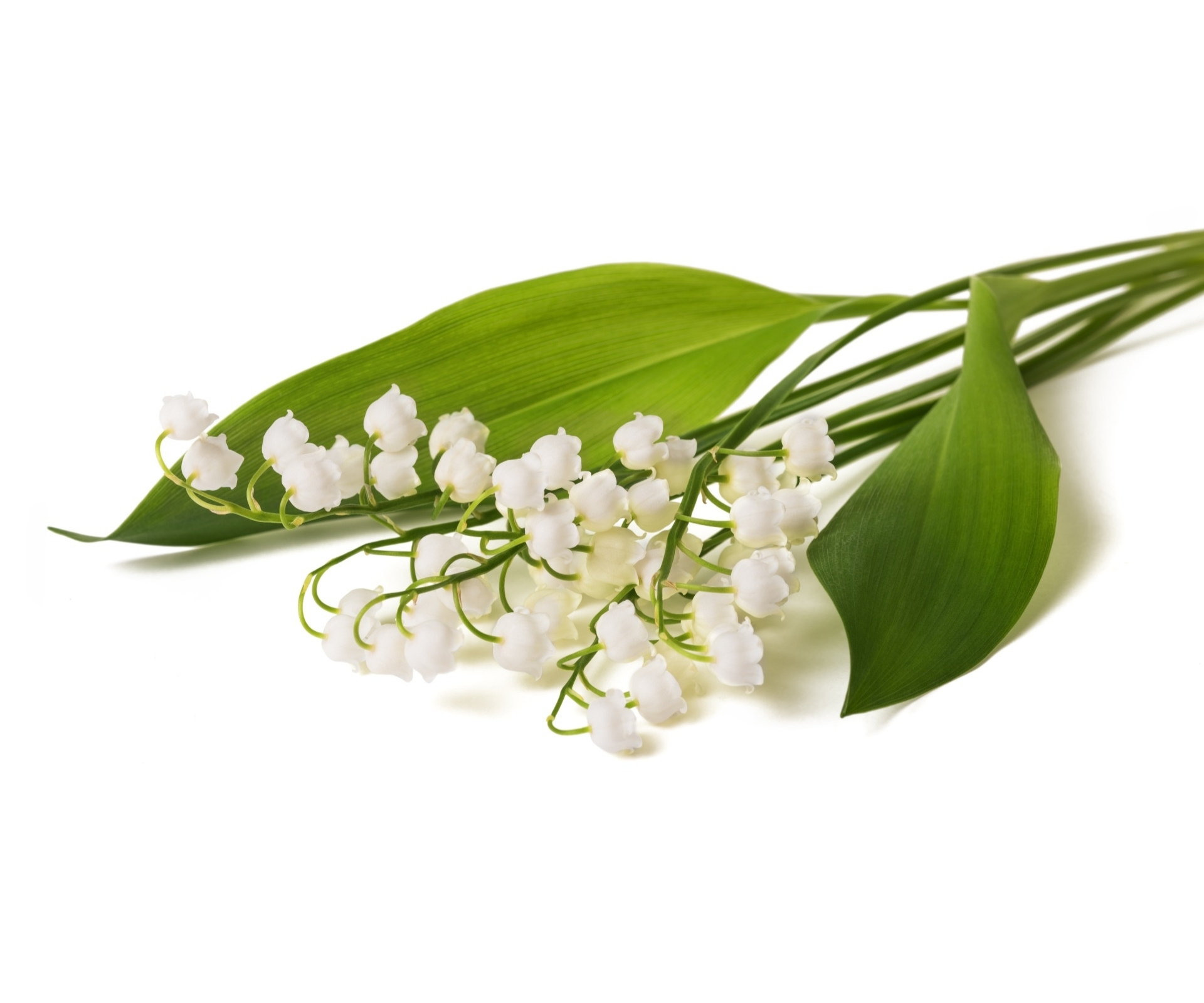
While it can be trained as a climber with support, star jasmine also makes a stunning groundcover, spreading up to 5 metres wide and reaching about 40cm in height. Its lovely spring flowers are followed by a tidy trim to maintain its shape.Lily of the Valley (Convallaria majalis)
Thriving in shady, cool climates, this plant spreads enthusiastically via rhizomes. Its delicate, bell-shaped white or pink flowers emerge in spring, adding a sweet fragrance to shaded areas. It tends to retreat from sunny spots.Creeping Thyme (Thymus serpyllum)
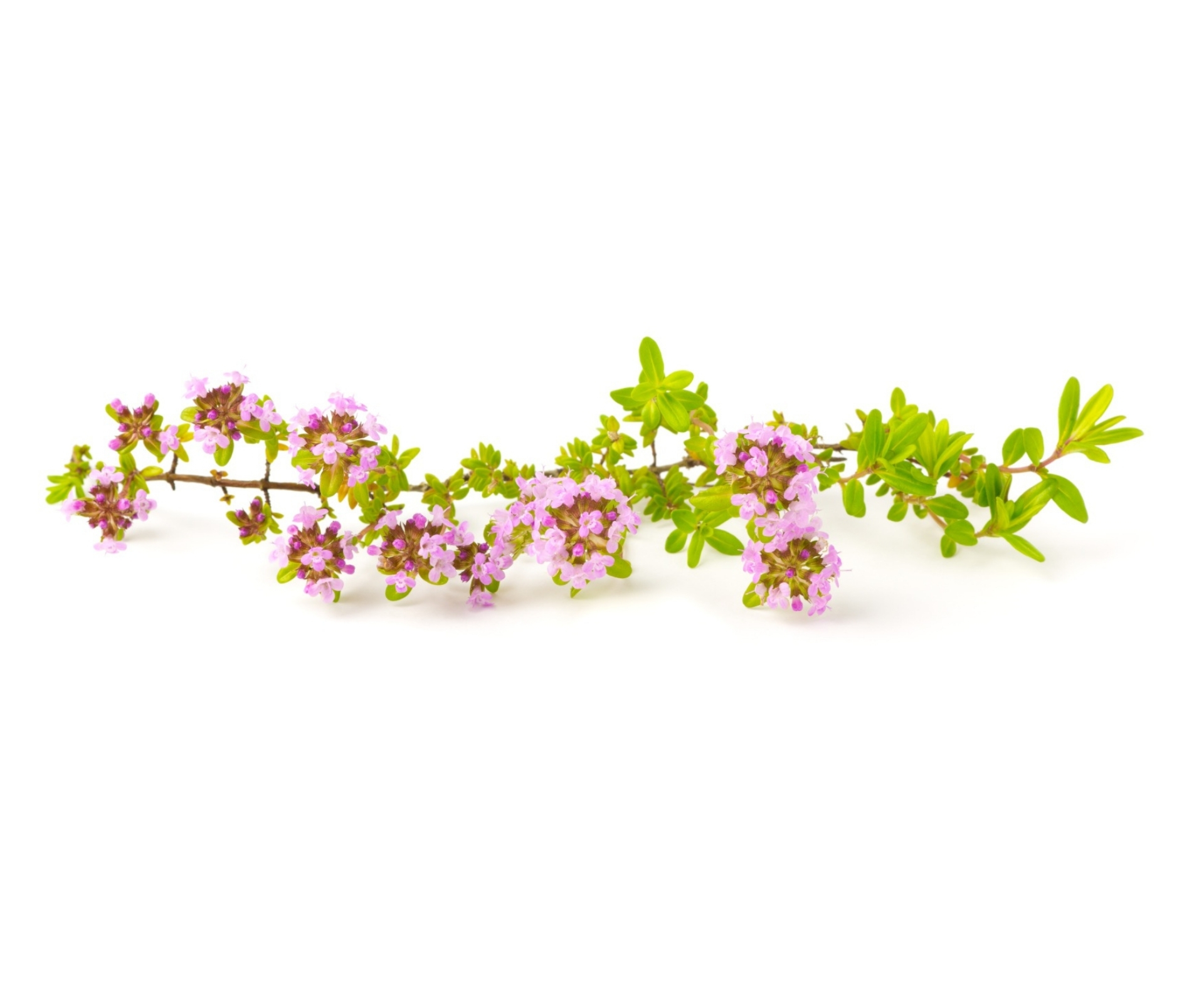
From spring to late summer, creeping thyme is smothered in vibrant pink, purple, or white flowers. It thrives in the heat radiating from paving and rockeries, making it an ideal choice for these areas.Pig Face (Carpobrotus spp.)
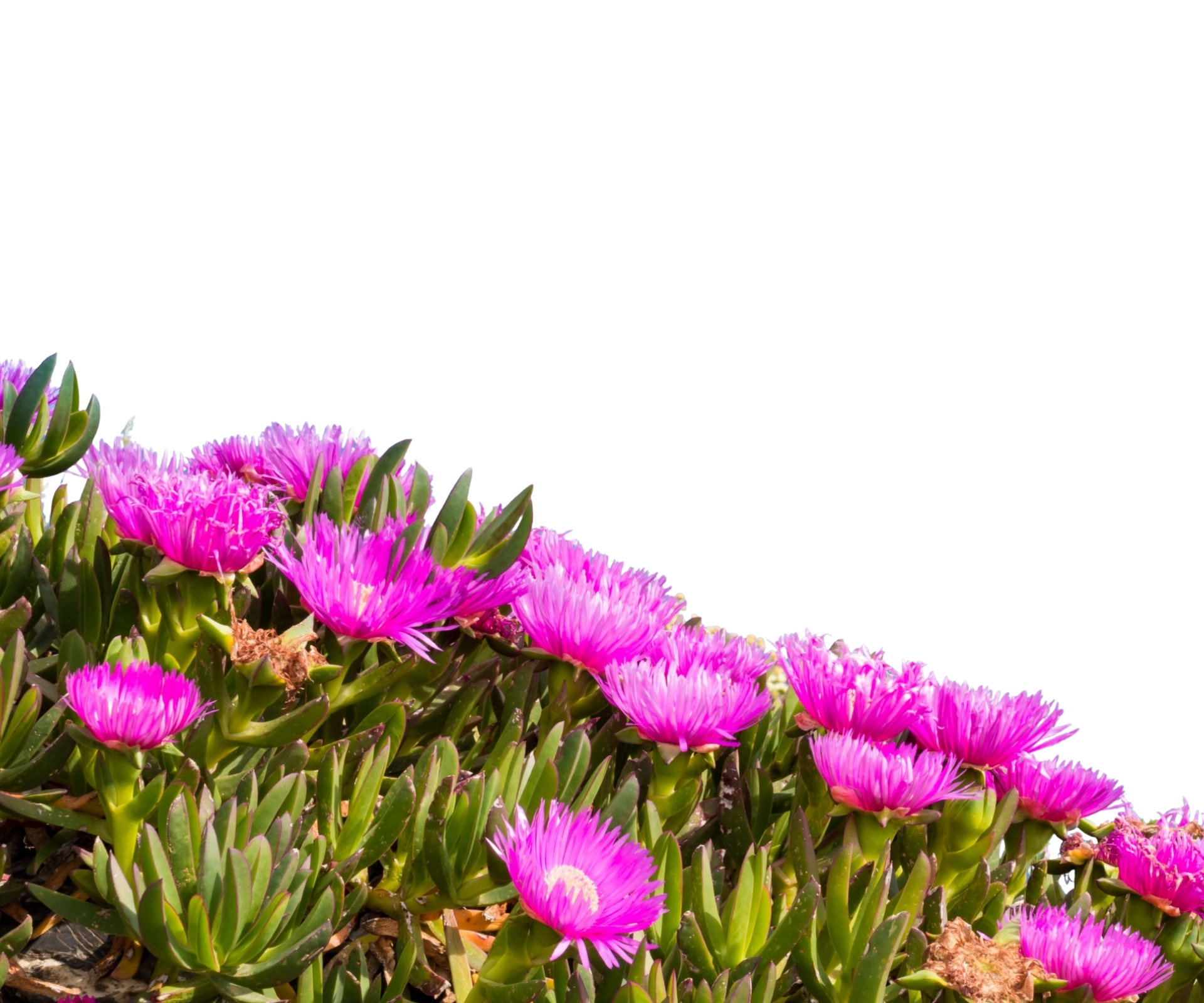
Native pigface is a succulent wonder, boasting silky, bright pink or purple daisy-like flowers in spring and summer. Its triangular, fleshy leaves and salt tolerance make it perfect for coastal gardens, where it effectively binds sandy soil.Dichondra (D. repens)
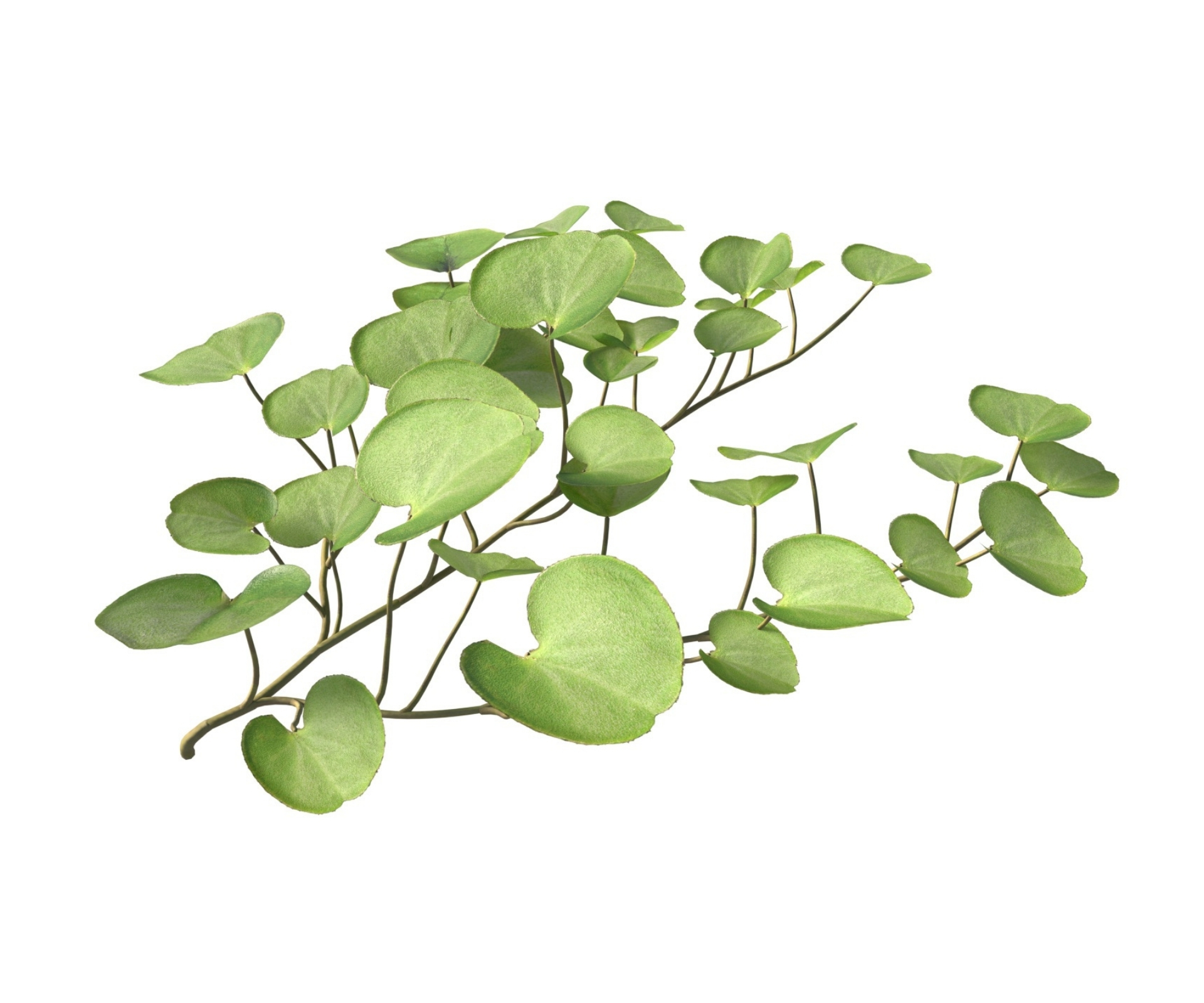
Dichondra offers a fantastic lawn alternative that flourishes in both sun and shade. Spreading rapidly via stolons, it forms a dense, low-growing mat. Its insignificant yellow flowers produce seeds that can travel, making it a vigorous coloniser to keep an eye on.
Climbers: Vertical Beauty and Instant Privacy
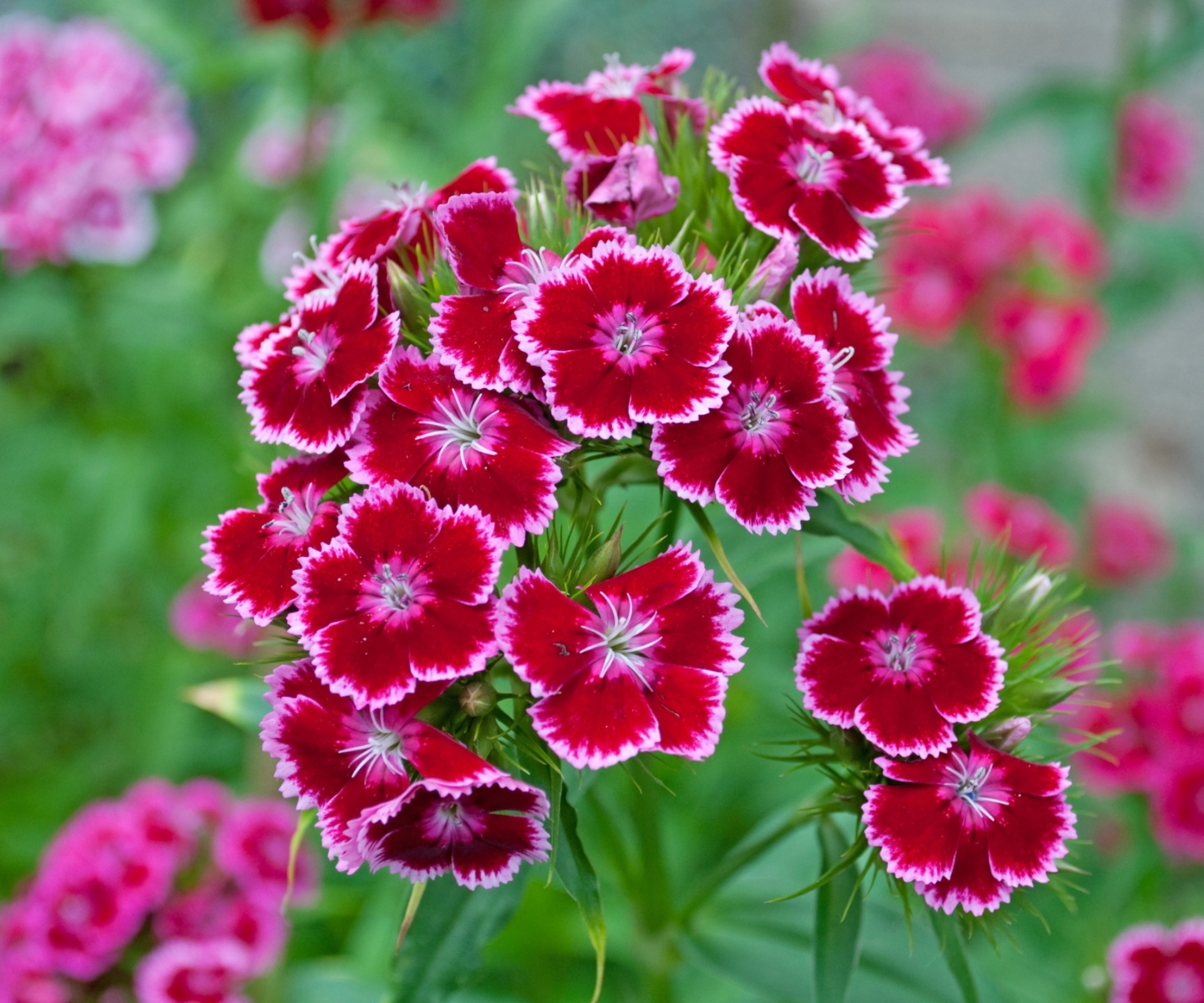
Climbing plants are nature’s answer to instant vertical appeal. They transform drab walls, tired fences, and pergolas into lush, living works of art, adding softness and greenery without consuming valuable ground space. These climbers offer bursts of seasonal colour and fragrance, complementing your garden’s focal points, and as a delightful bonus, they provide an excellent screen for privacy.
A Little Help for Your Climbers:
Many climbing plants lack the structural integrity to support themselves as they grow, so providing a trellis, fence, or even a simple wire mesh is essential for them to thrive.
Explore these climbing varieties:
Native Wisteria (Hardenbergia violacea)
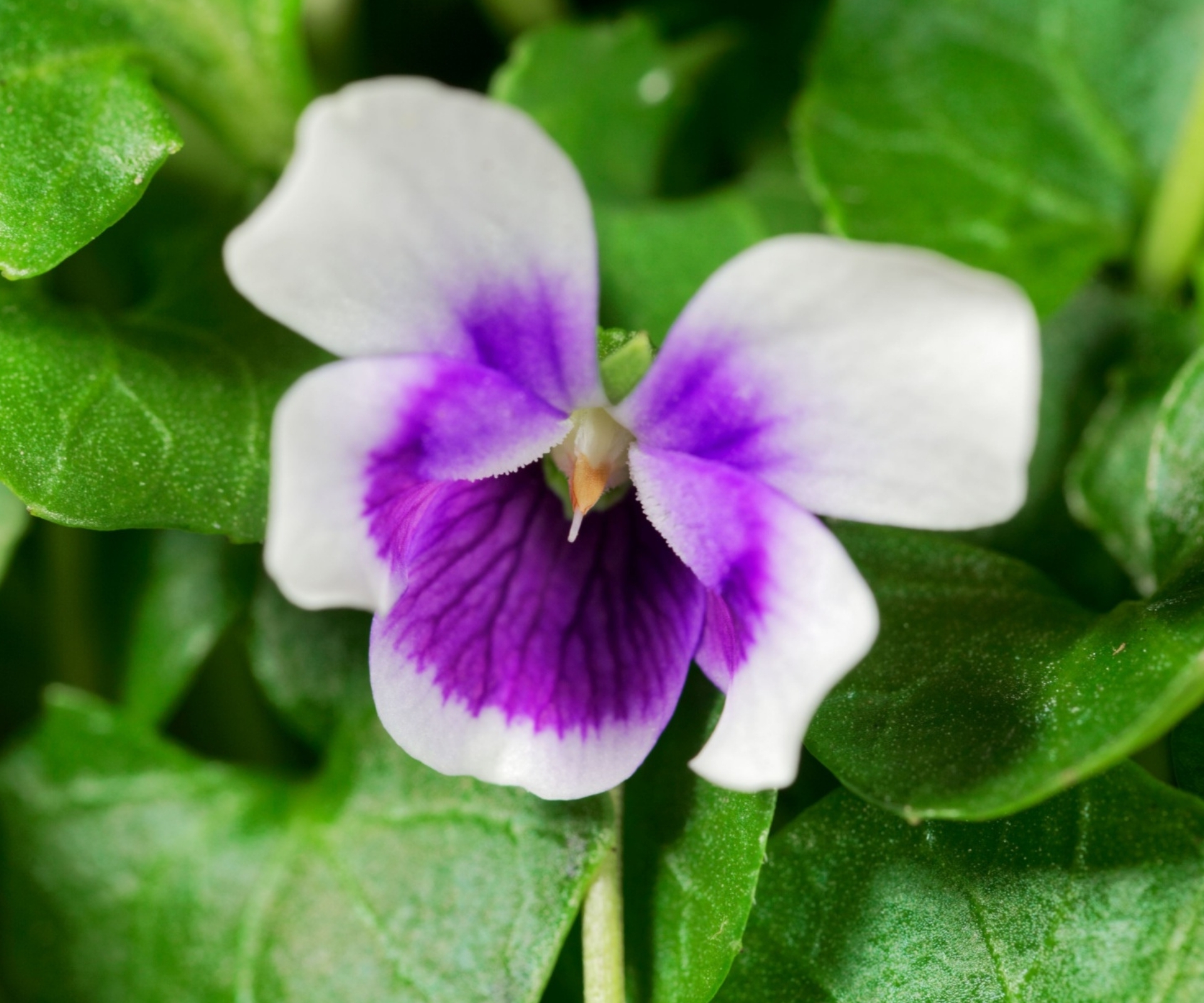
This Australian native produces masses of tiny, deep violet or white flowers in late winter and early spring, climbing with elegant twining stems.Creeping Fig (Ficus pumila)
A vigorous evergreen, creeping fig quickly cloaks masonry walls and fences with its small, heart-shaped leaves. It adheres using aerial rootlets that secrete a strong adhesive.Orange Trumpet Vine (Pyrostegia venusta)
This spectacular climber provides a brilliant display of orange, trumpet-shaped flowers in late winter, covering its stems in a fiery cascade. It uses twining tendrils to ascend.Sweet Pea (Lathyrus odoratus)
A fast-growing annual, sweet peas are perfect for draping over fences in spring. Their beautifully perfumed, pastel-coloured flowers bring a touch of romance to the garden. They climb using slender, curly tendrils.Bougainvillea
While the actual flowers are small, it’s the vibrant, paper-like bracts in a stunning array of colours – pink, red, purple, orange, and white – that make bougainvillea a summer showstopper. It climbs using sharp, hooked thorns to secure its vining stems.Clematis
Clematis blooms arrive in spring in a dazzling spectrum of vibrant colours. They climb by using their leaves and stems as tendrils. For best results, plant their roots in shade and allow the foliage to reach for the light.











Discussion about this post