


The World’s 10 Longest Road Tunnels
Tunnels are essential for navigating some of the most extreme and challenging terrains on Earth. They allow for smoother, faster travel by bypassing natural obstacles such as mountains, rivers, and even entire islands. While many tunnels offer only a brief underground drive, others stretch for miles, requiring cutting-edge technology to construct and maintain. Here are the world’s 10 longest road tunnels, each with unique features and engineering marvels.
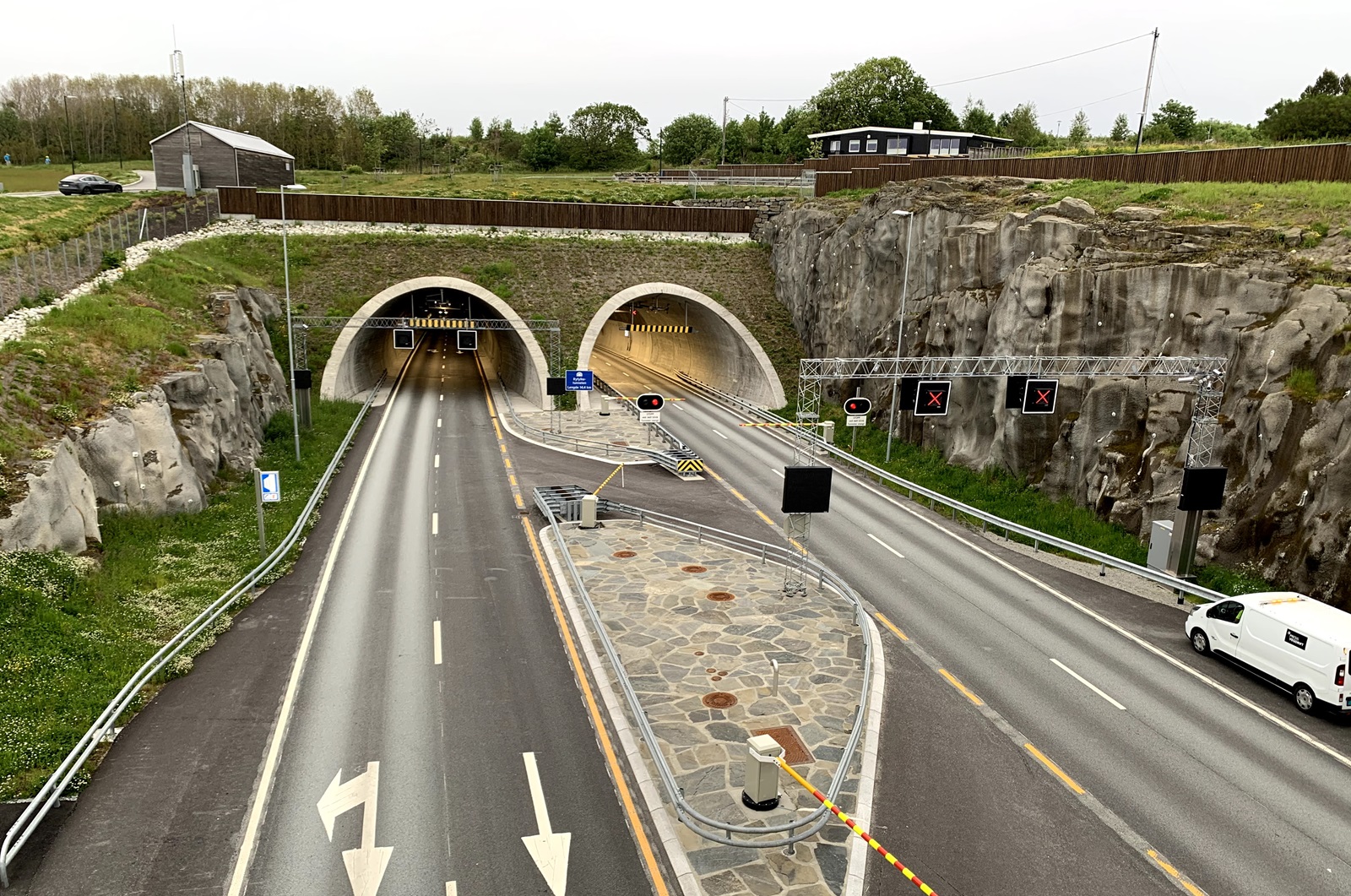
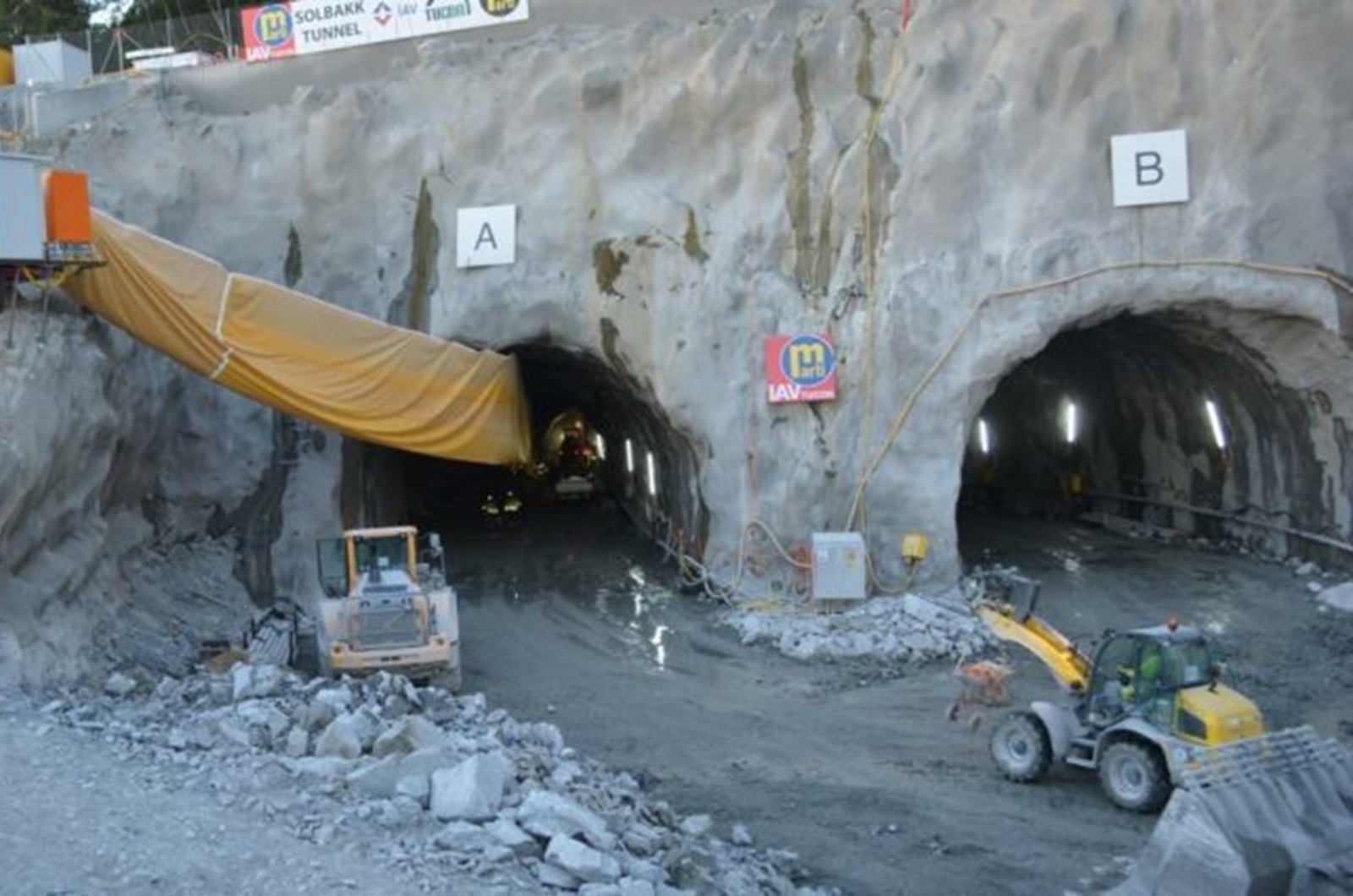
Ryfylke Tunnel, Norway – 8.98 miles (14.46km)
The Ryfylke Tunnel is currently the longest undersea road tunnel in the world. It connects Stavanger and Ryfylke, spanning 8.98 miles beneath the sea. This tunnel was part of Norway’s Rogfast project, aimed at linking several islands through an extensive network of undersea tunnels. Opened in 2019, it took seven years to build and carries around 10,000 vehicles per day. At its deepest point, the tunnel descends 285 metres below the surface. A toll is charged to help cover the construction costs, with electric cars receiving a 50% discount.
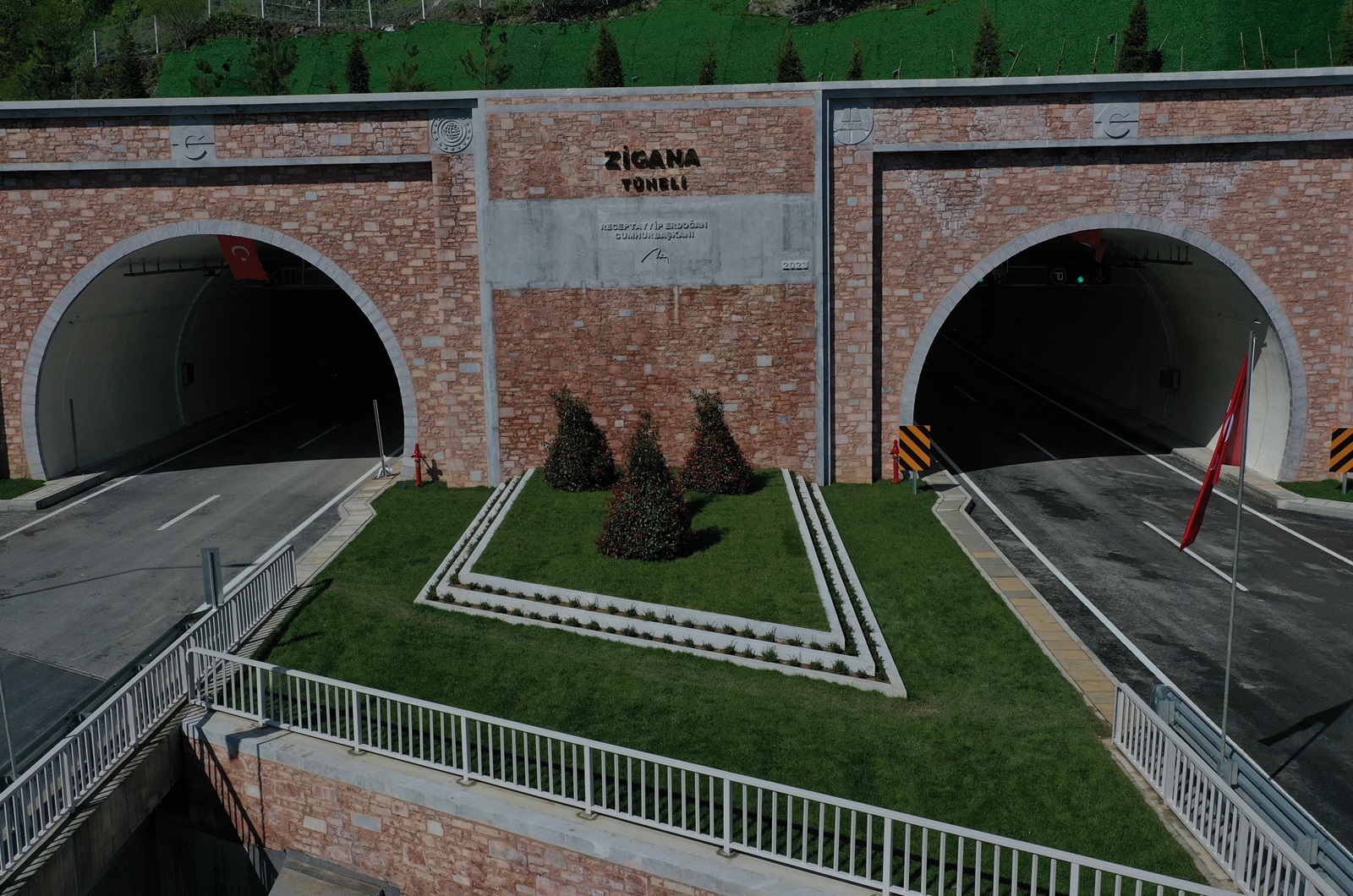
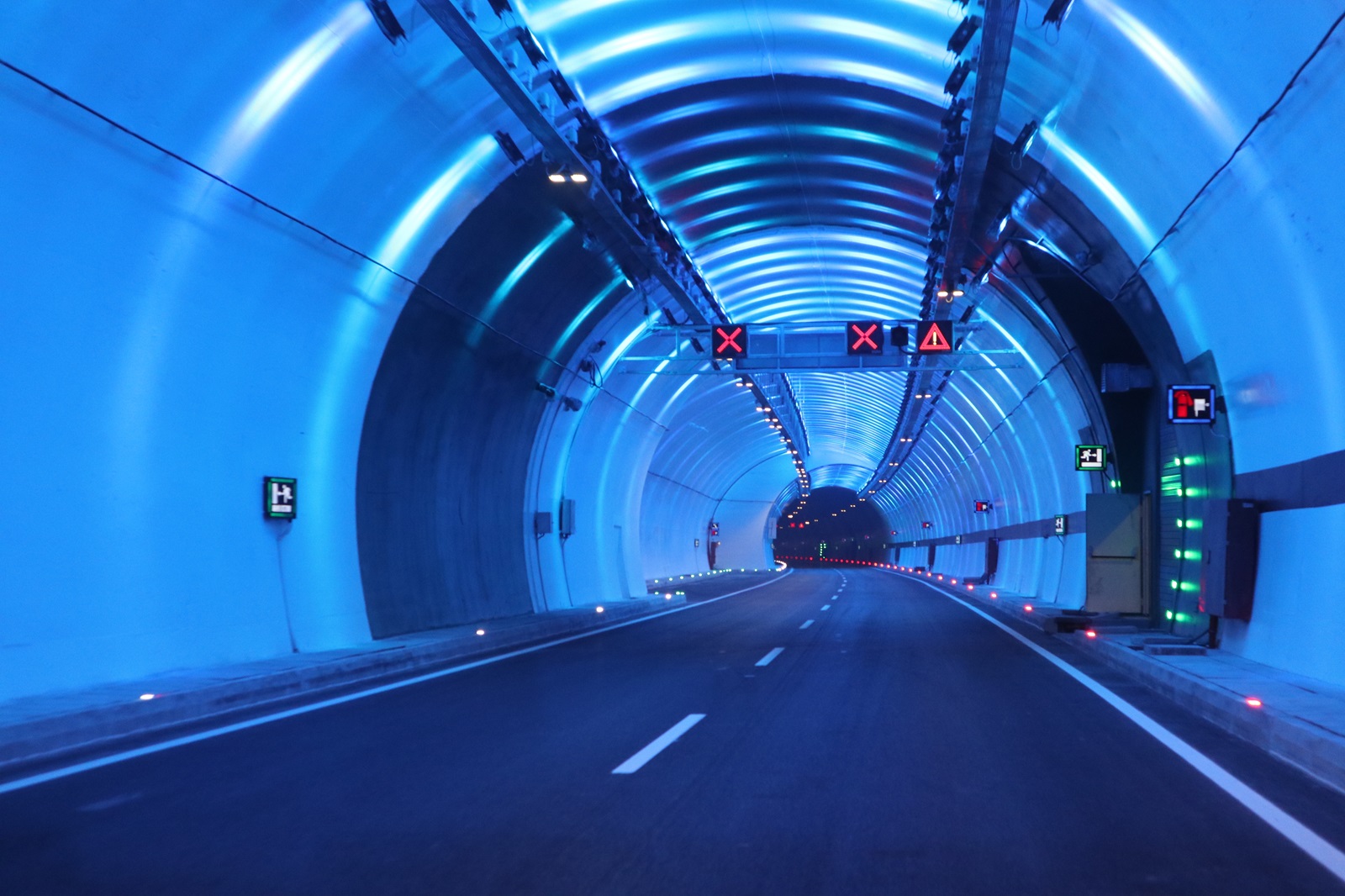
Zigana Tunnel, Turkey – 8.99 miles (14.48km)
Located near the northern coast of Turkey, the Zigana Tunnel cuts through rugged mountain rock to bypass the snow-covered Zigana Pass. Construction began in 2016 and was completed in 2023. It is Turkey’s longest road tunnel, reducing travel time by about 20 minutes during summer months. The tunnel uses the New Austrian Tunnelling Method, which adapts to the surrounding rock. It has two separate tubes, 16 laybys, six ventilation shafts, and 40 connecting tunnels between the tubes.

Muzhailing Tunnel, China – 9.46 miles (15.22km)
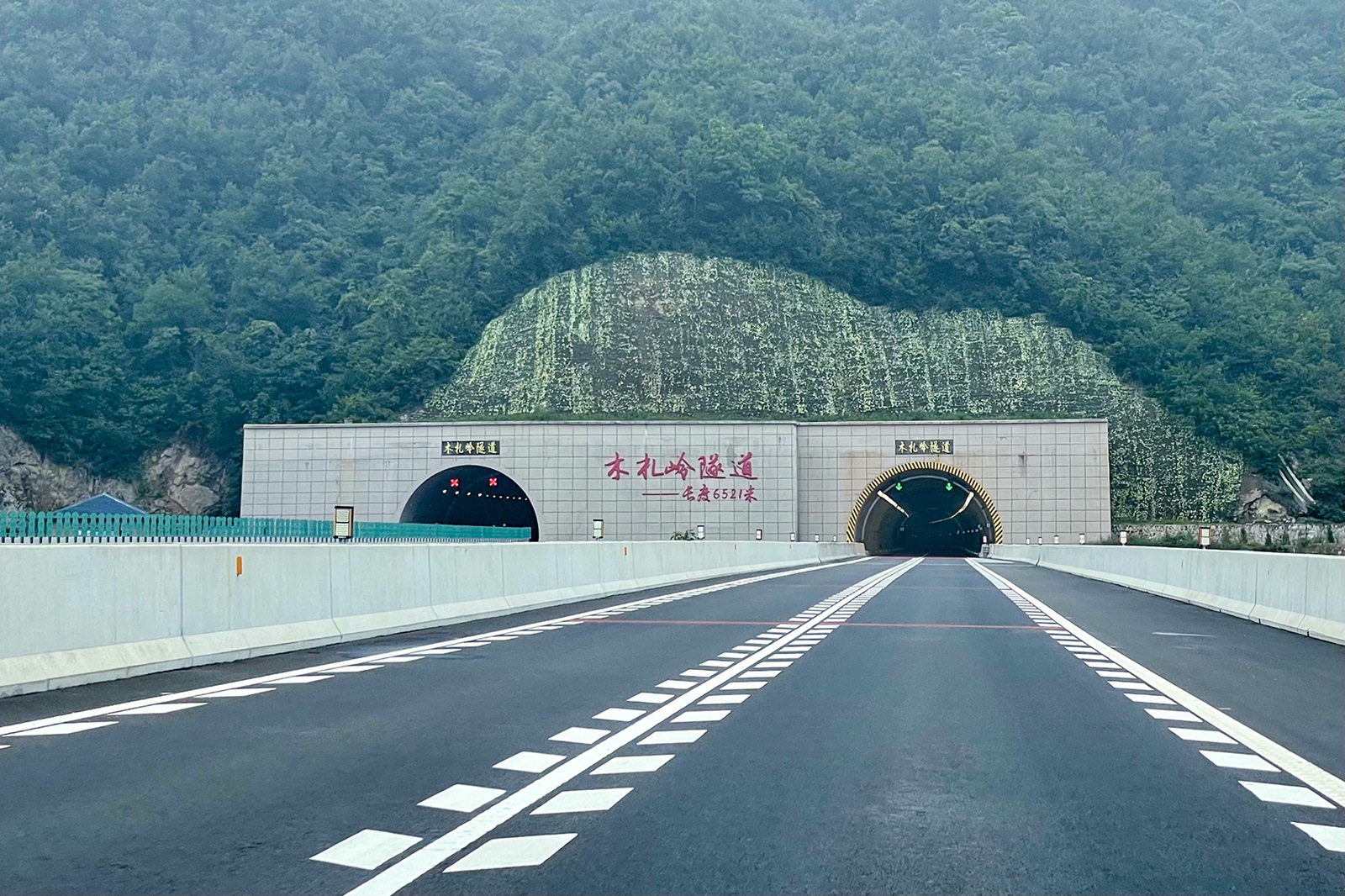
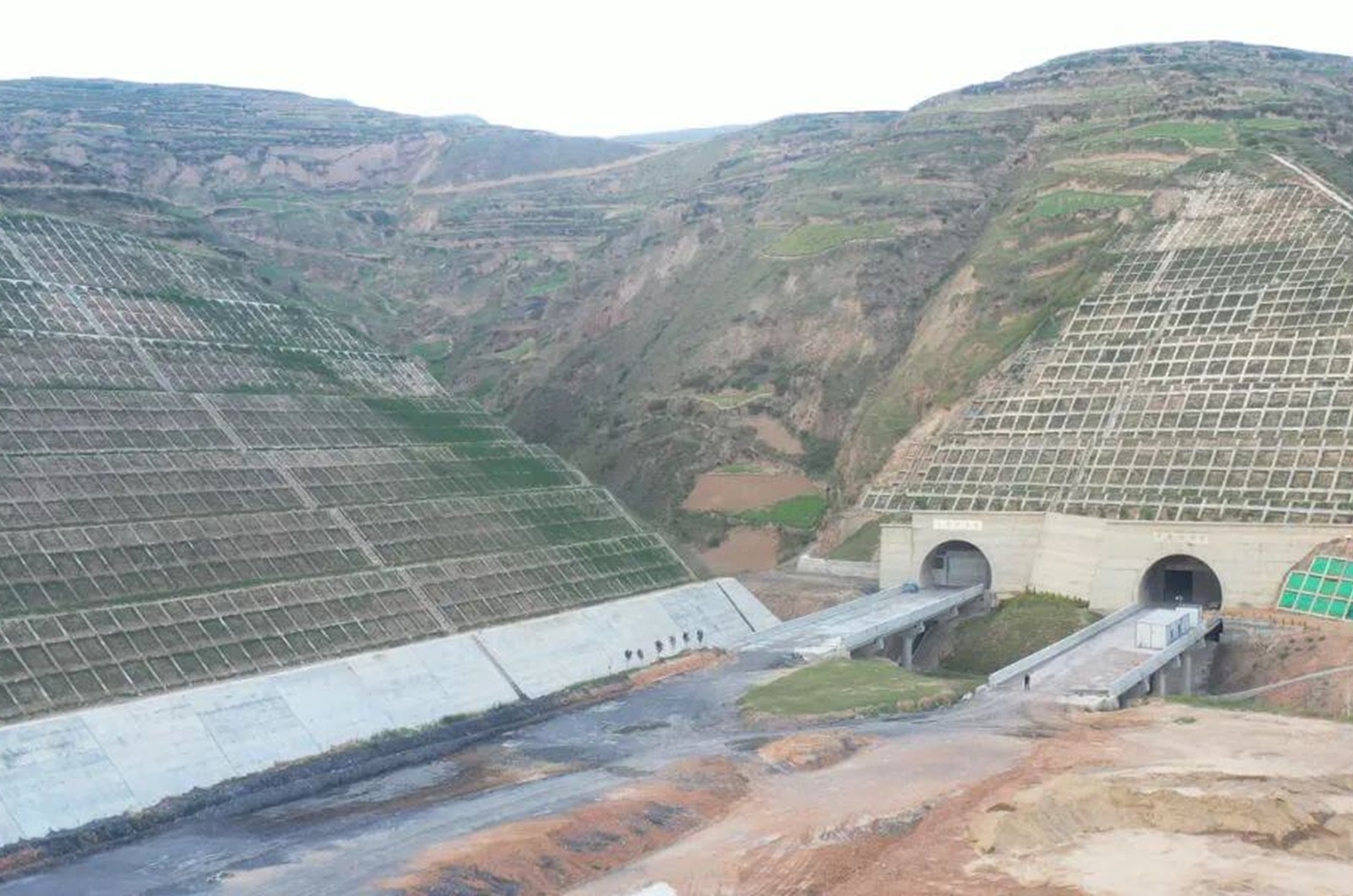
The Muzhailing Tunnel in Gansu Province, China, was built in an area of active seismic activity and high altitude. To withstand potential earthquakes, engineers used NPR anchor cabling to secure the structure into the surrounding rock. The tunnel consists of two separate tubes, each carrying traffic in opposite directions. Construction started in 2016 and finished in 2024, with challenges posed by the thin air at high altitudes.
Tiantaishan Tunnel, China – 9.67 miles (15.56km)
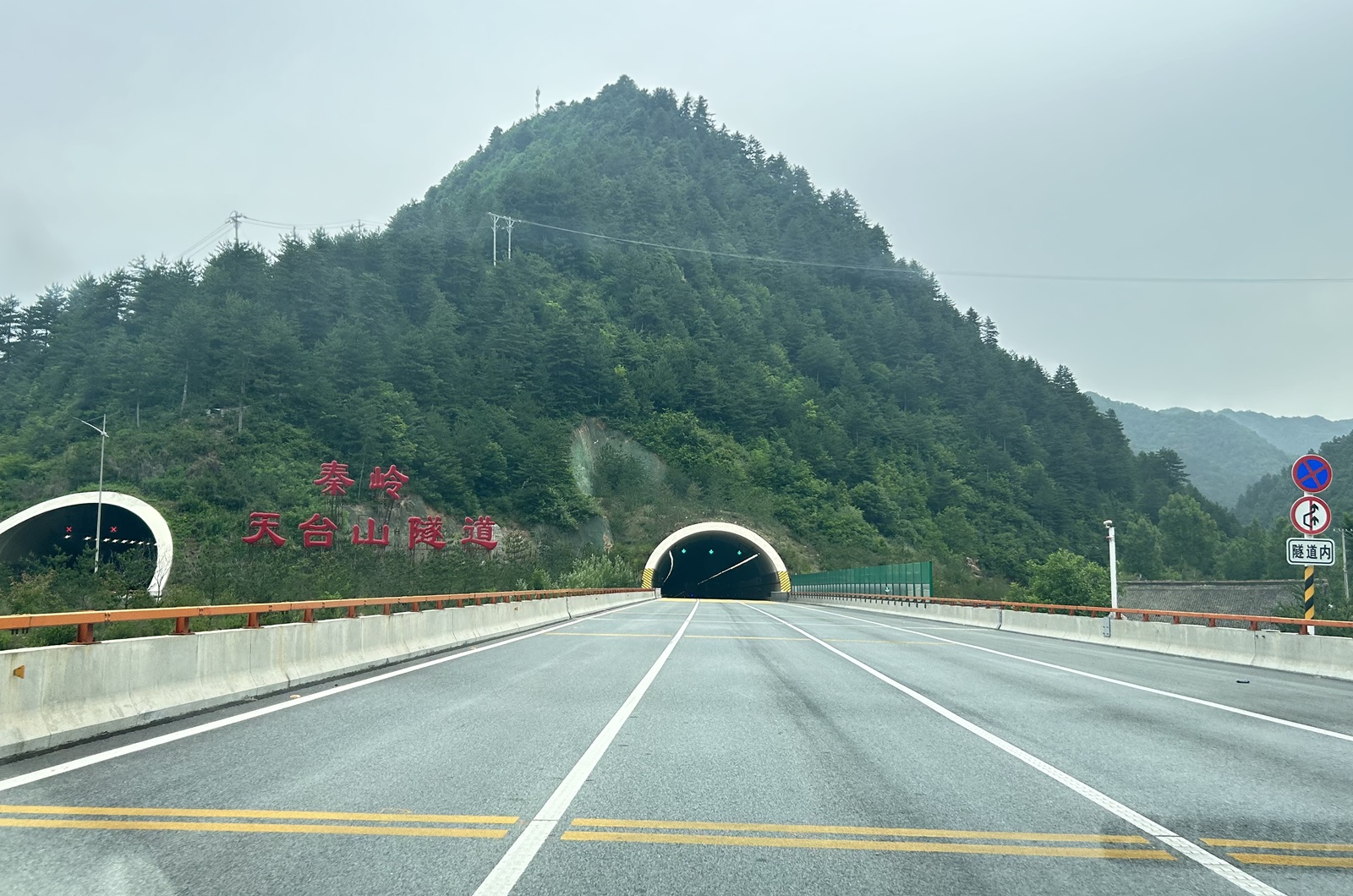
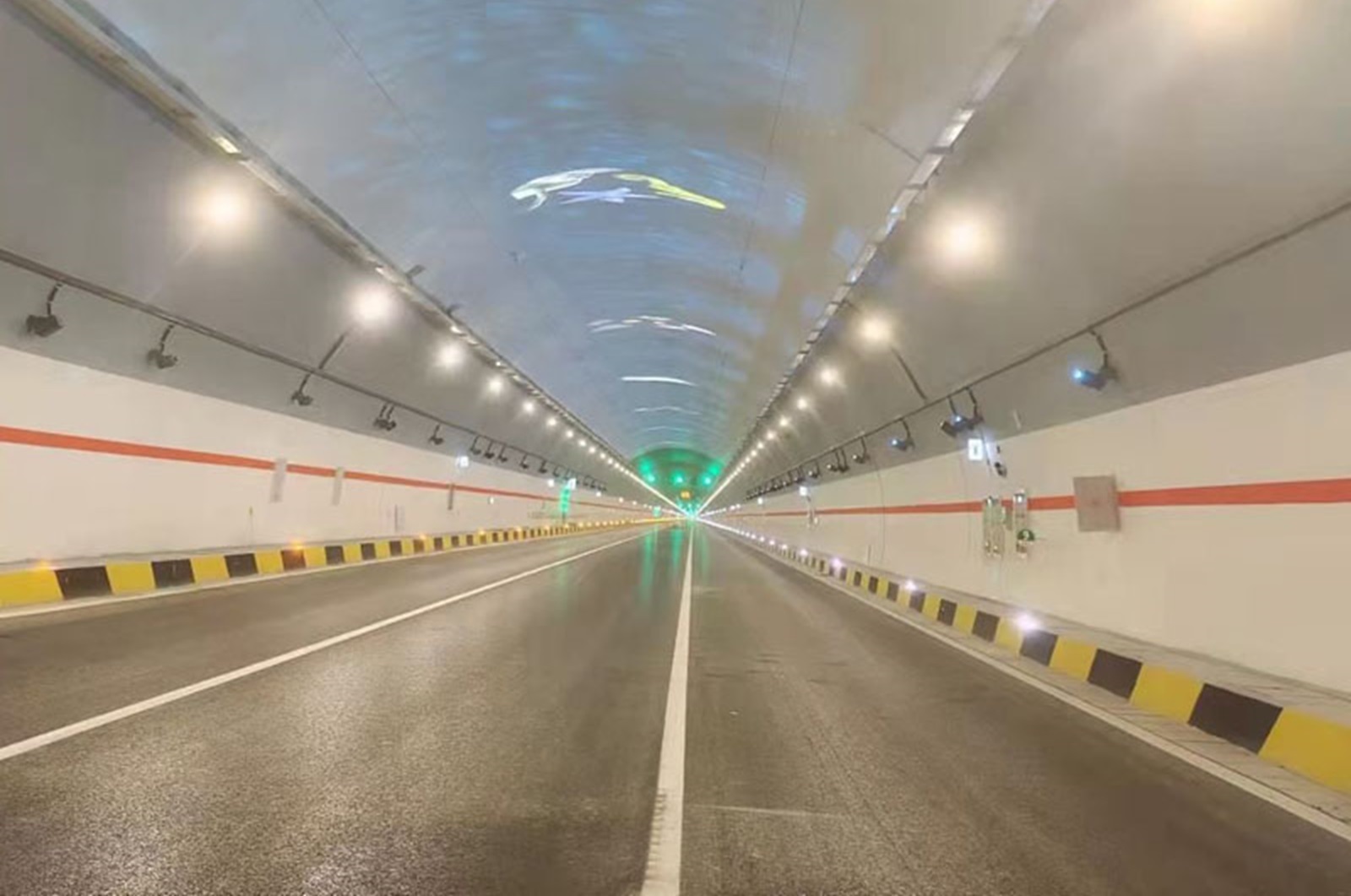
The Tiantaishan Tunnel, located in Shaanxi Province, was completed in 2021 after starting in 2016. Despite its high altitude and cold climate, the tunnel was built relatively quickly. A smart lighting system was developed to provide more natural light inside the tunnel, helping to reduce driver fatigue. The tunnel also features different light patterns and designs on its walls to keep drivers alert.
Gotthard Road Tunnel, Switzerland – 10.46 miles (16.84km)
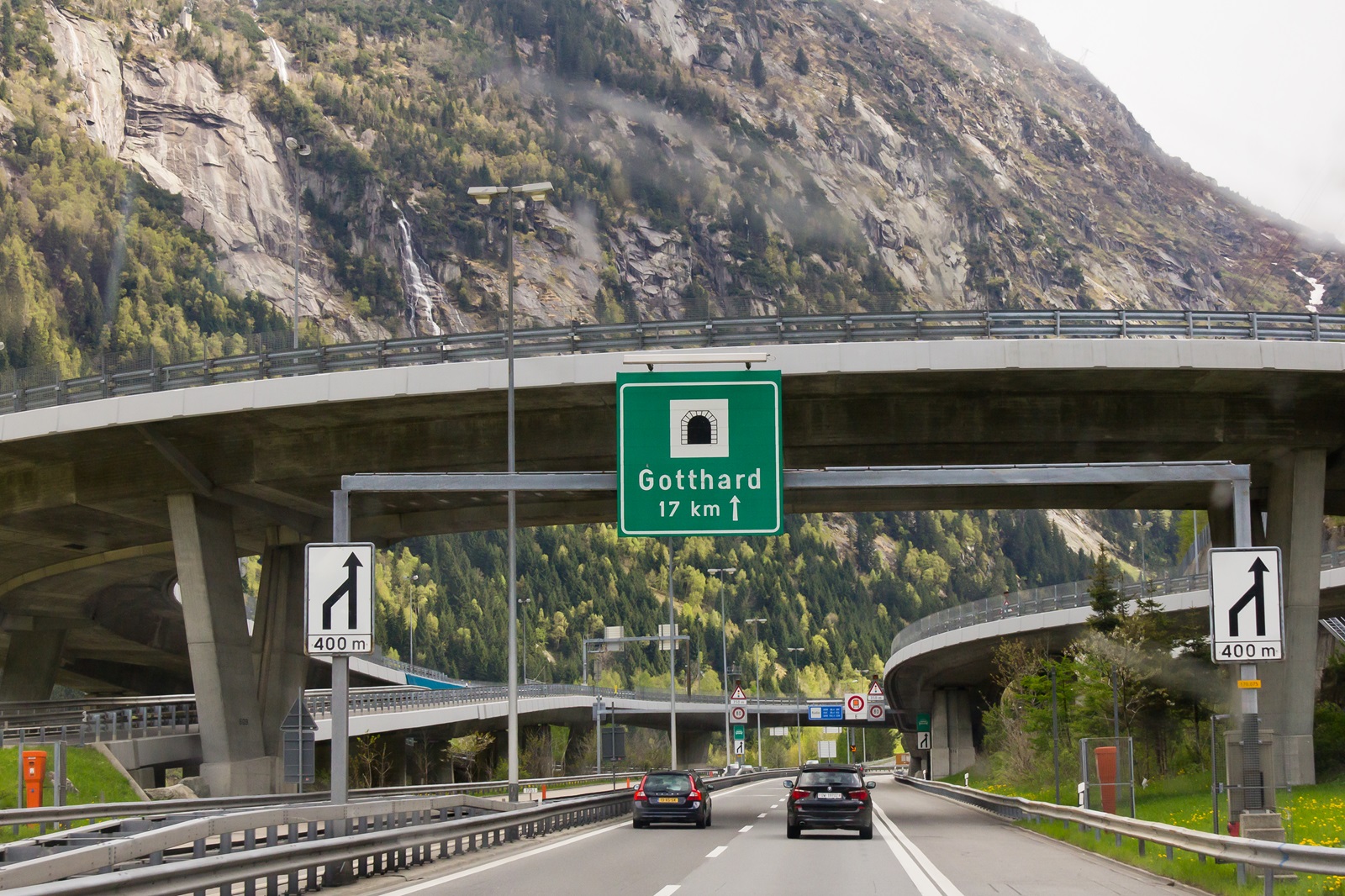
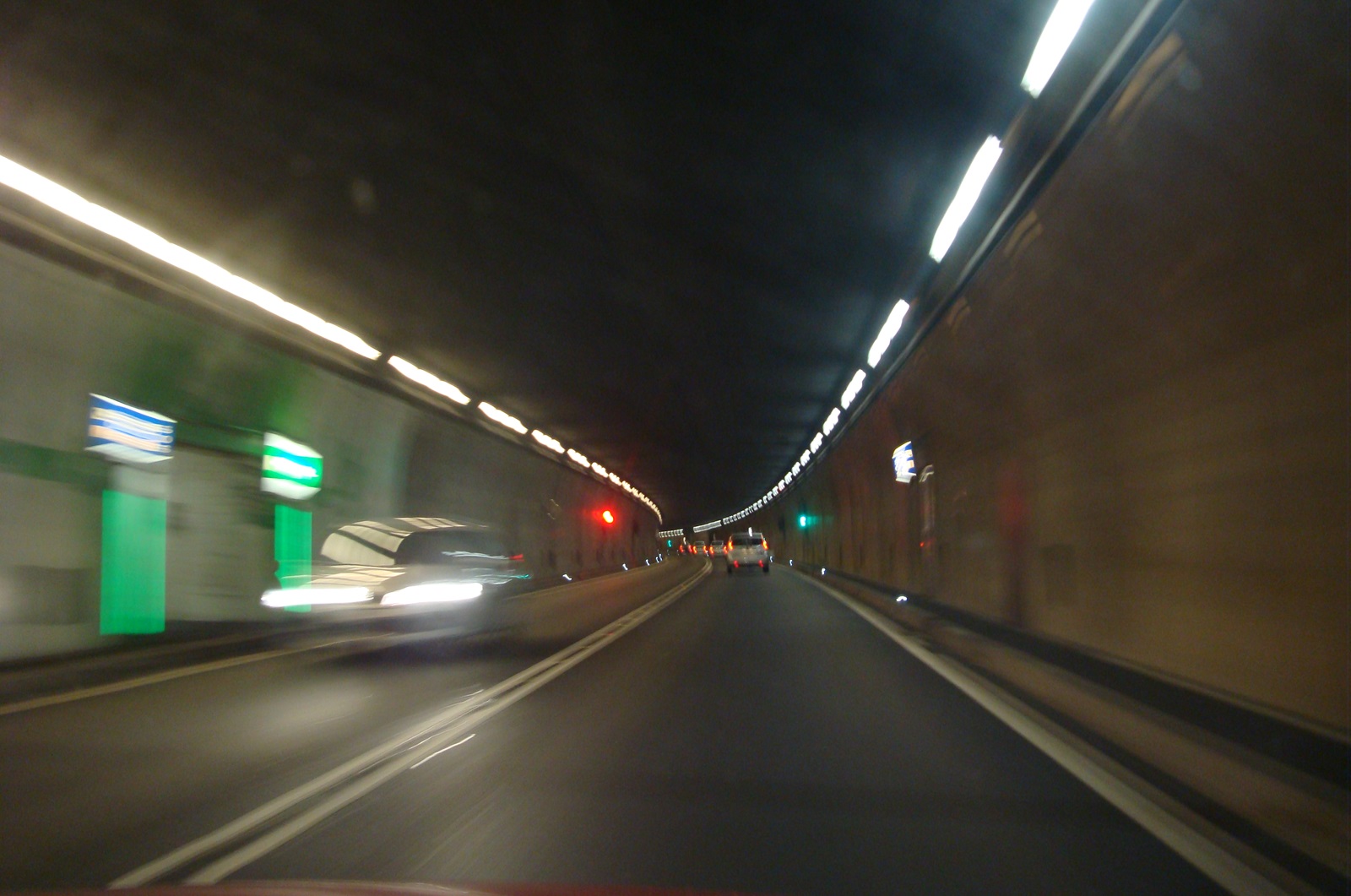
Previously the longest road tunnel in the world, the Gotthard Road Tunnel in Switzerland opened in 1980. It runs through the Alps and has a maximum height of 1175 metres. The tunnel carries up to 24,000 vehicles per day and has a strict 80 km/h speed limit. Unlike most modern tunnels, it uses a single tube to carry both directions of traffic. In 2016, a referendum saw 57% of Swiss voters support the construction of a second Gotthard tunnel.
Jinpingshan Tunnel, China – 10.90 miles (17.54km)
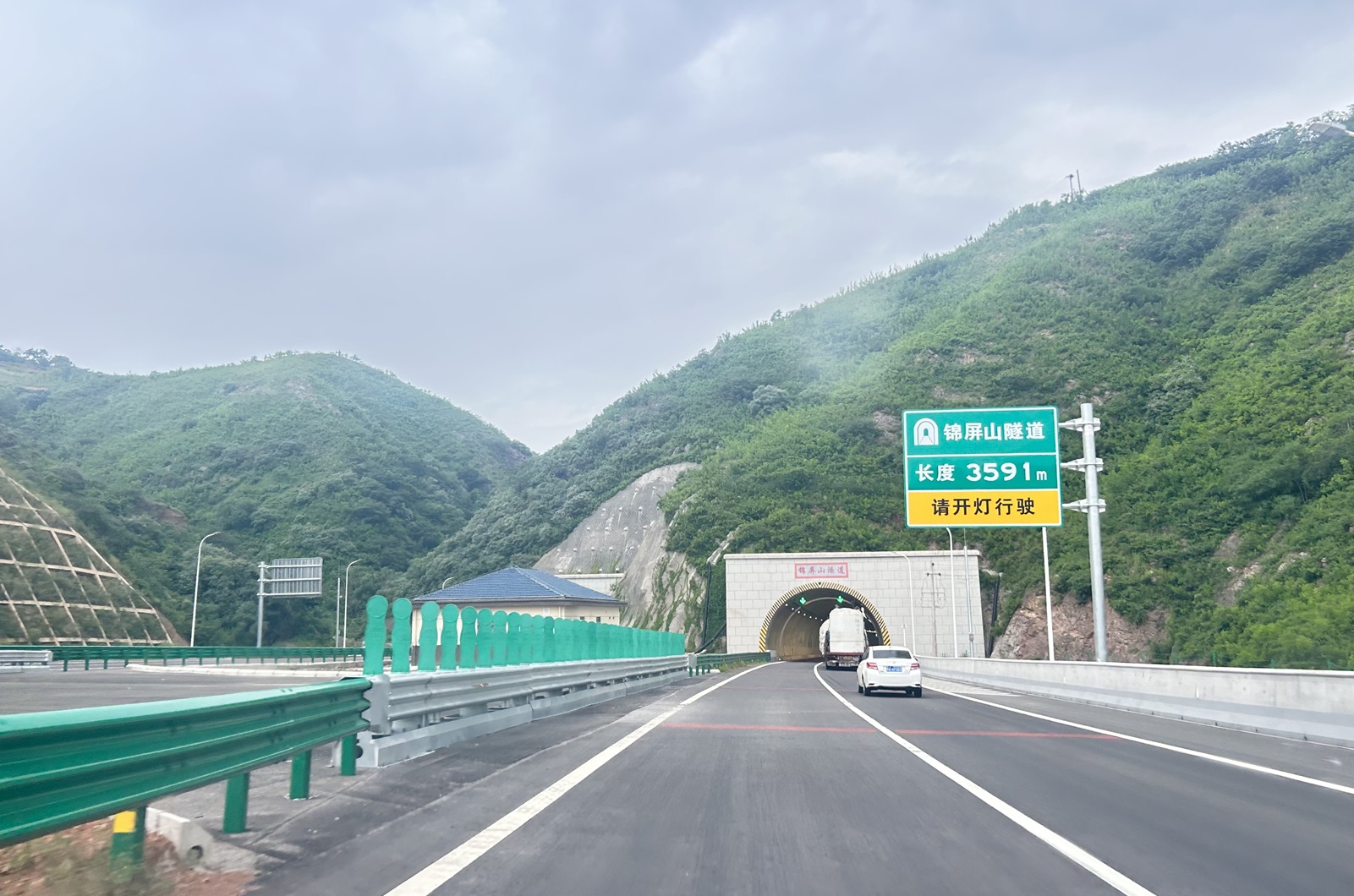
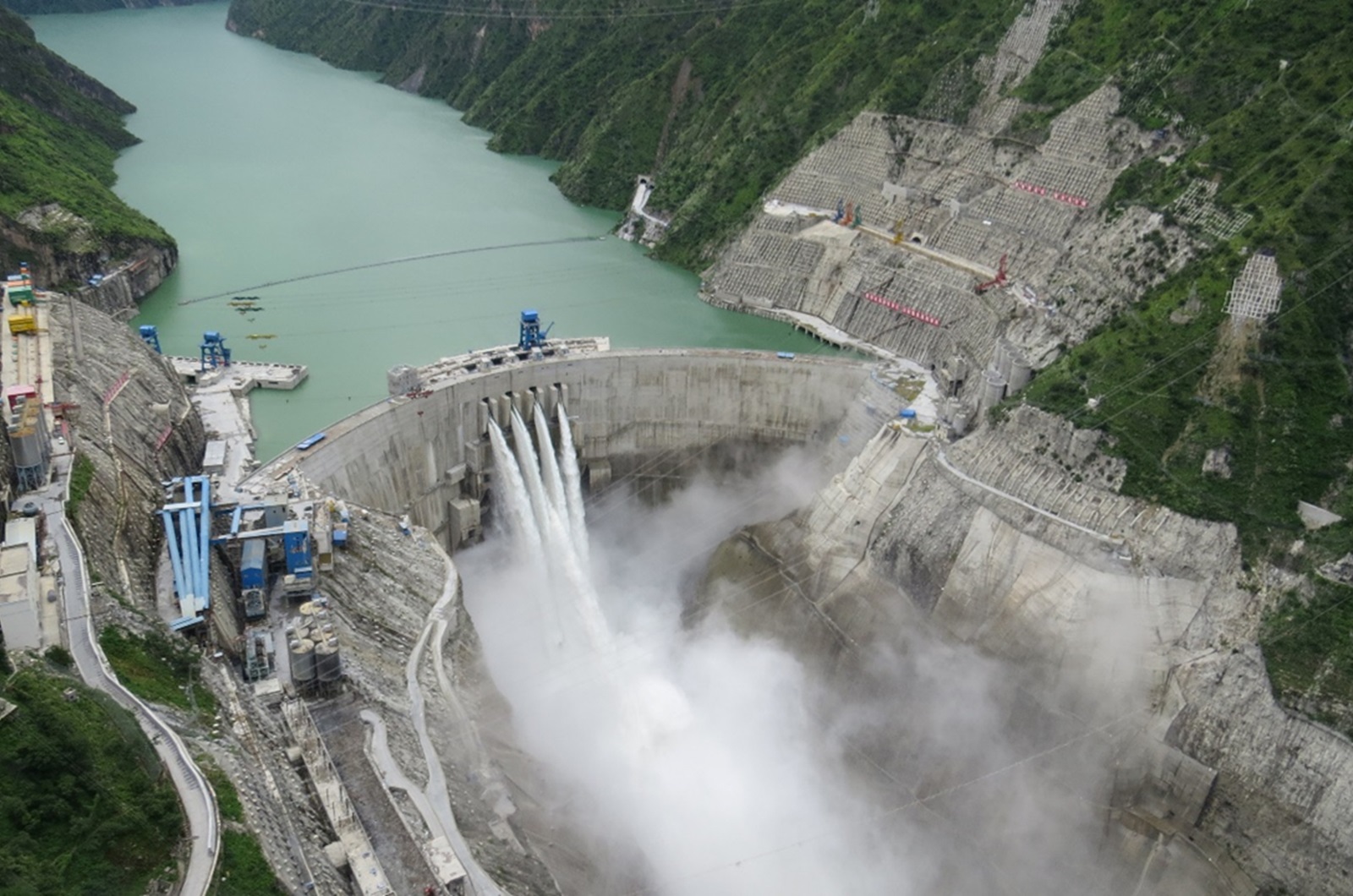
The Jinpingshan Tunnel in southwest China is not open to the general public. Instead, it provides access to the Jinping Dam, one of the highest dams in the world. Due to its location in a geologically active area and security concerns, access to the tunnel is restricted. The tunnel reaches a depth of 2375 metres and was constructed using a blind heading method, where both ends were dug simultaneously.
Zhongnanshan Tunnel, China – 11.21 miles (18.04km)
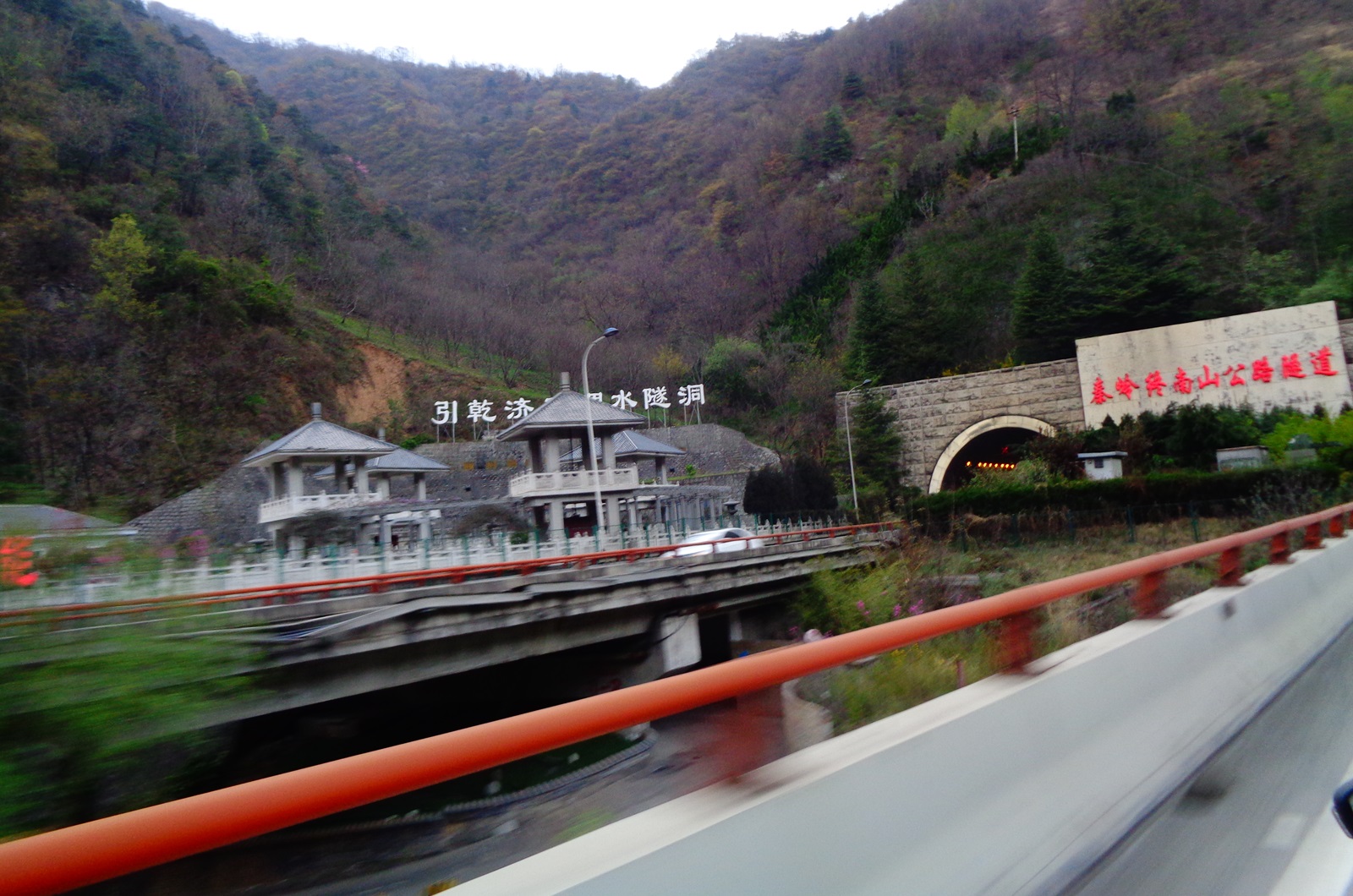
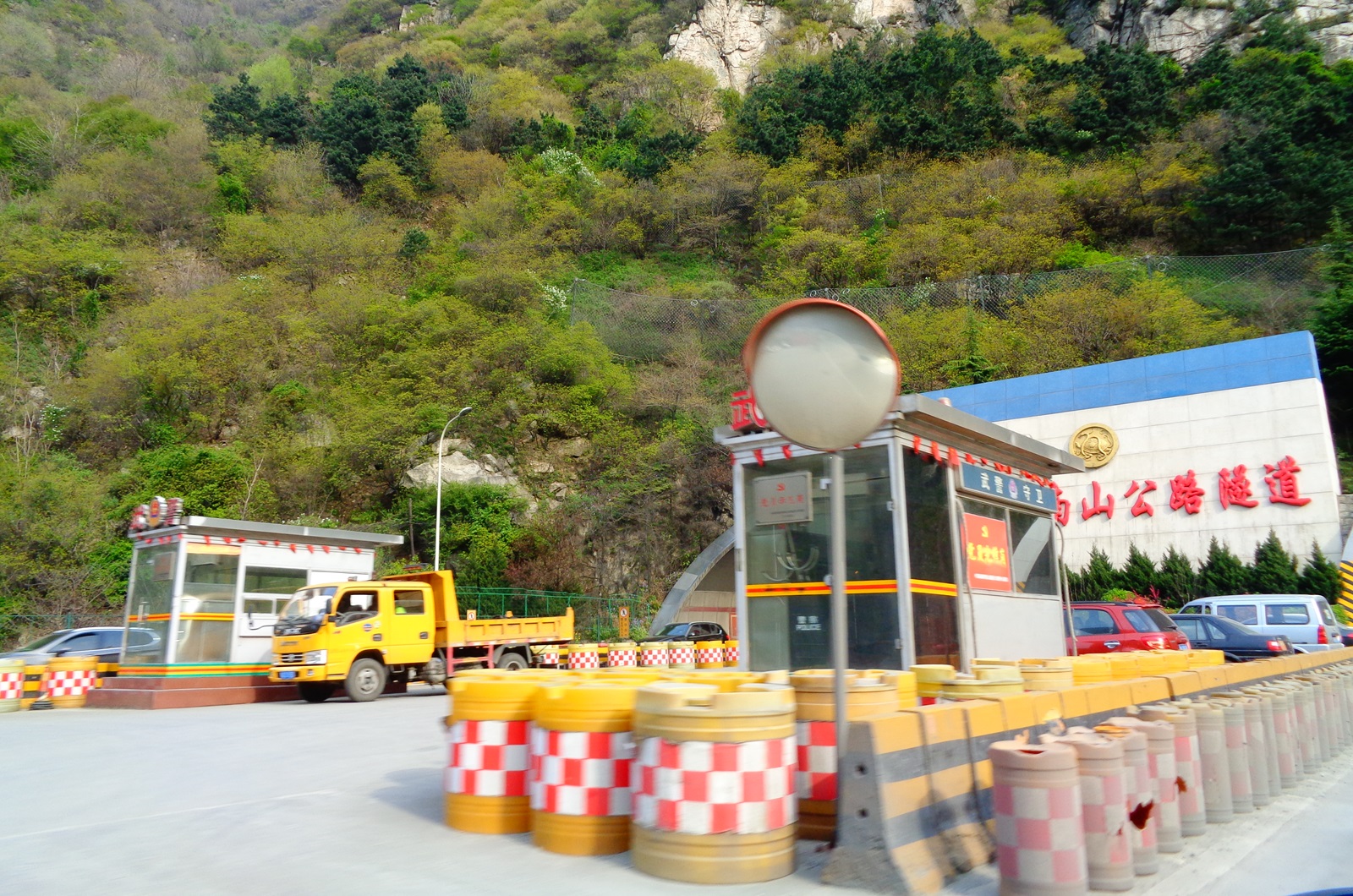
The Zhongnanshan Tunnel is one of the deepest in the world, reaching a maximum depth of 1640 metres. It was the longest tunnel in Asia when it opened in 2007. The tunnel has three ventilation shafts and features different coloured lights and artificial plants to keep drivers alert. It cost around 3.2 billion Chinese Yuan to complete and is known for its advanced design and safety features.
Yamate Tunnel, Japan – 11.3 miles (18.20km)
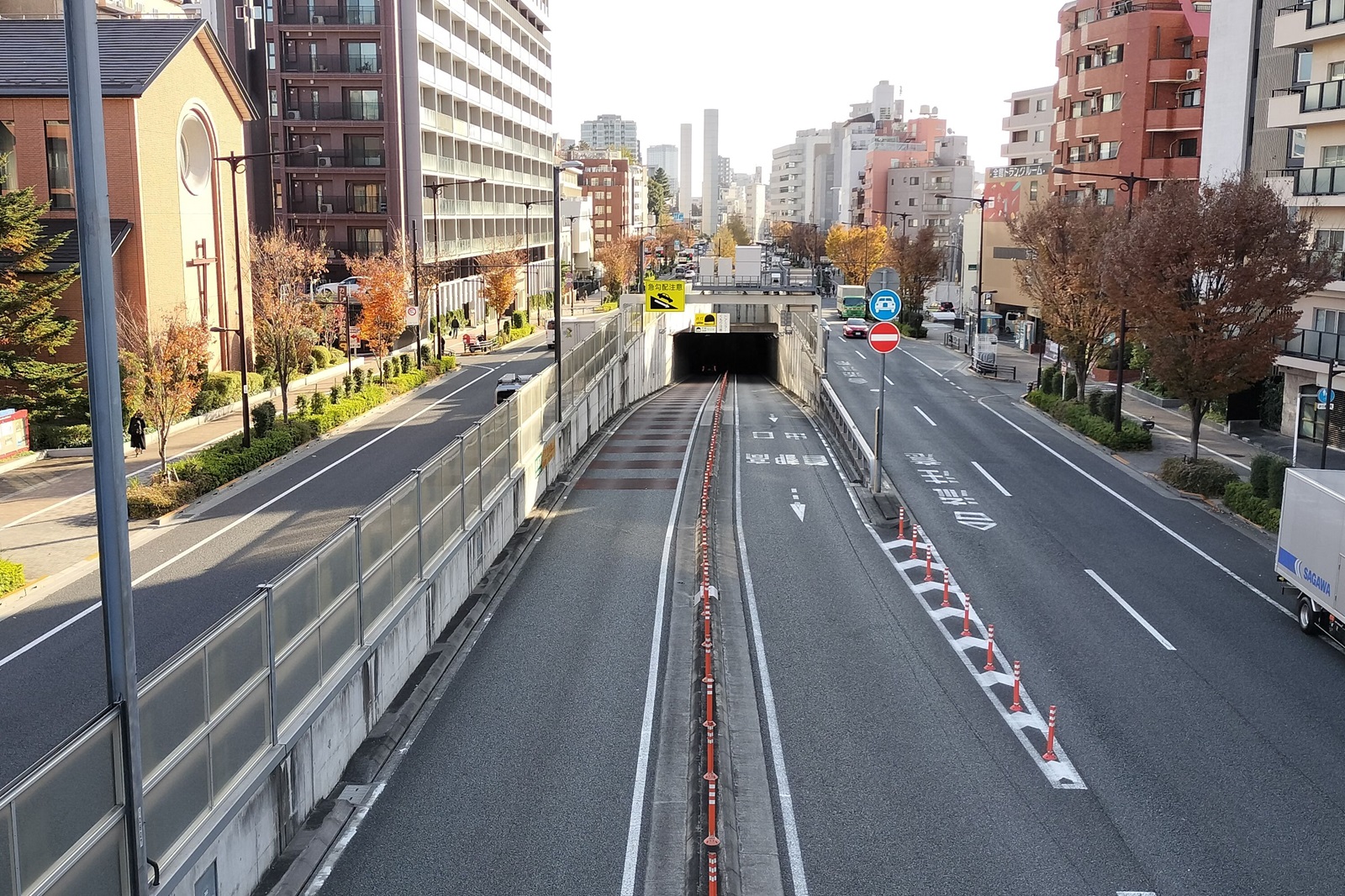
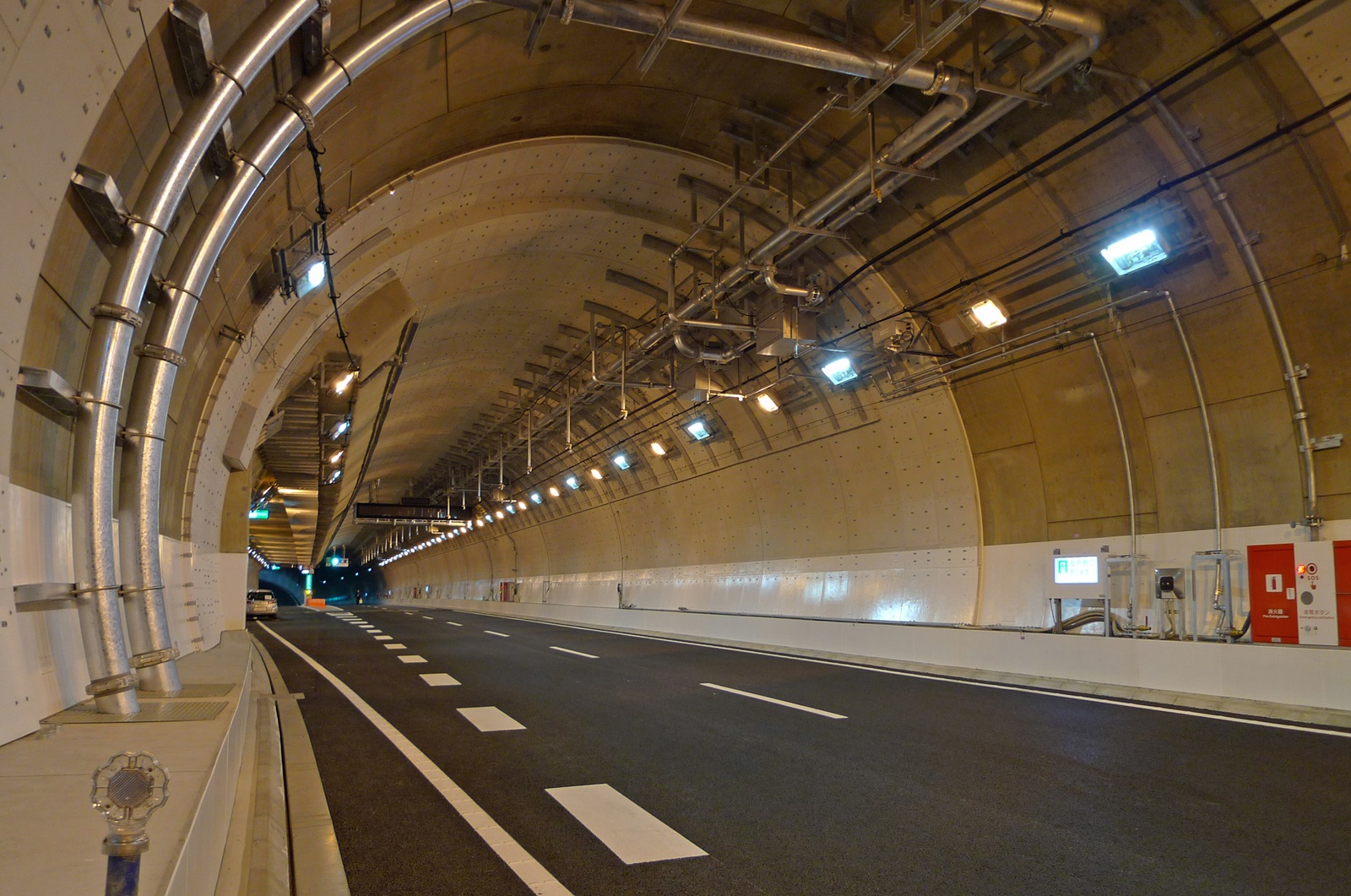
The Yamate Tunnel in Tokyo is the longest urban tunnel in the world. It stretches 11.3 miles beneath the city and passes as deep as 30 metres below the surface. The tunnel took 15 years to complete due to environmental concerns and resident objections. Each of its two 11-metre diameter tubes has emergency telephones every 100 metres and a filtration system to manage air quality.
WestConnex, Australia – 13.67 miles (22.0km)
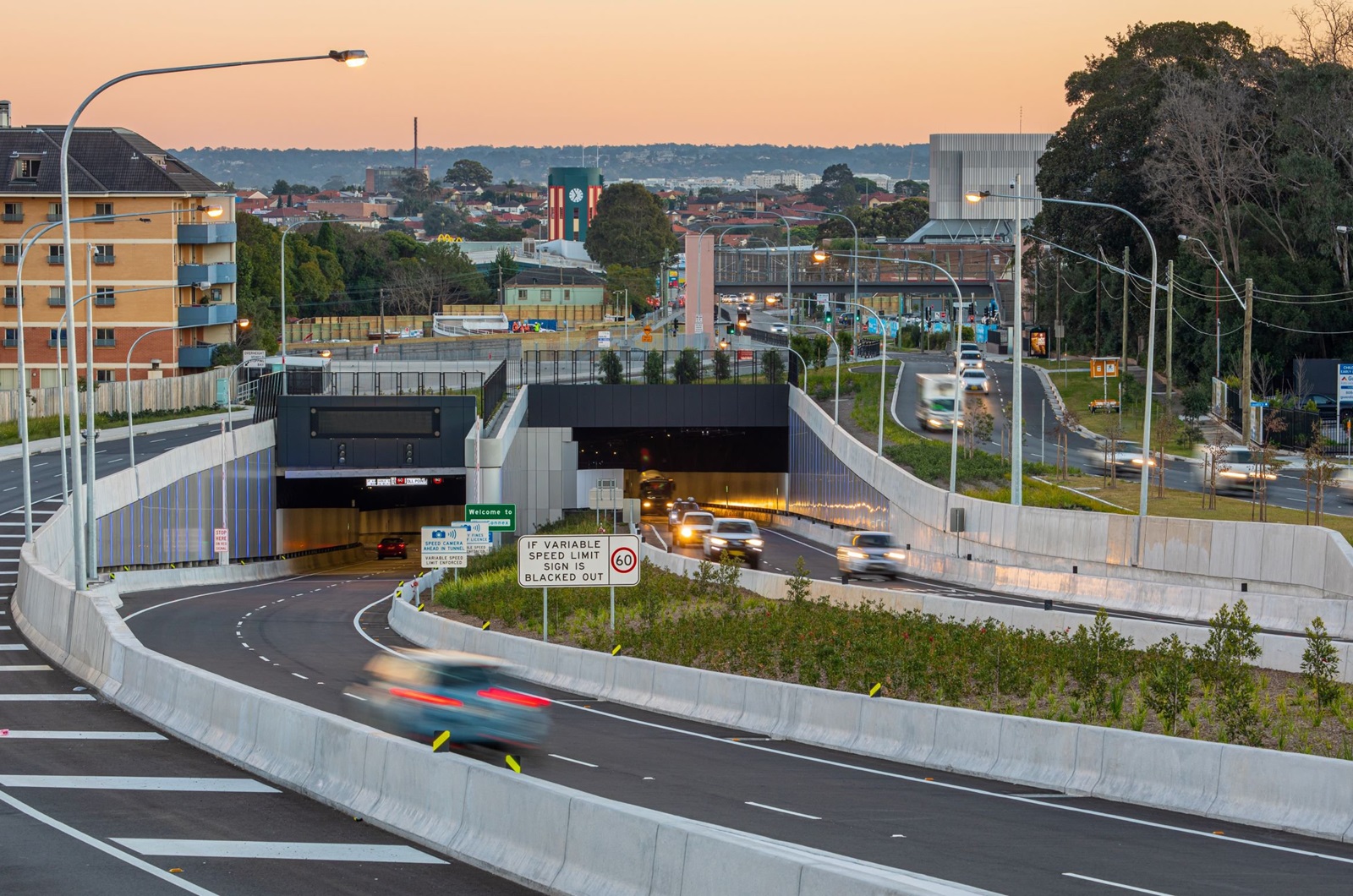
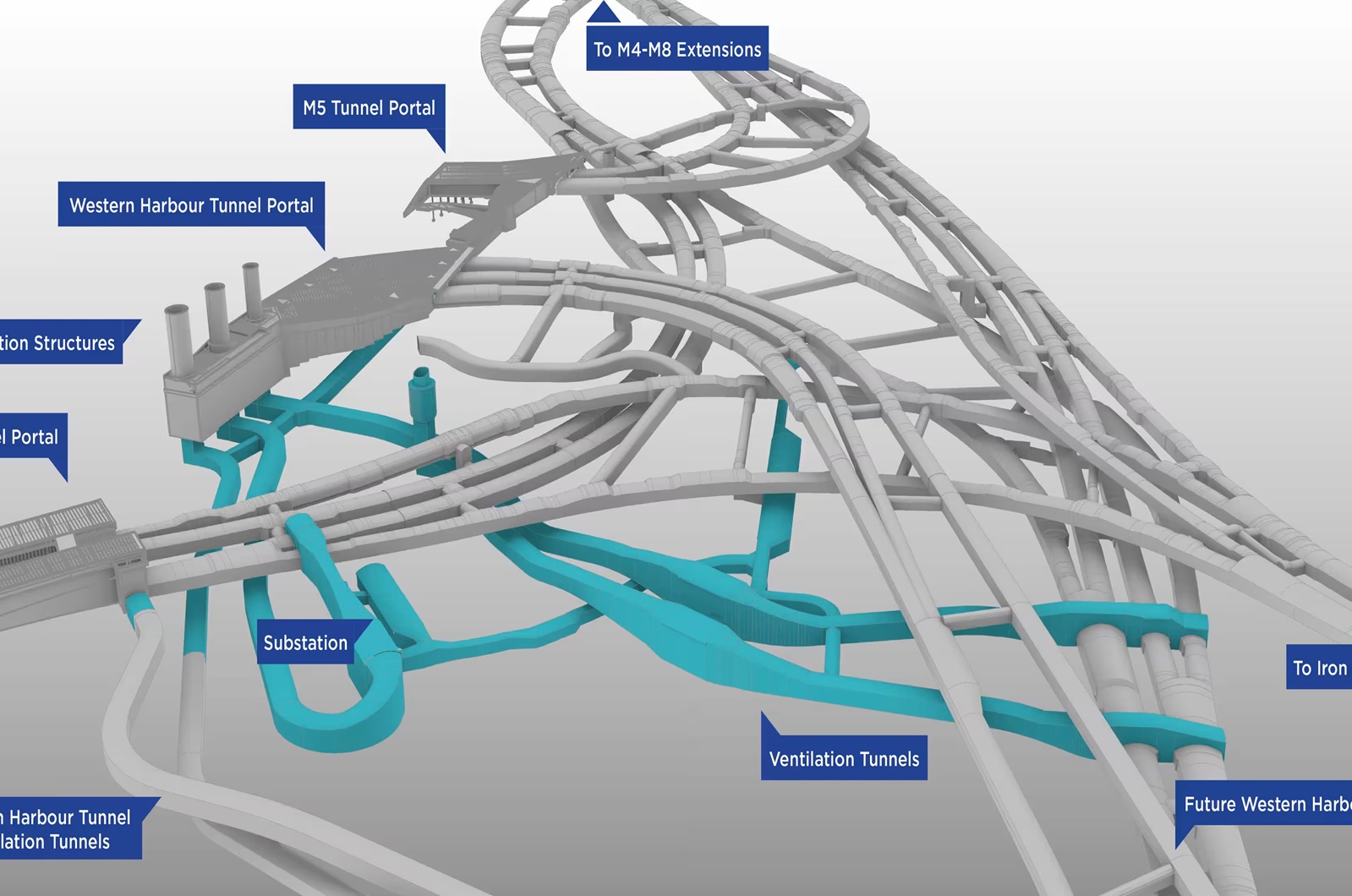
The WestConnex Tunnel in Sydney is the largest road infrastructure project in Australia. Completed in November 2023, it is part of a 20.5-mile motorway designed to ease congestion. The tunnel is the longest underground stretch of public road in the country and cost approximately A$10 billion to build. It is expected to contribute A$22 billion in savings through reduced travel times and improved reliability.
Lærdal Tunnel, Norway – 15.23 miles (24.51km)
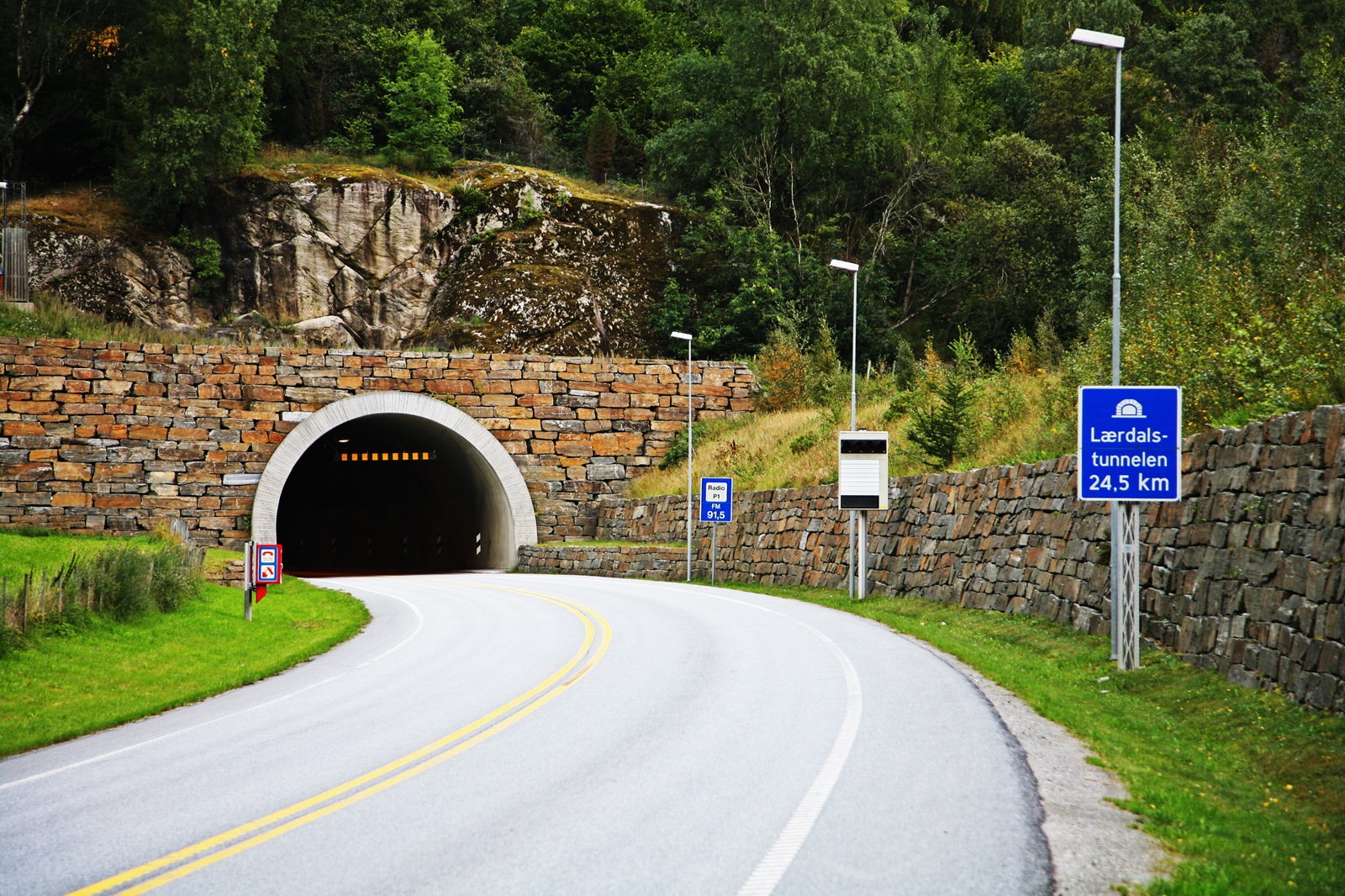
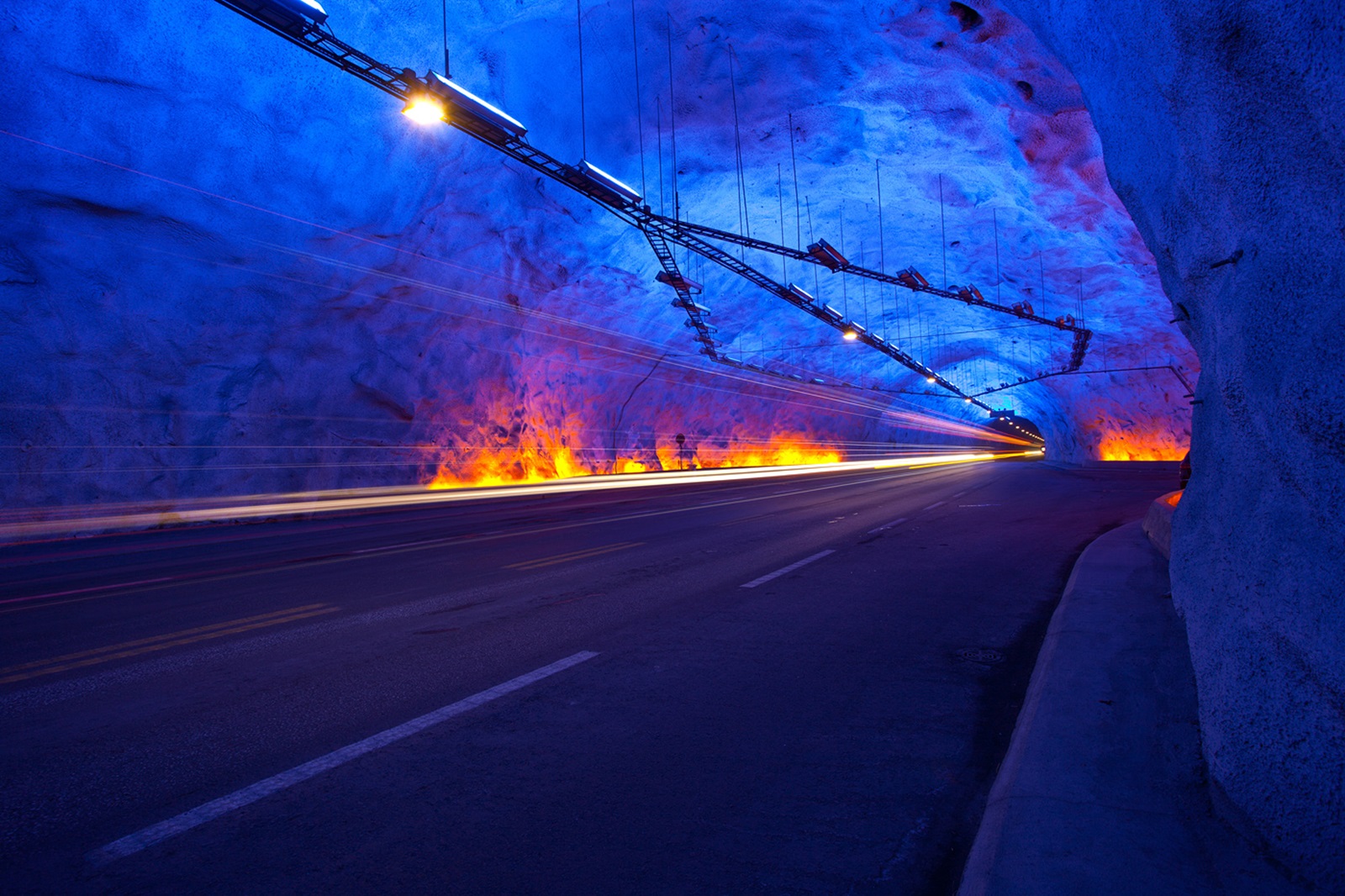
Topping the list is the Lærdal Tunnel in Norway, the longest road tunnel in the world at 15.23 miles. Built between 1995 and 2000, it connects Lærdal and Aurland. What makes this tunnel unique is its straight design and remote location, which results in low traffic volume. To combat monotony, the tunnel is divided into four sections with large caves featuring blue and yellow lighting to mimic a Norwegian sunrise. Police cameras monitor speeding to ensure safety.









Discussion about this post