


The Rise of the Japanese Automakers
Starting from scratch in the car-making industry offers a unique advantage. It allows for fresh perspectives, avoiding past mistakes and the constraints of tradition, while assessing the commercial landscape with a rational approach. This was particularly evident in the Japanese motor industry during the late 1960s and early ’70s. Rather than simply learning to walk before running, the Japanese leveraged their lack of tradition to observe what worked and what didn’t, both in terms of product and industrial practices.
Simple, dependable, and well-made cars emerged as the focus, designed to serve the end user rather than satisfy engineers’ egos. While some models were characterless, tinny, and poorly styled, customers were willing to overlook these shortcomings if the price was right and the product was reliable. This marked the birth of the car as a consumer durable, akin to “white goods” today, where individuality was sacrificed for mass appeal. The formula proved successful: build them simple, build them bland, but build them well.
The key to success was producing large quantities. When supplies from rival firms dwindled, often due to strikes, Japan could step in with immediate delivery in a full range of colors. From its first, faltering steps barely a decade earlier, Japan became a formidable threat, poised to dominate a market that was ready for change due to its own arrogance and complacency. As with cameras, motorcycles, and transistor radios, Japanese automobiles, once clumsy and unappealing, became increasingly acceptable by the turn of the decade, even desirable in some cases.
While these cars may have lacked in certain areas of styling and technical finesse, they made up for it with high standards of finish, equipment, and value for money. The world was ready for them, which was crucial since most of the two million cars built annually (with a 30% increase each year) were for export, not the domestic market, where roads were still inadequate.
While companies like Nissan and Toyota focused on value, Toyo Kogyo, the company behind Mazda, took a different approach. It embraced the rotary engine, making a name for itself despite being a smaller player. By purchasing the rights to build the Wankel engine from NSU in 1961, Mazda’s engineers developed a working prototype before the first units arrived. Their production motors were more dependable, less thirsty, and more powerful than the originals.
Mazda aimed to capture the attention of automotive connoisseurs and taste-makers, not just cost-conscious buyers. While it continued to produce unremarkable piston-engined cars like the Mazda 1000 and the Bertone-styled 1500/1800 saloon, it also introduced the futuristic-looking 110S Cosmo, a rotary-engined sports car that was handbuilt and expensive. However, to make the rotary engine more accessible, Mazda introduced the R100.
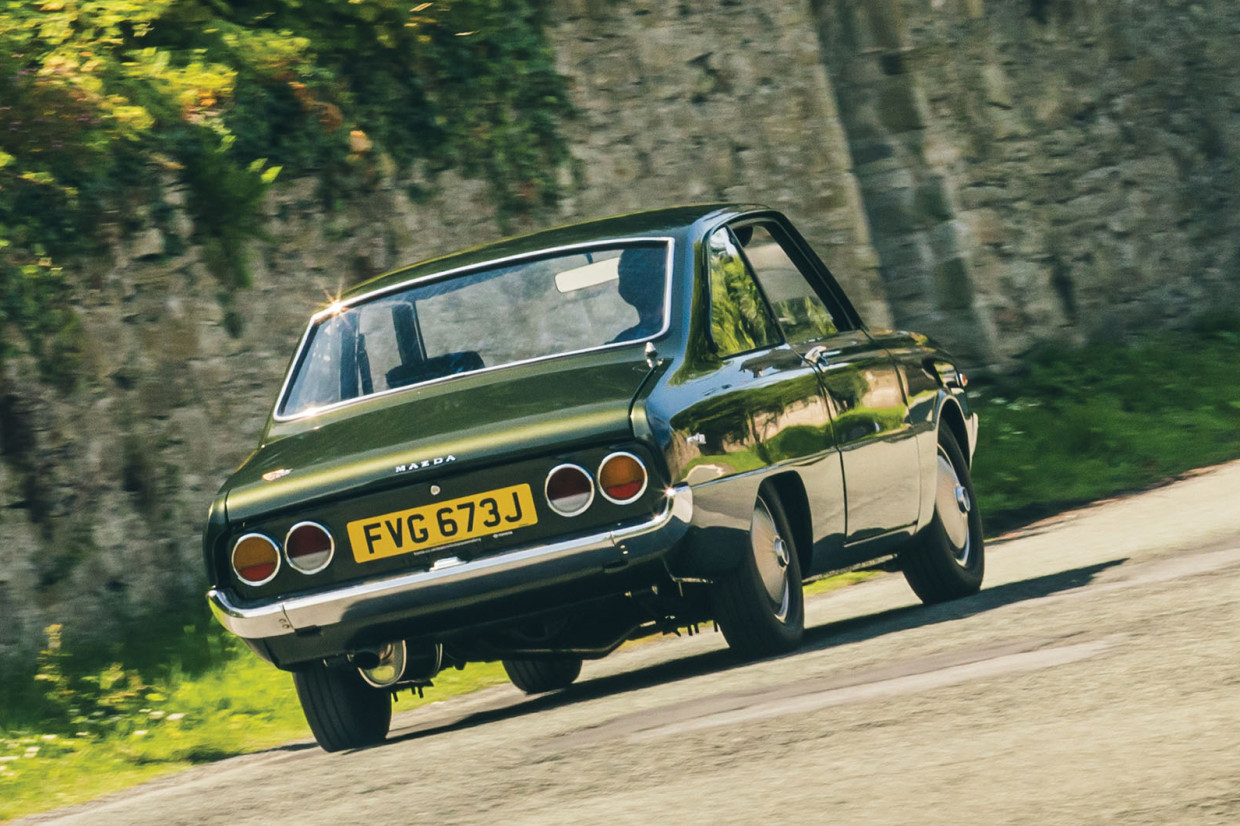
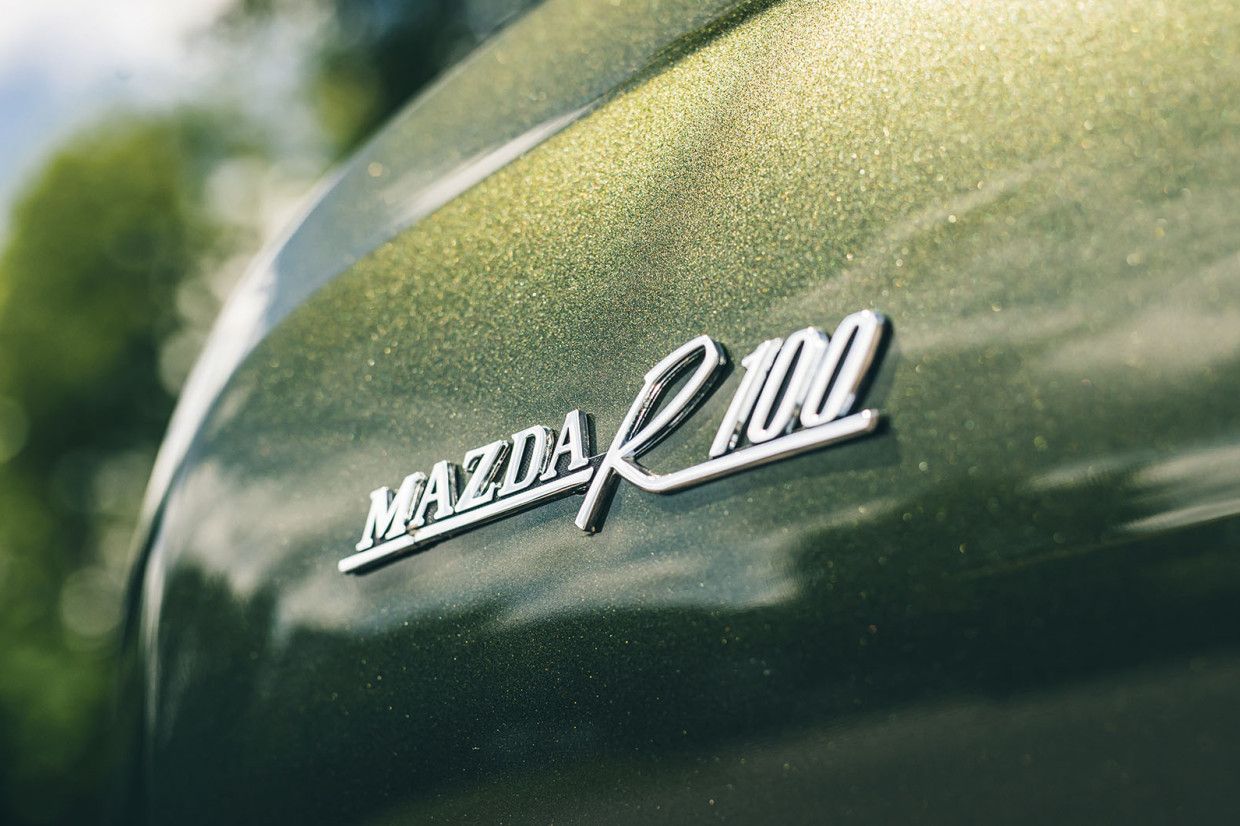
Launched in 1968, the R100 was based on Mazda’s second-generation Familia and was an interim model between the exclusive Cosmo and the mass-produced RX-2/RX-3/RX-4. It featured a twin-rotor 100bhp engine and was available in both coupé and four-door forms. It ran on larger wheels, disc brakes, and a bigger fuel tank, making it suitable for export.

The R100’s success was bolstered by its performance in endurance events. In 1969, it won several races, including the Grand Prix of Singapore and Suzuka All-Japan Grand Cup. Its architecture was similar to its piston-engined sibling, featuring a steel monocoque body, front MacPherson struts, and a leaf-sprung live rear axle. Standard features included a toolkit, an inspection light, and a rev-limiting device.
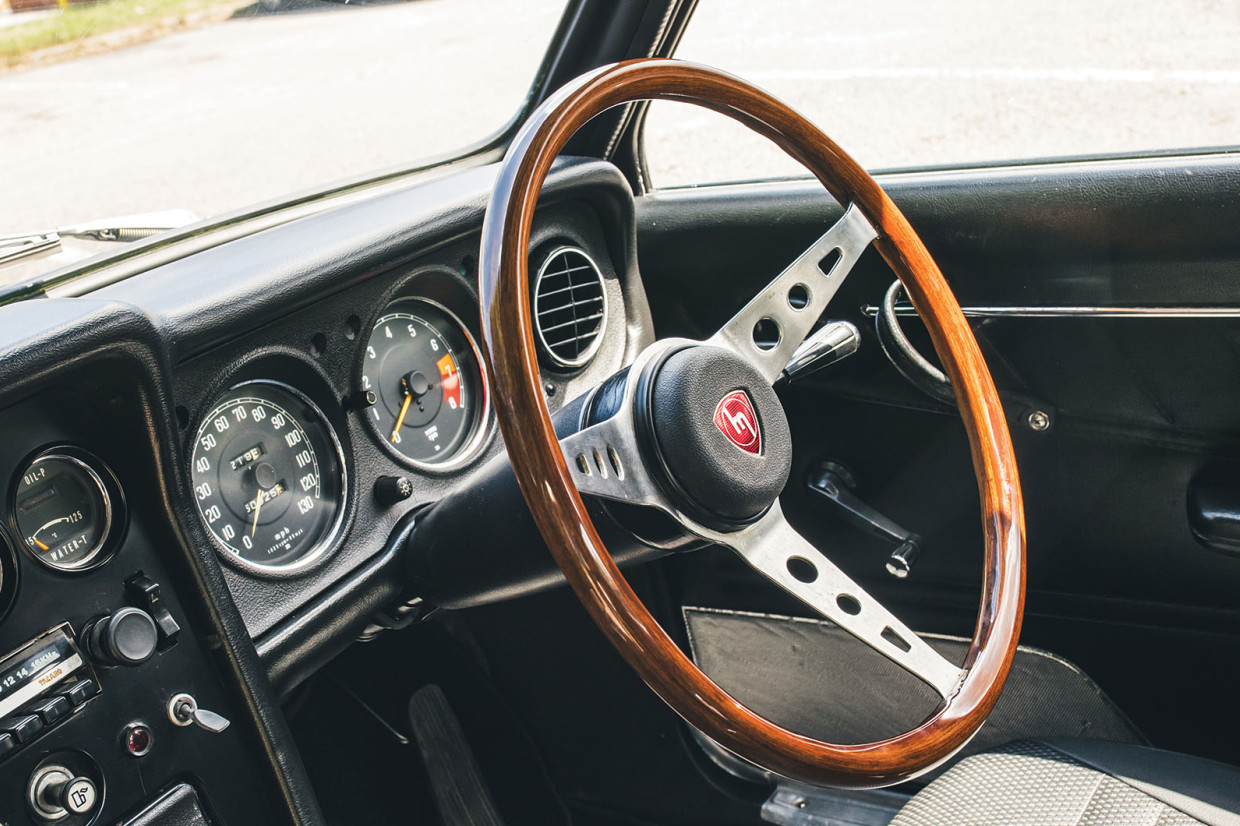
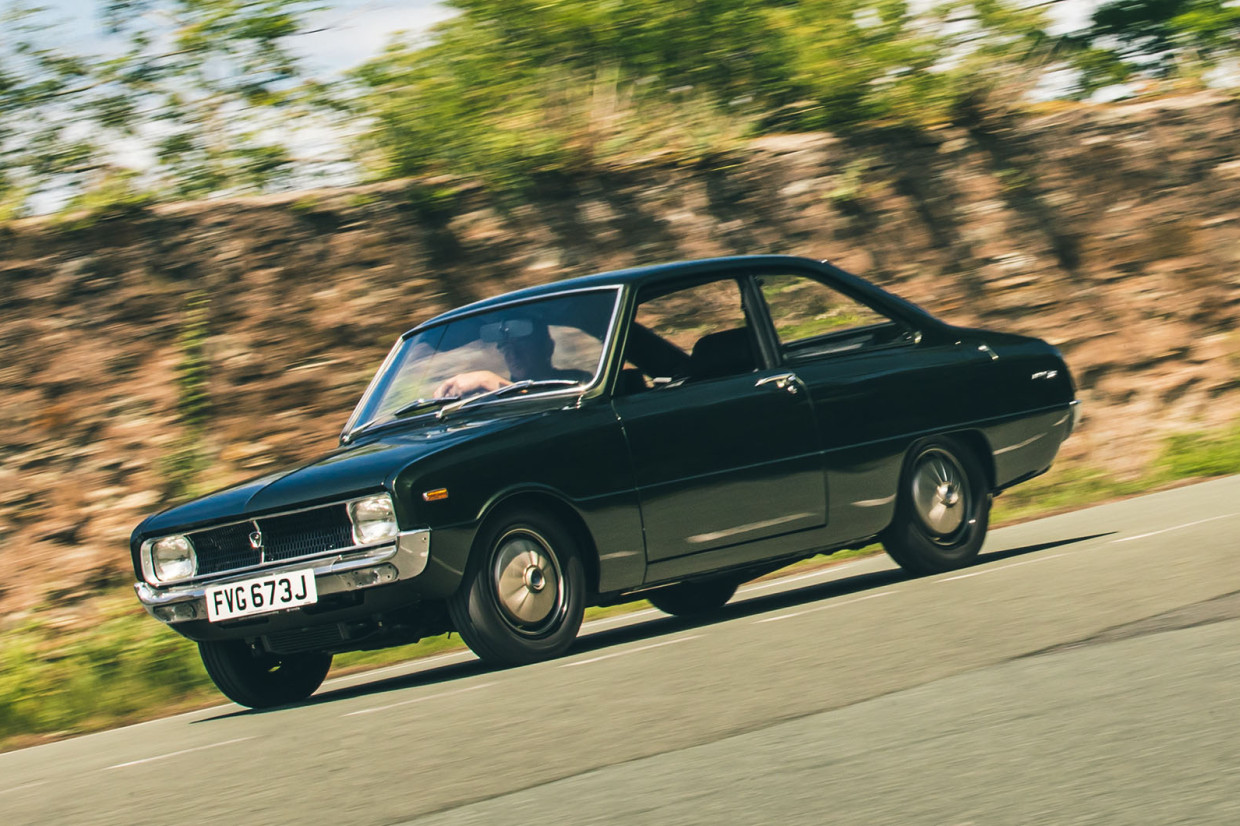
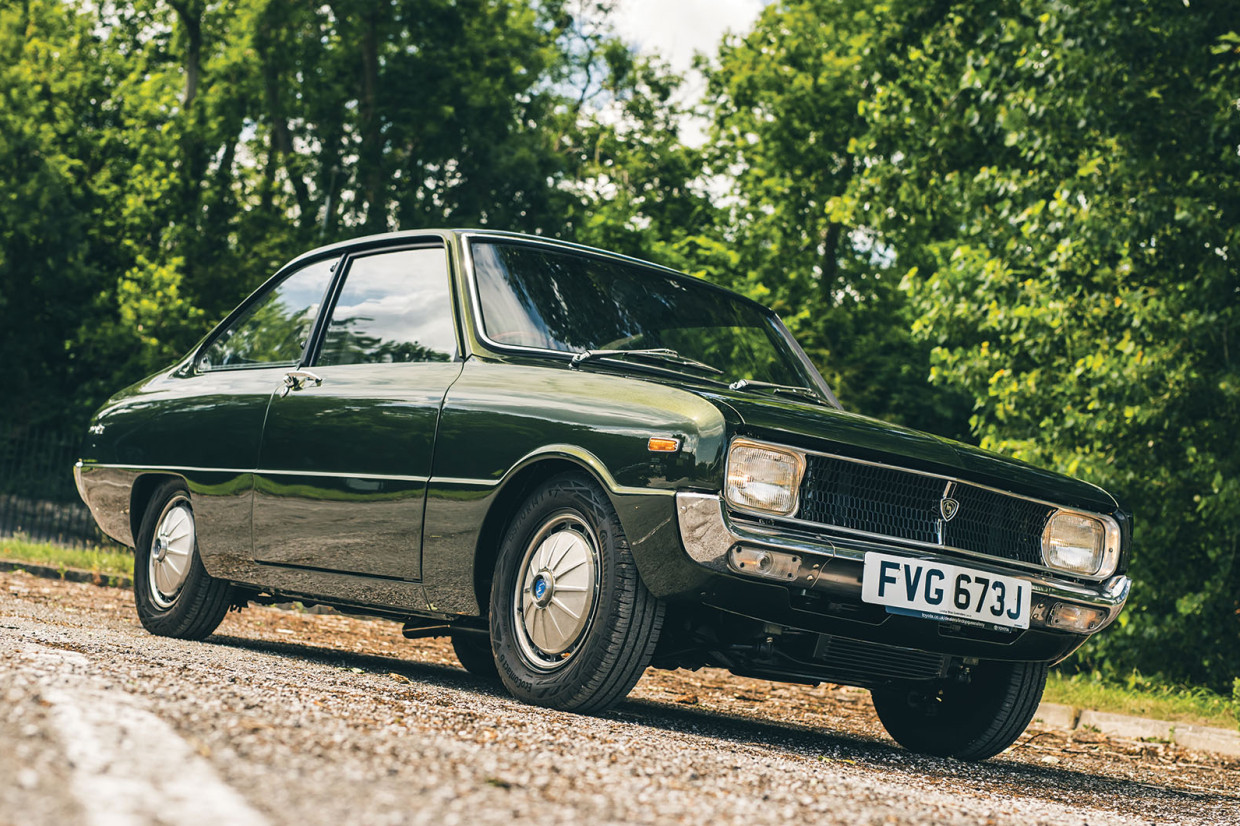
In its original four-speed form, the R100 was lighter than the Cosmo and could reach 60mph in second gear, 80mph in third, and up to 112mph flat-out. At a relaxed 100mph cruise, it pulled 5250rpm but only achieved about 14mpg. One example, FVG 673J, was shown at Race Retro in 2025 after a thorough rebuild by Silver Fern Performance.
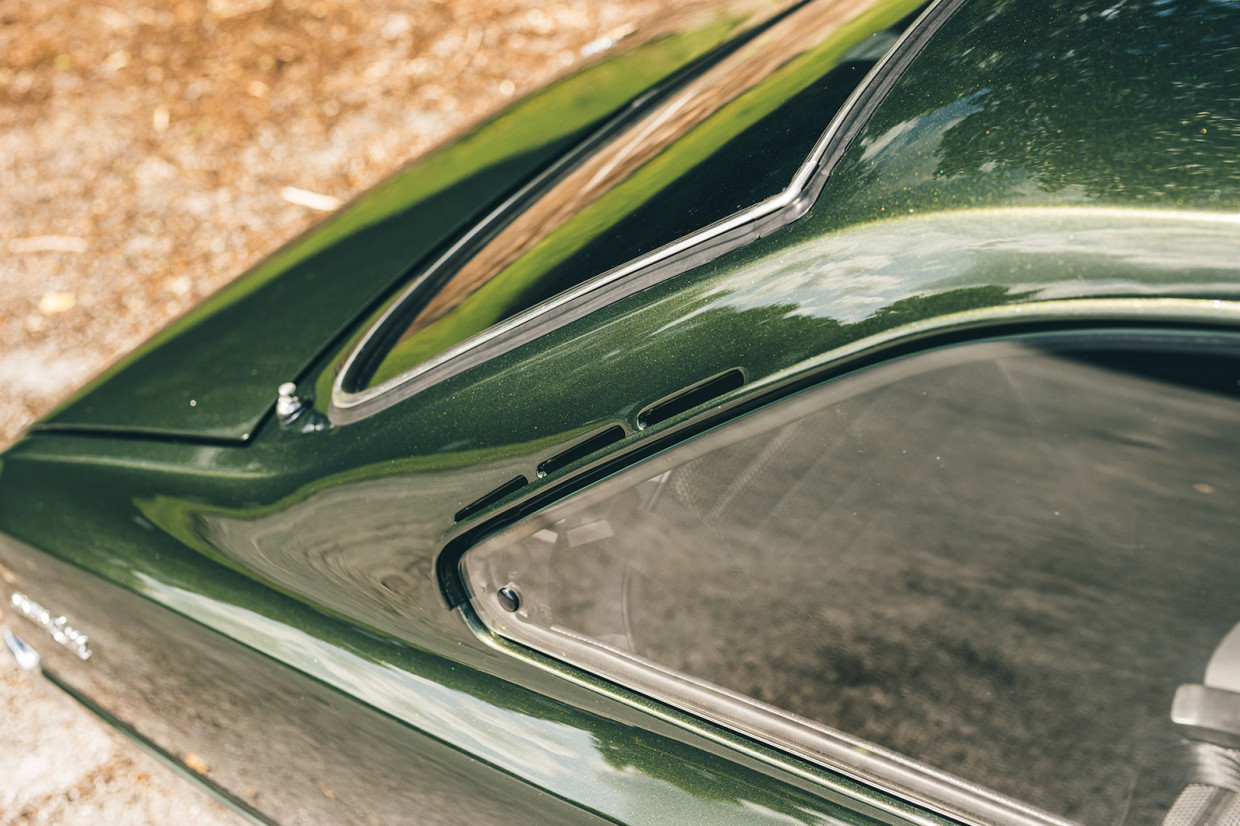
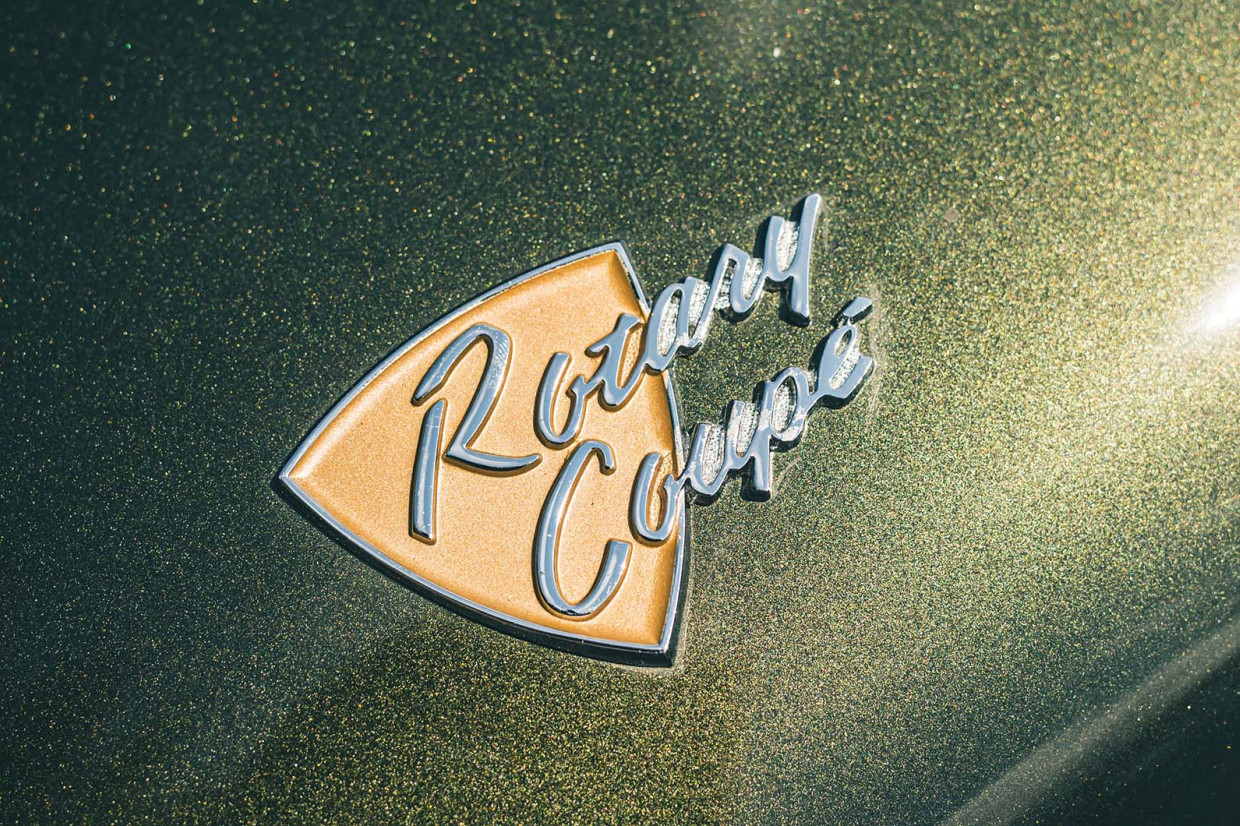
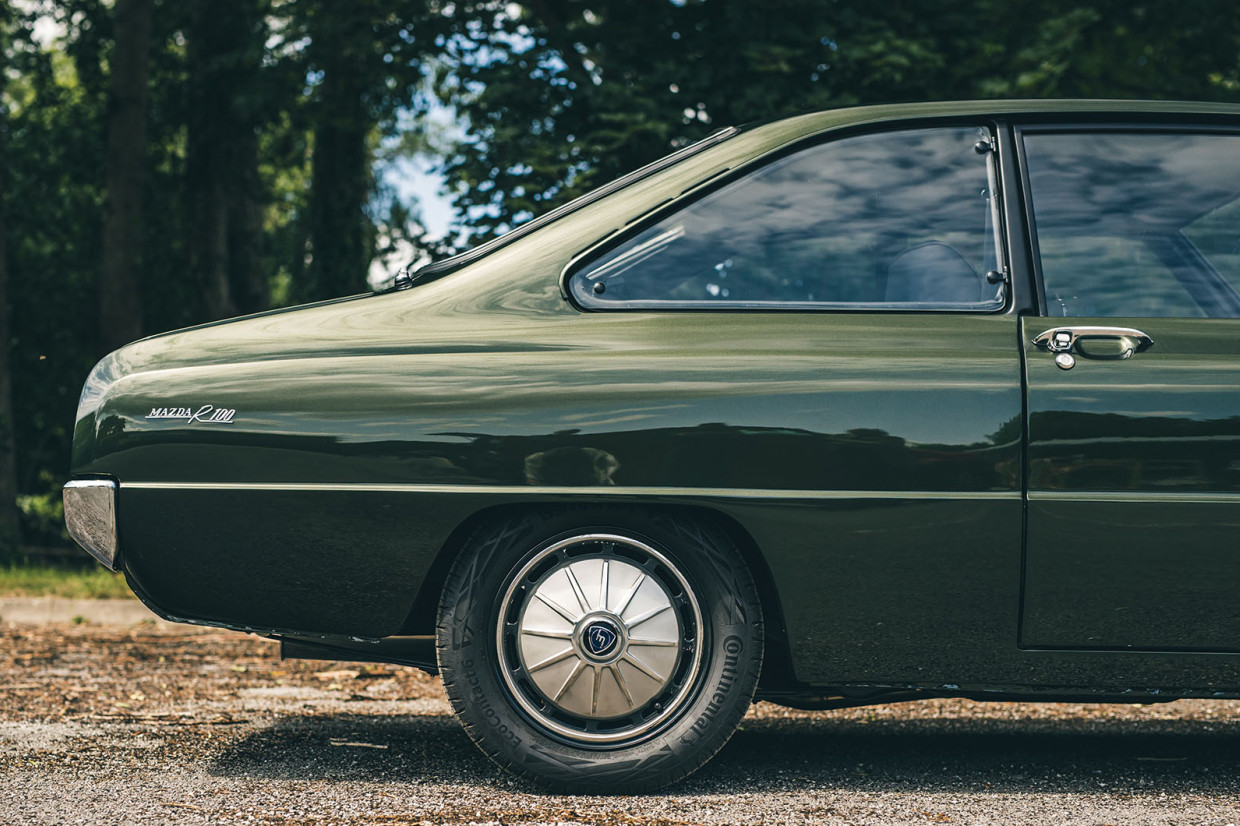
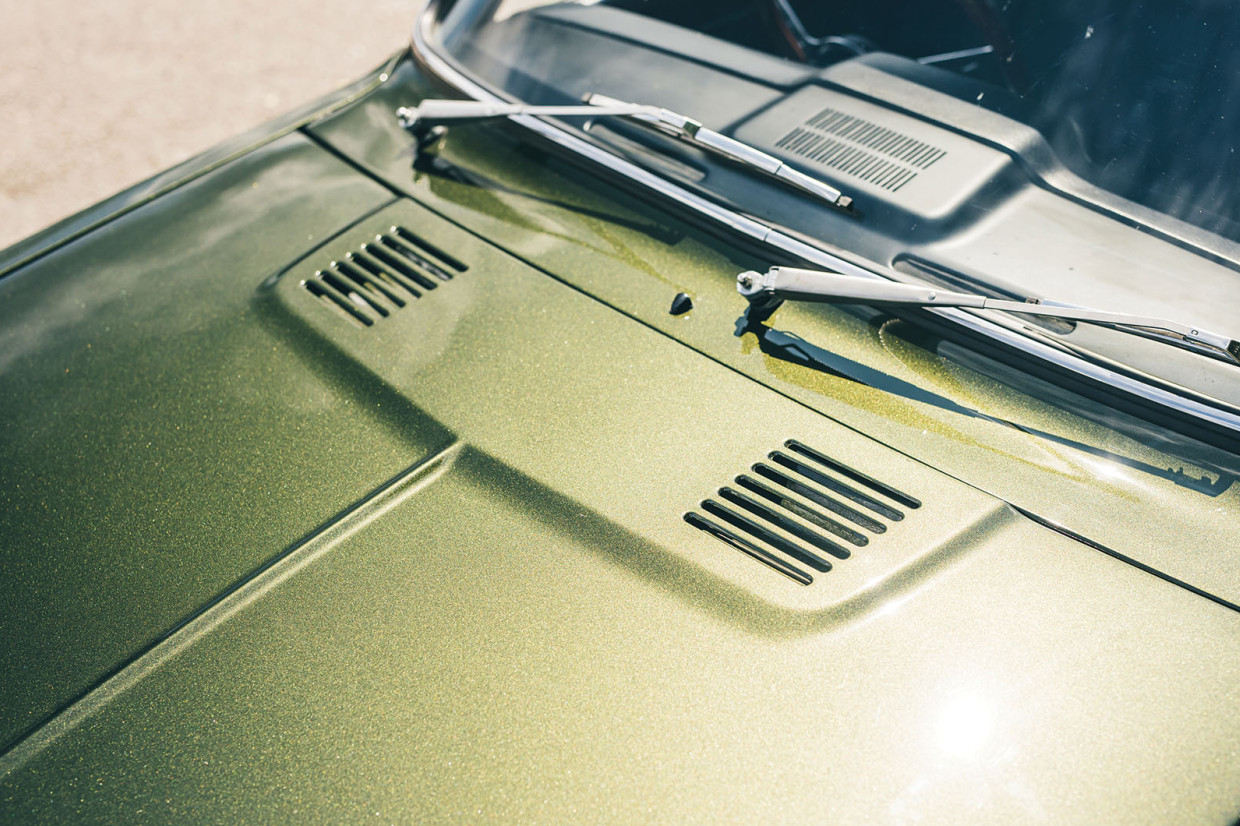
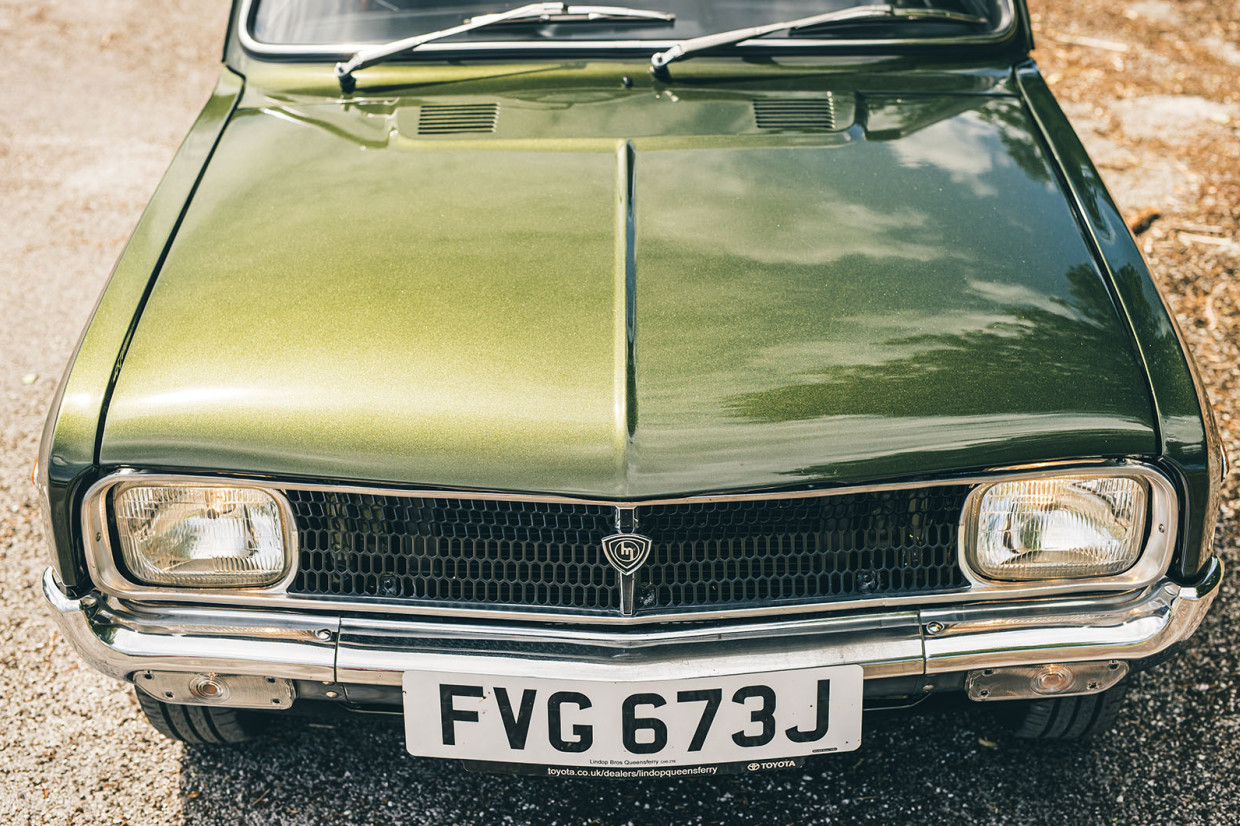
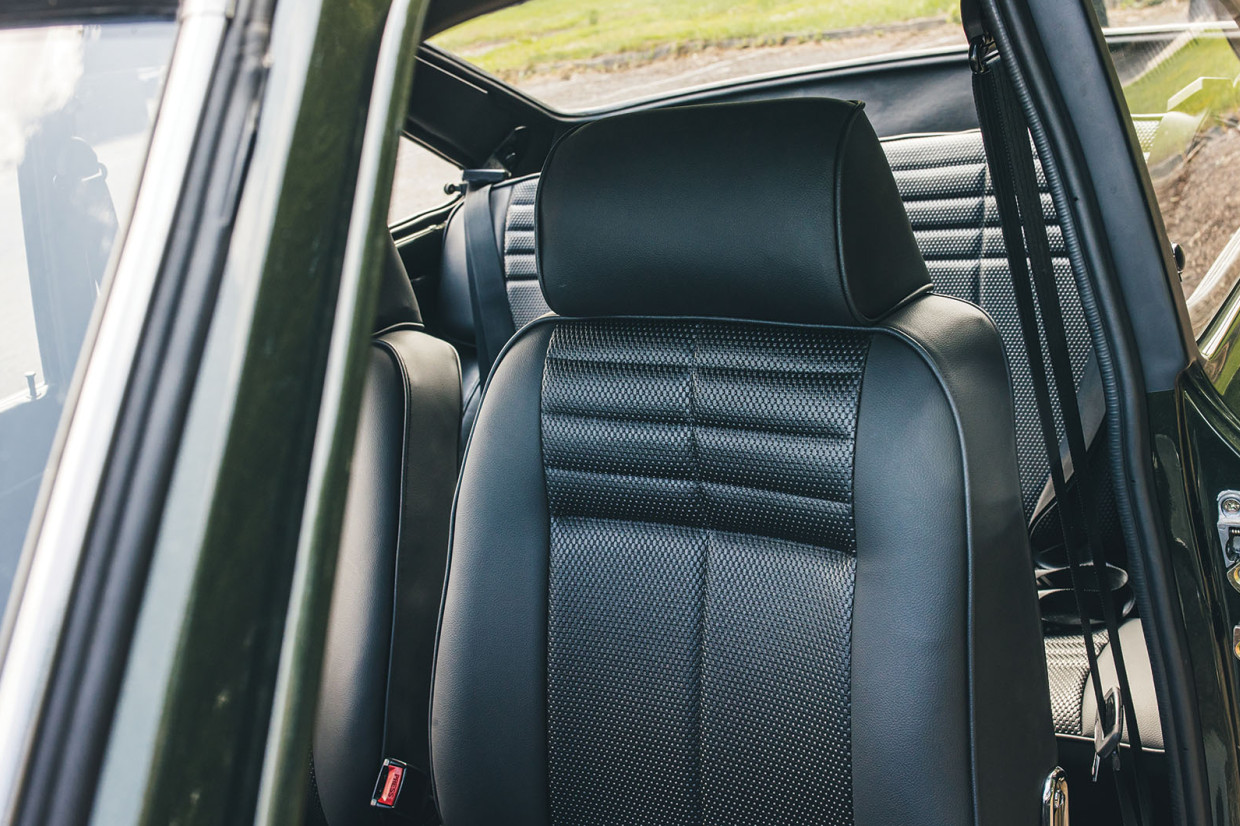
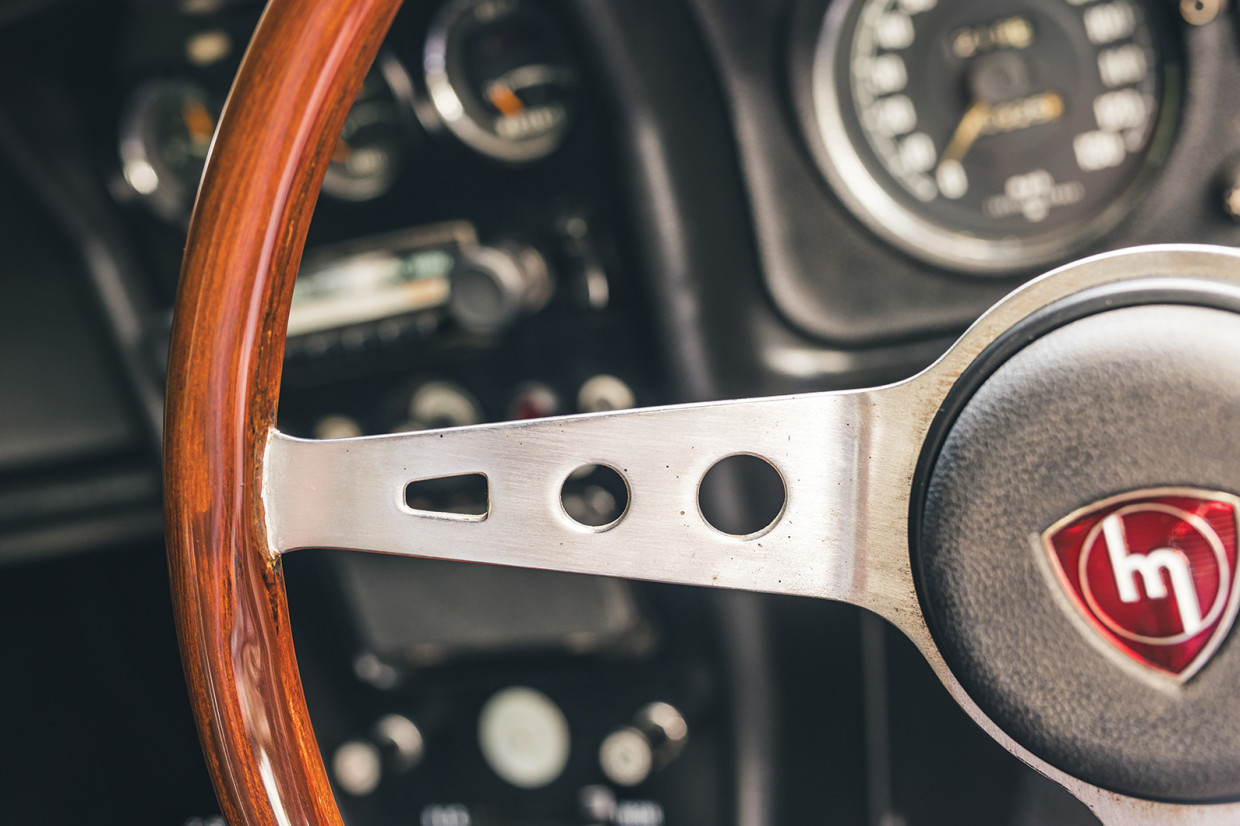
The restoration involved collaboration between owner Ryan Theodore and Dwayne Aislabie, with most communication taking place over WhatsApp. The car received a dark-green paint job, a rustproofed bodyshell, and subtle enhancements that respected the original concept without compromising its character.
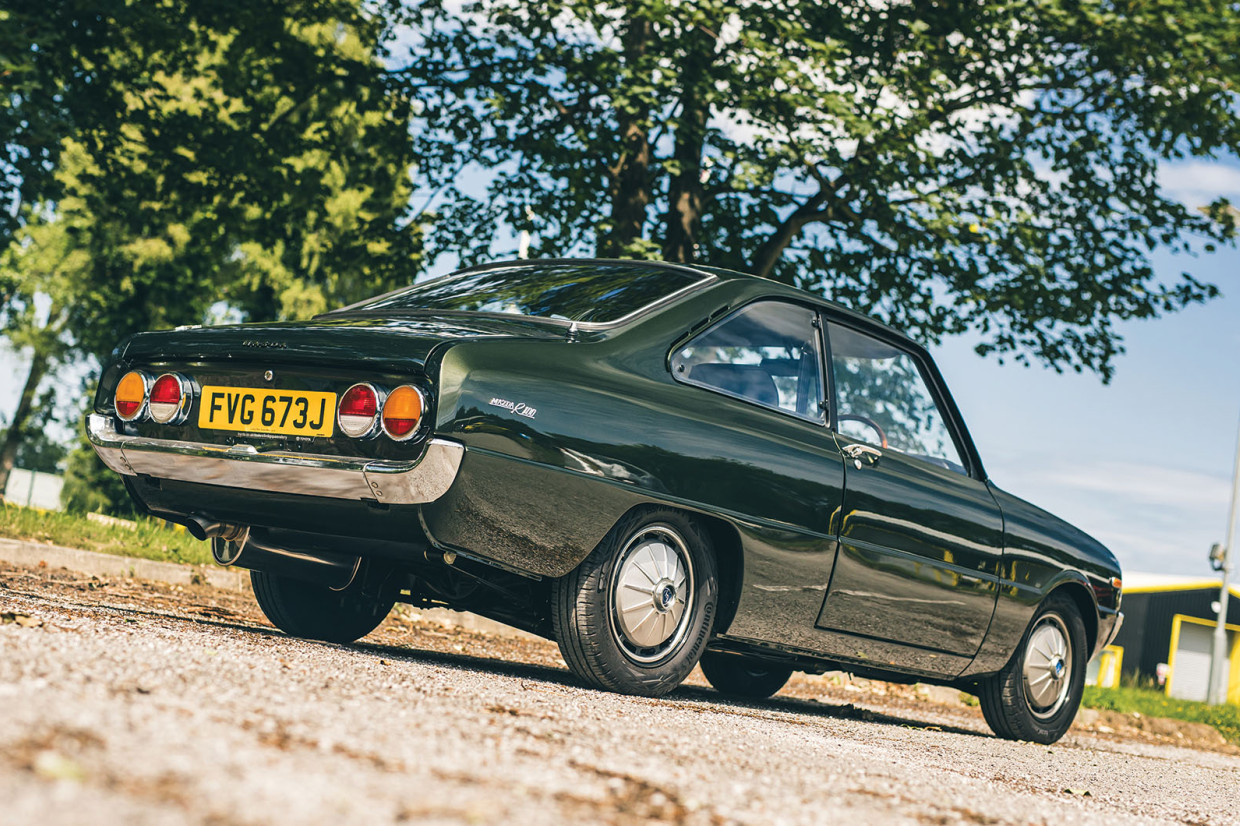
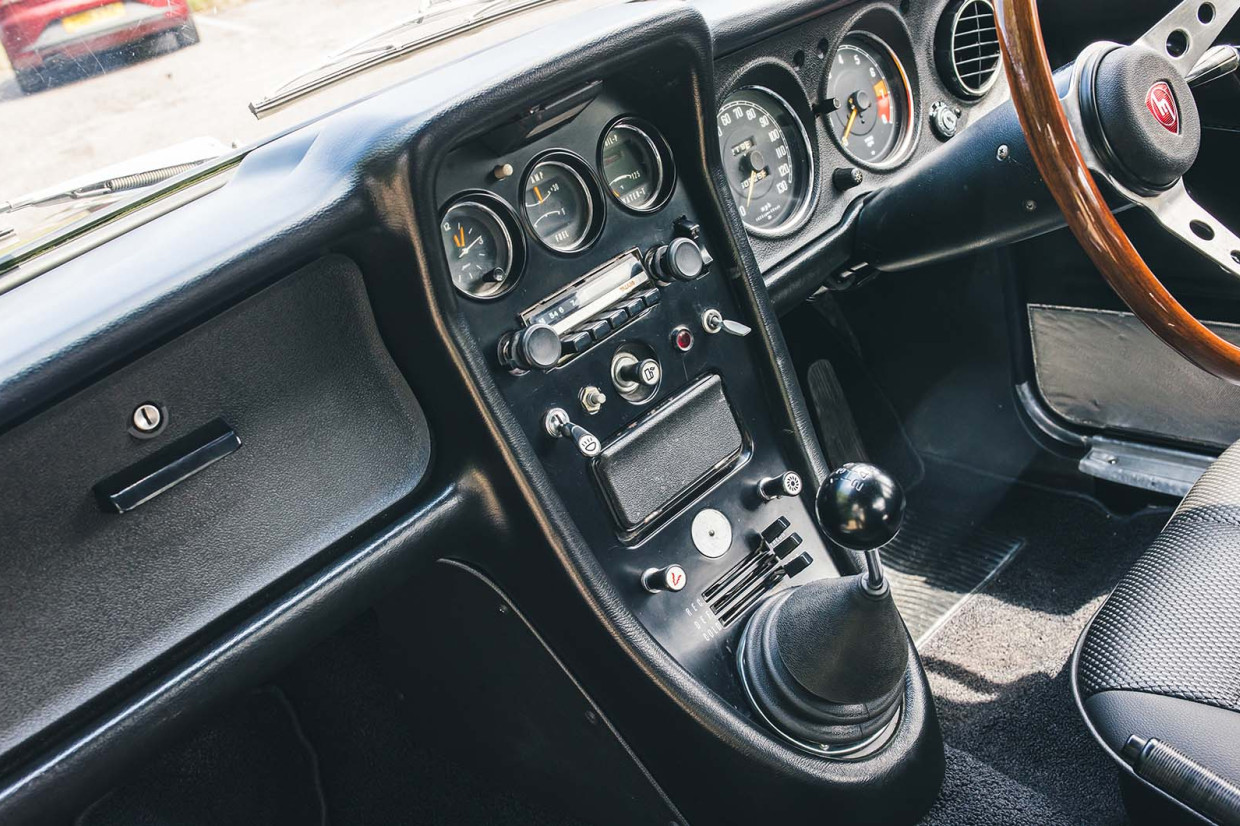
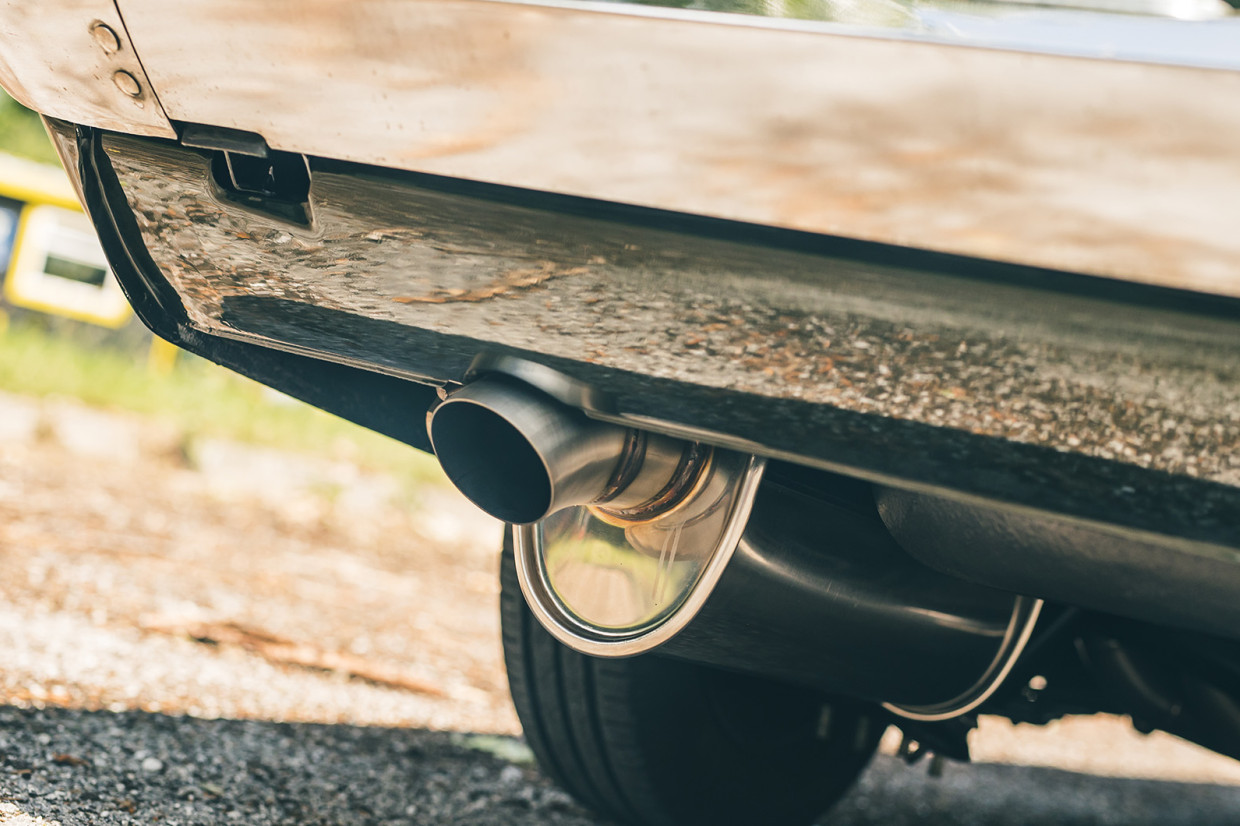
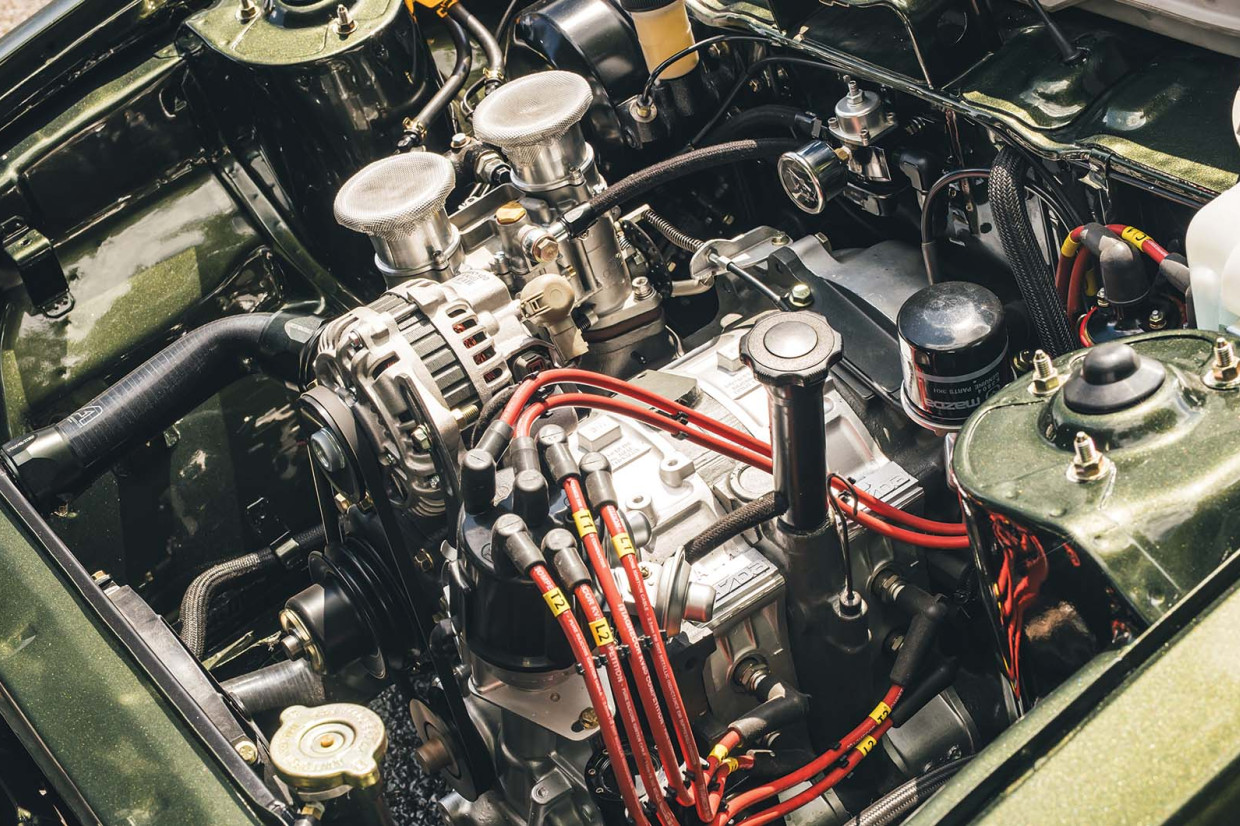
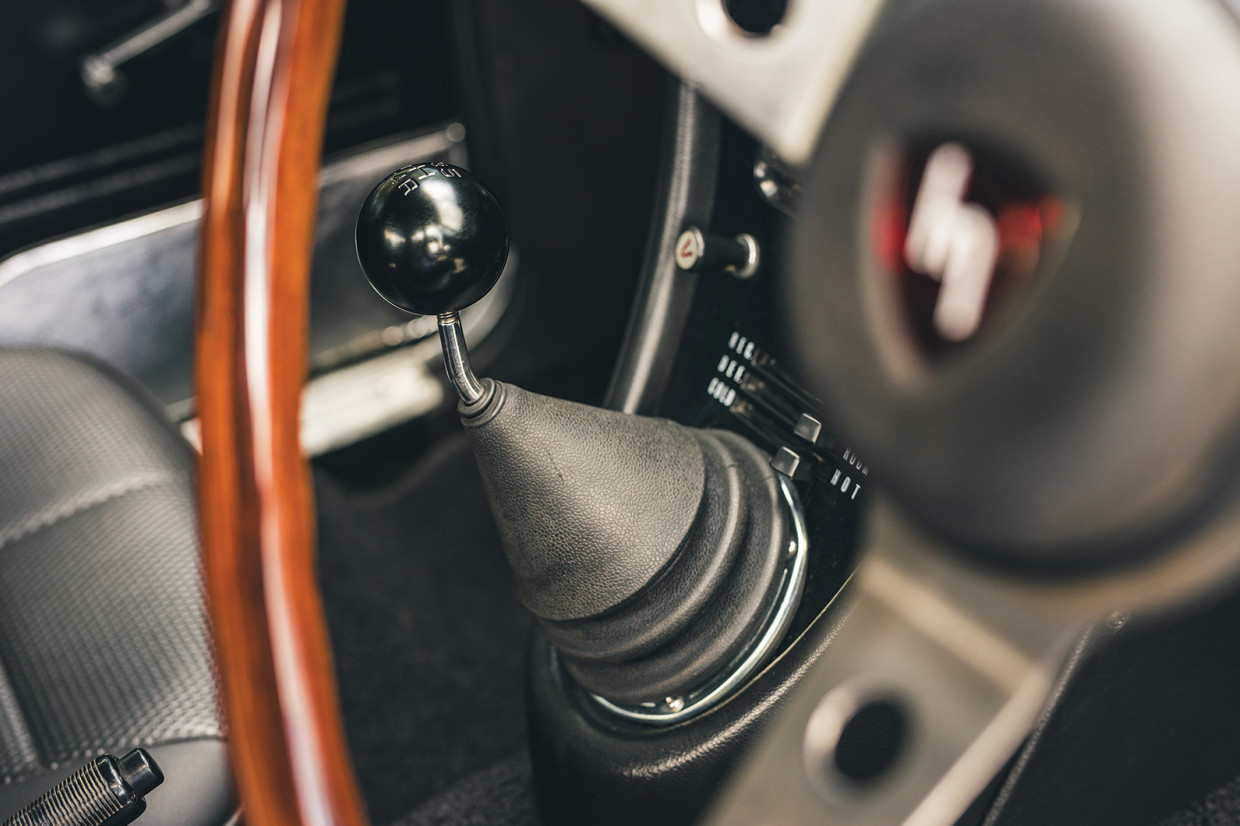
The engine was upgraded to a bridge-ported 12A with RX-7 housings, modified exhaust ports, and enlarged inlet tracts. Other modifications included a five-speed gearbox, rear discs, and a modern alternator. The car retains its original four-speed gearlever and has improved handling and braking.
Despite its small size, the R100 is nimble and powerful, with a smooth and balanced driving experience. Its slender build and precise gearshift make it feel agile, and the brakes are strong and well-balanced. While it may not be a hot rod, it handles well and delivers impressive performance.
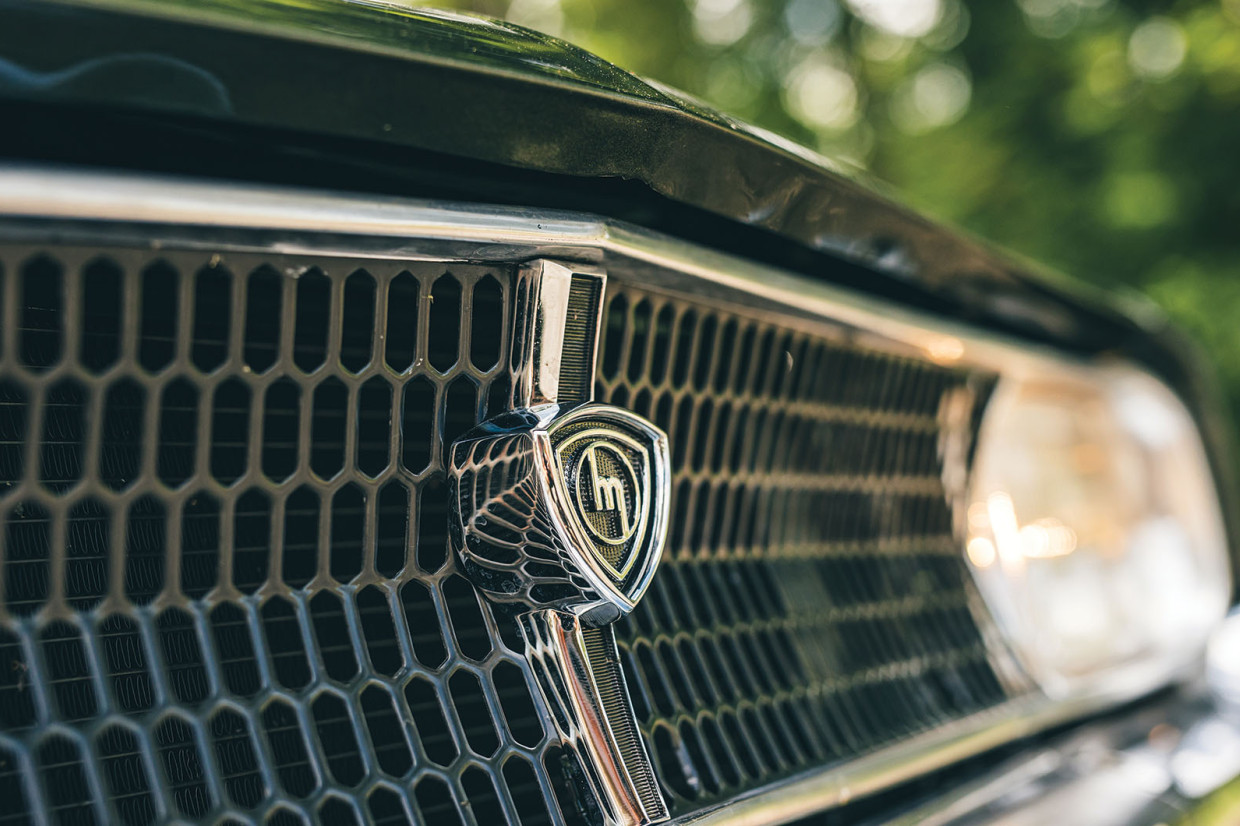
Today, the R100 is rare, with only a few known to exist in the UK. It was introduced in North America in 1971-’72 and had a modest impact in the UK, where it faced stiff competition from other models. Despite its rarity, the R100 remains a significant part of Mazda’s history and a symbol of its innovative approach to car manufacturing.
The R100’s specifications include a 982cc twin-rotor Wankel engine, a four-speed manual transmission, and a steel monocoque body. It had a top speed of 108mph and a fuel economy of 18-21 mpg. Priced at £1650 when new, it was a competitive option in its class.
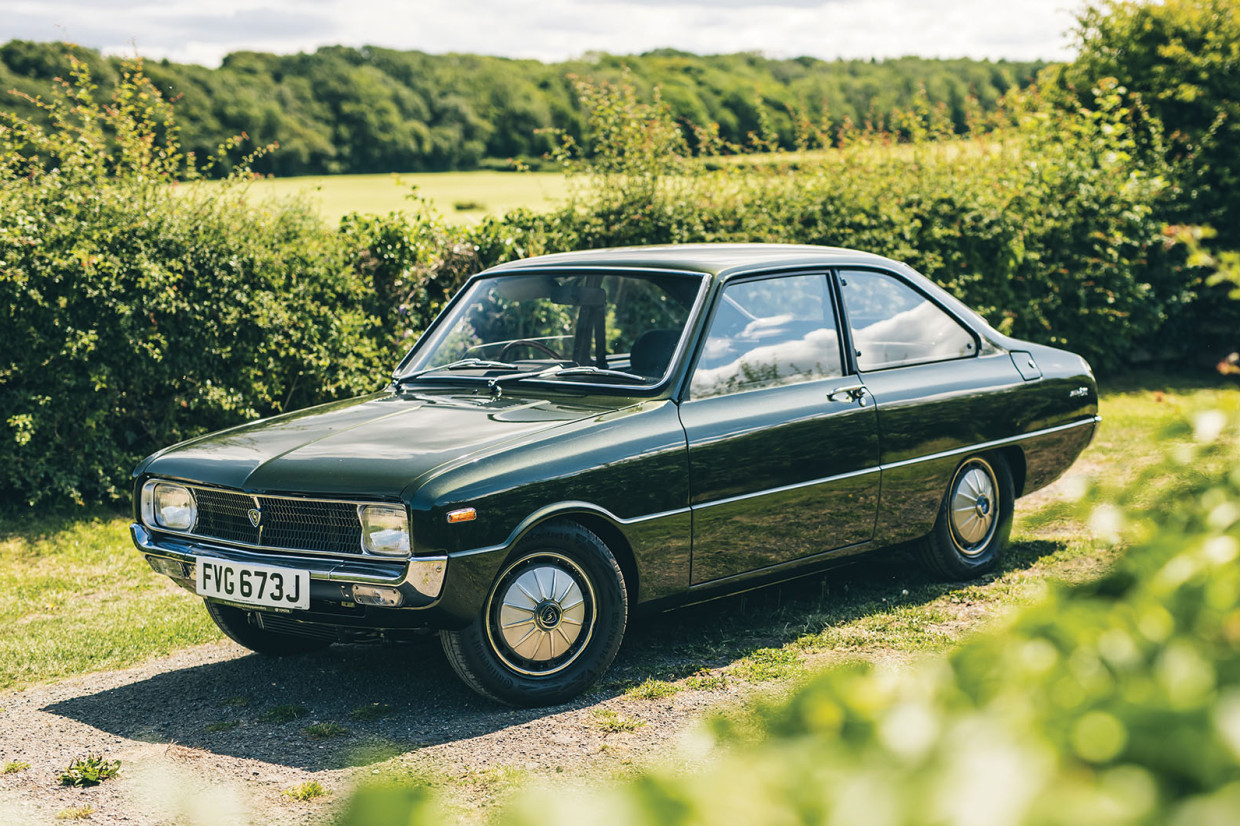
With its unique design and performance, the R100 represents a pivotal moment in Mazda’s history. It helped establish the company’s reputation for innovation and reliability, paving the way for future models like the RX-7. Today, it remains a sought-after classic among enthusiasts.
The R100’s legacy continues to influence the automotive industry, showcasing the potential of the rotary engine and the importance of innovation. Its story is a testament to the power of starting fresh and redefining what is possible in car manufacturing.
As we look back on the R100 and its impact, it serves as a reminder of the importance of adaptability and vision in the ever-evolving world of automotive technology.
The R100’s journey from a niche model to a celebrated classic highlights the enduring appeal of innovation and quality. Its presence on the road today is a tribute to the ingenuity of its creators and the passion of its admirers.
The R100 remains a rare and valuable piece of automotive history, cherished by collectors and enthusiasts alike. Its story is one of perseverance, creativity, and the pursuit of excellence in every aspect of design and engineering.
With its unique blend of style, performance, and reliability, the R100 stands as a remarkable achievement in the annals of Japanese automotive history. It is a testament to the vision and determination of those who dared to think differently and create something truly special.







Discussion about this post