


Fuel Tax Relief: A Double-Edged Sword for the Australian Economy?
Independent economist Saul Eslake has voiced significant concerns regarding the Australian government’s recent decisions on fuel excise, suggesting that these policies may inadvertently exacerbate inflationary pressures and prompt further interest rate hikes from the Reserve Bank of Australia (RBA). His critique highlights a recurring tension between short-term political gains and long-term economic stability.
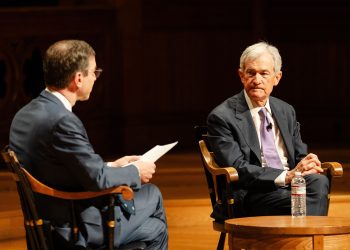
Mr. Eslake, a respected figure in Australian economic circles, articulated his reservations during an interview with Sky News Australia. He expressed a strong divergence of opinion on the rationale behind the government’s approach to fuel excise. “From an economic perspective, I question the wisdom of this policy,” he stated. “I still think this is another illustration of the conflicts that often occur between what is good politics and what is good economics.”
The government’s decision to temporarily halve the fuel excise was initially presented as a measure to alleviate cost-of-living pressures for Australian households and businesses. However, Mr. Eslake argues that this intervention, while politically popular, carries substantial economic downsides. He posits that such measures can distort market signals and create a false sense of affordability, ultimately making it harder for the RBA to manage inflation effectively.
The core of Mr. Eslake’s concern lies in the potential impact on inflation. By reducing the price of fuel, even temporarily, the government may be masking underlying inflationary trends rather than addressing them. This can lead to a situation where consumers and businesses continue to spend, fueled by the artificial reduction in fuel costs, thereby sustaining demand and keeping upward pressure on prices across the broader economy.
Furthermore, Mr. Eslake warned that this policy could complicate the RBA’s efforts to bring inflation under control. He suggested that the continued stimulus from lower fuel prices could necessitate more aggressive monetary policy action. “I think these measures increase the risk that the Reserve Bank will raise interest rates again, if not in May, then possibly later on in the year,” he explained.
The RBA’s primary mandate is to maintain price stability, and a persistent rise in inflation can erode the purchasing power of wages and savings, disproportionately affecting vulnerable households. When inflation remains stubbornly high, the RBA is compelled to increase the official cash rate to cool down the economy. This, in turn, makes borrowing more expensive for individuals and businesses, impacting mortgage repayments, business investment, and overall economic growth.
Economic Implications of Fuel Excise Policy
The debate surrounding fuel excise cuts is multifaceted, with proponents emphasizing immediate relief and opponents focusing on long-term economic consequences.
-
Short-Term Benefits:
- Provides immediate financial relief to households struggling with rising fuel costs.
- Aims to reduce transportation costs for businesses, potentially lowering the price of goods and services.
- Can be seen as a politically popular move, demonstrating government responsiveness to public concerns.
-
Long-Term Concerns:
- Inflationary Pressures: As highlighted by Mr. Eslake, artificially lowering the price of a key commodity like fuel can mask underlying inflation, leading to sustained demand and broader price increases.
- Interest Rate Hikes: Persistent inflation may force the RBA to implement further interest rate rises, increasing borrowing costs and potentially slowing economic growth.
- Fiscal Impact: Reductions in excise revenue can impact government budgets, potentially leading to cuts in public services or increased borrowing.
- Market Distortion: Government intervention in fuel prices can distort market signals, making it difficult for businesses and consumers to make informed economic decisions.
- Environmental Considerations: Lower fuel prices can disincentivise the adoption of more fuel-efficient vehicles and sustainable transport options, potentially hindering progress towards environmental goals.
Mr. Eslake’s assessment underscores the delicate balancing act faced by policymakers. While the temptation to offer immediate financial relief is understandable, particularly during periods of economic hardship, the long-term implications for inflation and interest rates warrant careful consideration. The Australian economy is currently navigating a complex global environment, and decisions regarding fiscal policy, such as fuel excise, can have significant ripple effects. The RBA’s upcoming decisions will likely be closely scrutinised, with many economists watching to see if Mr. Eslake’s predictions about further rate hikes materialise. The ongoing dialogue between political expediency and sound economic management will continue to shape Australia’s economic trajectory.









Discussion about this post