


Astronauts on Artemis II Mission Make Progress Toward Lunar Flyby
Astronauts currently on the Artemis II mission, which marks the first journey to the Moon in over 50 years, are more than 100,000 miles (160,930 kilometres) away from Earth. According to NASA officials, the crew is in “good spirits” as they continue their 10-day mission. The team has another 150,000 miles (241,400 kilometres) to travel before reaching the Moon for a lunar flyby that will take them further into space than any human has gone before.
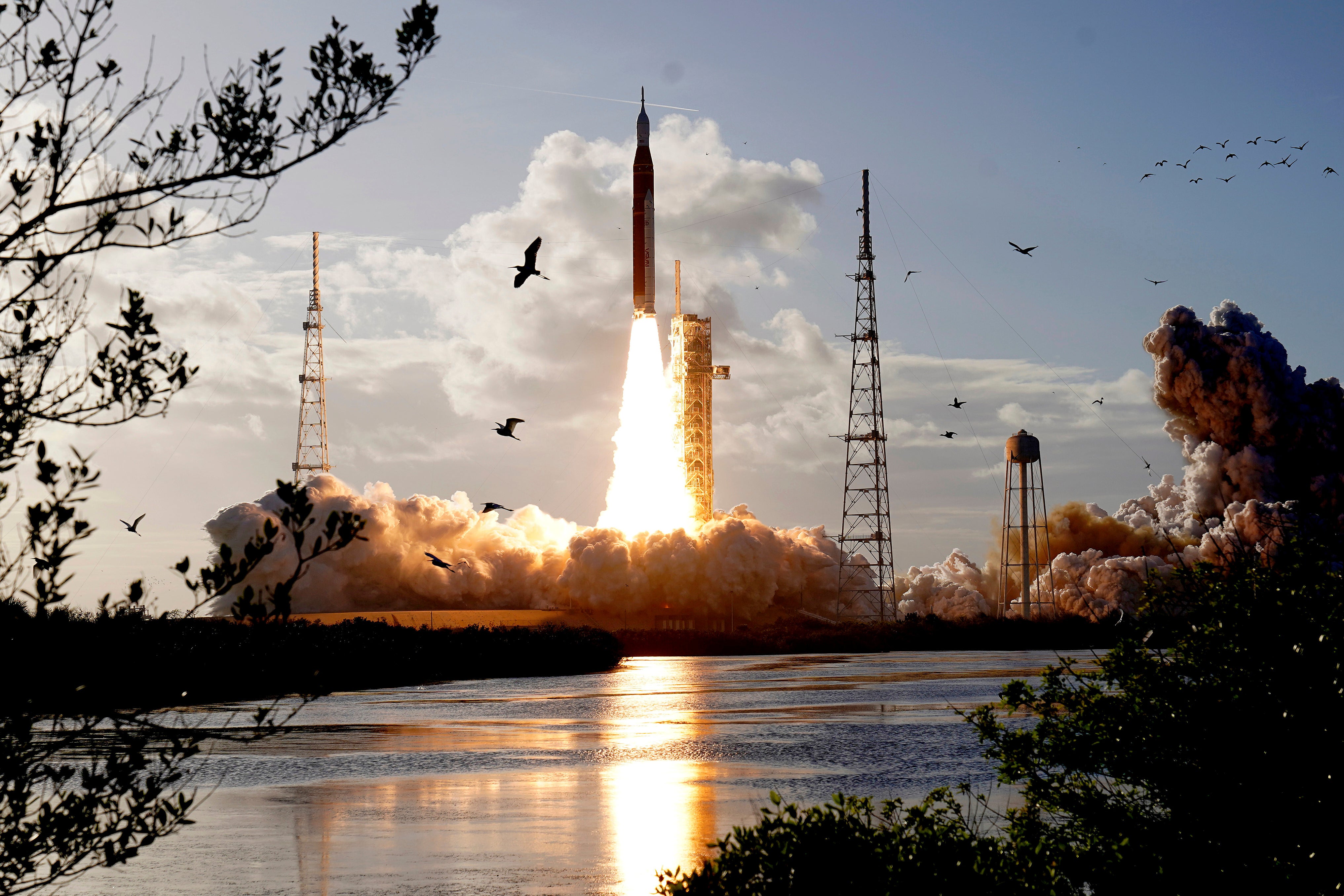
The crew of three Americans and one Canadian launched from Cape Canaveral in Florida on Wednesday evening. Earlier in the day, they successfully cleared Earth’s orbit. The Orion spacecraft is now on a trajectory that will take it around the Moon and then use the natural satellite’s gravity for a “free” return journey back to Earth.
Goonhilly Earth Station, located near Helston in Cornwall, is playing a key role in tracking the flight. As the module passes about 4,000 miles beyond the far side of the Moon, the crew will experience a period of communication blackout with Earth lasting approximately 40 minutes.
The Artemis II mission is focused on testing technologies essential for long-term lunar exploration and future manned missions to Mars. One of the tasks carried out by the astronauts has been measuring how loud the toilet was after previous issues were resolved.
At a recent news conference, Lakiesha Hawkins, NASA’s acting deputy associate administrator for exploration systems development, provided an update on the mission. She said, “The mission continues to perform well overall, and the crew is in great spirits. Currently, the crew is more than 100,000 miles from the Earth and about 150,000 miles to go away from the Moon.”
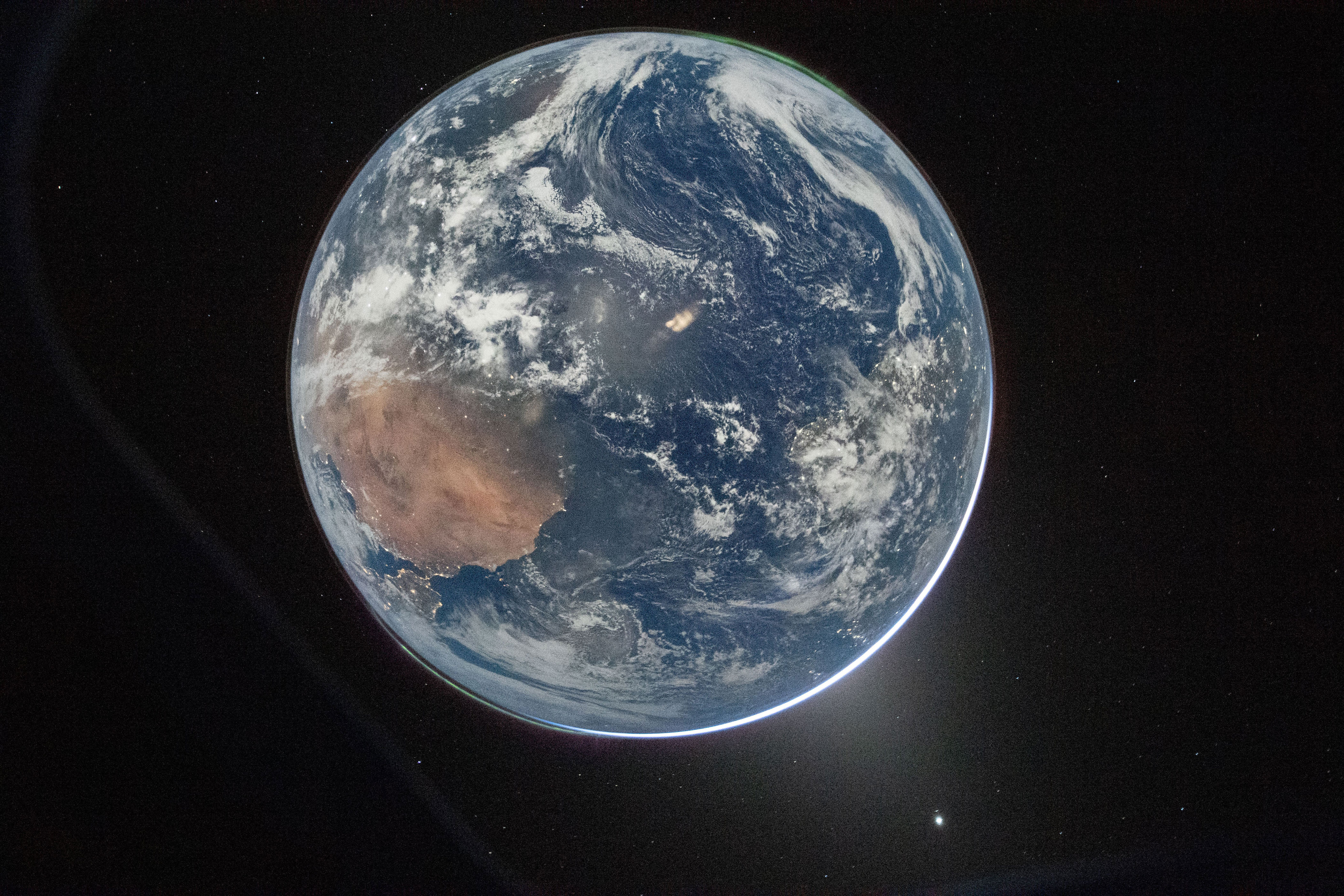
Hawkins also referred to a stunning image of Earth taken from the capsule by mission commander Reid Wiseman. She remarked, “It’s great to think that, with the exception of our four friends, all of us are represented in this image.” She added, “We continue to learn all about our spacecraft as we operate in deep space with crew for the first time, and it’s important to remind ourselves of that as we learn a little bit more day by day.”
Judd Frieling, Artemis II ascent flight director, outlined the crew’s activities. He explained, “This morning, when the crew woke up, they had their normal planning conferences, and then they were able to do their family conferences so they have talked to their families. And they also did another noise characterisation of how loud the toilet was. So we performed that.”

Howard Hu, Orion programme manager, highlighted the significance of the test flight. He stated, “When we talk about wanting to have a Moon base, wanting to have people on the surface of the Moon or other planets, you need a way to transport people safely to that particular domain. To me, it’s very important that we do everything we can to understand and provide that capability in a robust and reliable way. You have to walk before you can run, and I think this is very important in our step towards exploration.”
Although the astronauts will not land on the Moon during this mission, Artemis II is paving the way for future lunar landings and laying the groundwork for sending a crew to Mars. The mission faced delays earlier due to hydrogen fuel leaks and clogged helium lines.
The last time NASA sent astronauts to the Moon was during the Apollo 17 mission in 1972. The agency aims to return a crew to the lunar surface by 2028, with China targeting a similar goal around 2030.









Discussion about this post