


U.S. Federal Reserve’s Approach to Inflation and Energy Prices
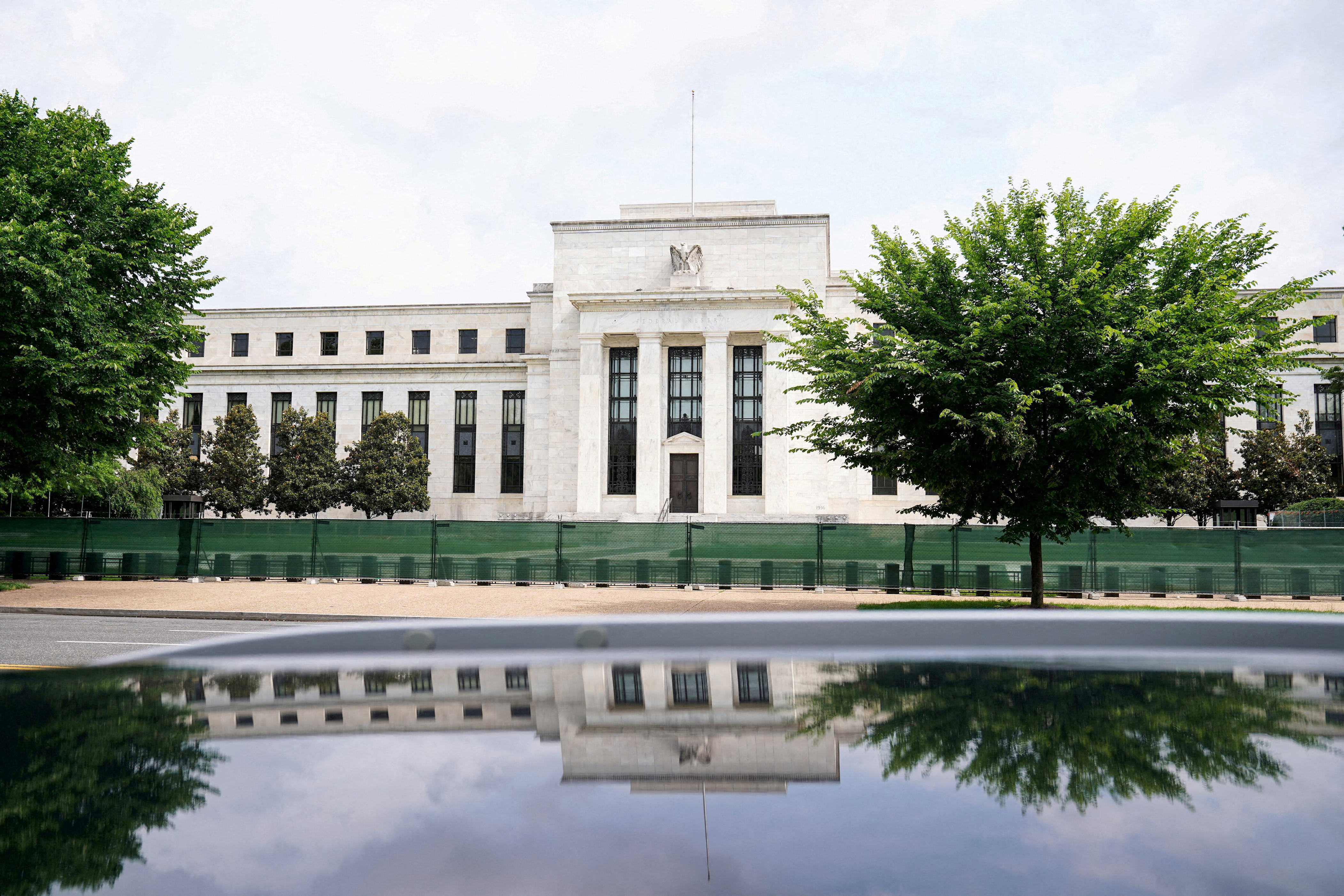
Jerome Powell, the chairman of the U.S. central bank, the Federal Reserve, has expressed a cautious stance on interest rate adjustments in light of rising inflation caused by increased international oil prices due to the ongoing conflict in Iran. Instead of making immediate changes to monetary policy, the Federal Reserve has opted to closely monitor the situation and respond as needed. This decision suggests that the central bank is not planning to alter its current policies at this time.
Powell emphasized that while the surge in energy prices is expected to contribute to higher inflation, the precise economic impact of the Iran war remains uncertain. He noted that the Federal Reserve is currently maintaining its benchmark interest rate within an annual range of 3.50–3.75%, which it had previously frozen in mid-month.
During an introductory economics class at Harvard University on the 30th (local time), Powell stated, “The current Federal Reserve monetary policy is at a level suitable for observing the impact of the Iran war on the economy.” He also highlighted that while energy supply shocks could lead to higher overall inflation, such shocks typically have a short-lived effect. By the time the effects of tightening monetary policy are felt, the oil price shock may have already subsided.
Powell added, “In such a case, it would mean suppressing the economy at an inappropriate time,” and explained that the Federal Reserve generally tends to look through any kind of supply shock. However, he acknowledged that if the Iran war continues for an extended period, inflation could become more difficult to control. The Wall Street Journal reported that Powell warned the Federal Reserve cannot take inflation for granted and that patience has its limits.
Monitoring Private Loans and Systemic Risks
In response to questions about the risks associated with private loans, Powell stated that the Federal Reserve is examining potential links between these loans and the banking system that could lead to contagion. He mentioned that as of now, no visible connections exist that could cause widespread systemic issues. Additionally, he noted that adjustments are being made, and there are no indicators suggesting a more significant systemic event.
Powell also emphasized that the Federal Reserve is monitoring this issue very carefully, given investor concerns. He mentioned that the central bank regularly communicates with industry officials to stay informed. Bloomberg reported that Powell appears confident about the risks posed by private loans.

Market Reactions and Economic Outlook
Following Powell’s remarks, investor concerns about potential interest rate hikes were eased, leading to reduced losses in the New York stock market. The Dow average even showed a slight upward trend. In addition, the yield on U.S. 10-year government bonds declined after his statements.
Additional Information
For those interested in accessing a wide range of publications, there are various membership options available. One option offers a 5900 won membership, with a discounted rate of 2900 won for newspaper readers. Another membership provides access to 8 different newspapers and magazines worth up to 55000 won. Subscribers can also receive 7000 points that can be used like cash for shopping.








Discussion about this post